


Few things are as disheartening as pulling a favourite leather jacket out of the wardrobe and finding a dusty white or green bloom spreading across the shoulders. It looks alarming, it smells musty, and your first instinct is to fear the jacket is ruined. In almost every case it is not. Mould on a leather jacket is a surface problem far more often than a deep one, and with a soft cloth, a mild solution and a little patience you can bring the leather back to life. This guide explains why leather grows mould in the first place, how to remove it safely without stripping the colour, and, most importantly, how to store the jacket so the mould never returns.
Mould on leather is almost always a storage problem wearing a disguise. Fix the air and the moisture, and you fix the jacket.
Can a Leather Jacket Really Grow Mould?
Yes, and it is worth understanding why so the fix makes sense. Leather is skin: a natural, porous material that was once alive, and it never fully stops reacting to its surroundings. Its pores hold humidity, and the oils, waxes and conditioners used to finish and protect it are exactly the kind of organic food that mould spores thrive on. Spores drift through the air everywhere, harmlessly, until they land somewhere warm, damp and still. A leather jacket left in that environment becomes a feast.
That is why mould shows up on leather far more than on synthetic fabrics. The bloom you see, usually a powdery white, grey or greenish film, is a colony of spores that has taken hold on the surface finish. Because it starts on top of the leather rather than inside it, early mould wipes away cleanly. Left for weeks or months, it can work into the grain and leave a mark, which is why speed matters so much.
Why Does a Leather Jacket Grow Mould in the First Place?
Mould needs three things: moisture, warmth and still air. Remove any one of them and it cannot survive. A leather jacket usually grows mould because all three quietly come together in storage:
- Trapped damp. Putting a jacket away even slightly damp, after rain or a sweaty day, seals moisture into the leather.
- No airflow. A tightly packed wardrobe or a sealed plastic garment bag stops the leather breathing, so moisture never escapes.
- High humidity. Basements, lofts, garages and rooms against cold outside walls hold damp air that leather soaks up.
- Leftover residue. Body oils, sweat and old conditioner on the surface give spores something to eat.
Notice that none of these is really about the jacket itself. They are all about where and how it is kept. This is the key insight for anyone whose jacket keeps growing mould: the visible patch is a symptom, and the environment is the cause. A genuinely well made leather jacket, like the Buneri Black Leather Biker Jacket with Motorsport Logos, will give you decades of wear, but only if it is dried and aired between wears rather than shut away wet.
What You Will Need
Before you start, gather a few simple things. You almost certainly have most of them already:
- Two soft, clean, lint-free cloths (microfibre is ideal)
- White vinegar or a mild pH-neutral soap
- Lukewarm water
- A soft brush or an old, clean toothbrush
- A dust mask, ideally, and a well ventilated space
- Leather conditioner or cream for the final step
Work outdoors or by an open window if you can. Mould releases spores when disturbed, and you do not want to breathe them in or scatter them across the rest of your wardrobe.
How to Remove Mould from a Leather Jacket, Step by Step
Take it slowly and gently. Leather responds much better to patience than to scrubbing.
1. Brush off the loose mould outside
Take the jacket outdoors first. Using a soft dry brush or cloth, gently wipe away the surface bloom. Doing this outside means the loosened spores blow away instead of settling back into your home. Do not press hard; you are lifting the powder off, not grinding it in.
2. Wipe with a diluted vinegar solution
Mix equal parts white vinegar and lukewarm water. Dampen a cloth, wring it out well so it is barely moist, and wipe the affected areas. The mild acid in vinegar kills many spores and lifts residue without bleaching the colour. Never soak the leather; a damp cloth is all you need. Test on a hidden area, such as an inside hem, before treating a visible panel.
3. Clean with mild soap if needed
For stubborn patches, add a drop of pH-neutral soap to lukewarm water, work up a light lather on your cloth, and wipe gently. Follow with a clean cloth wrung out in plain water to remove any soap. A padded jacket needs the same care taken evenly across the surface, so treat a piece like the Buneri Women’s Black Real Leather Puffer Bomber Jacket panel by panel rather than rubbing at one spot.
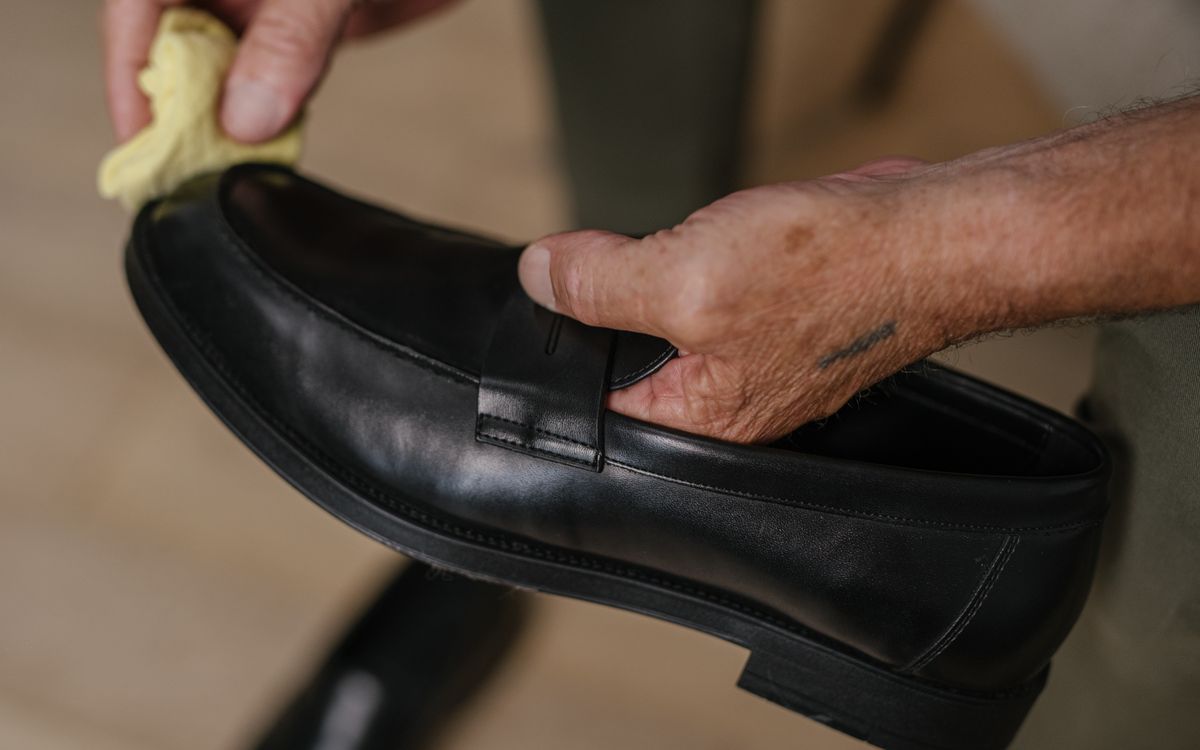
4. Let it dry naturally
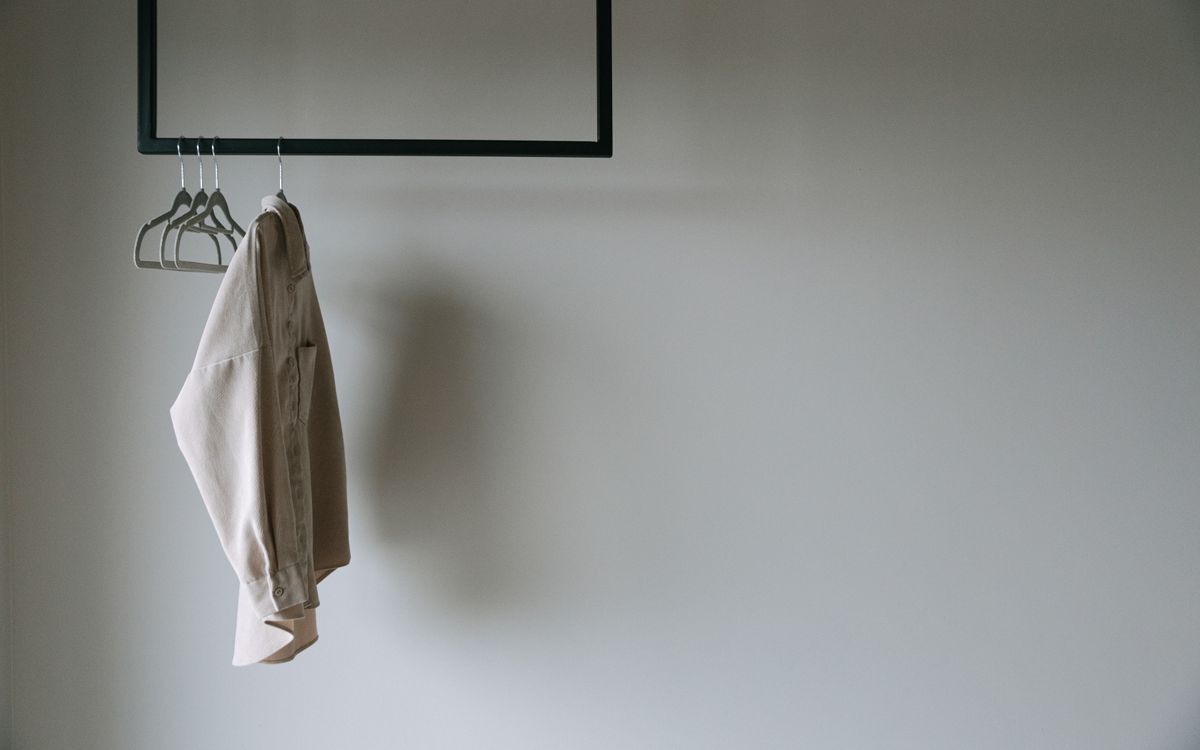
Hang the jacket on a broad, shaped hanger in a warm, airy spot out of direct sunlight and away from radiators. Direct heat and strong sun both dry leather too fast and can crack or fade it. Let the jacket dry fully, which may take a day, before you go anywhere near the wardrobe again.
5. Condition the leather
Cleaning removes natural oils along with the mould, so the final step is to feed the leather back. Apply a small amount of leather conditioner or cream with a clean cloth, working it in with light circular strokes, then buff gently. This restores suppleness, revives the colour and leaves a protective layer that makes it harder for new spores to settle. A sheepskin or shearling piece such as the Black Men’s Quilted Sheepskin Leather Jacket benefits from an airing and a light conditioning at the end of each season.
Dealing with the Musty Smell
Even after the mould is gone, a musty smell can linger. Do not reach for perfume to mask it. Instead, hang the jacket outside in fresh, moving air (shade, not direct sun) for a few hours. For a stronger smell, seal the jacket loosely in a breathable cotton bag with an open tub of bicarbonate of soda nearby overnight; the powder absorbs odours without touching the leather. Repeat if needed. Fresh air is the single most effective deodoriser leather has.
How to Stop Mould Coming Back: A Storage Checklist
This is the part that actually solves the problem for good. Removing mould once is easy; keeping it away is about how you store the jacket. Run through this list:
- Never put a jacket away damp. After rain or heavy wear, let it dry fully at room temperature before storing.
- Let it breathe. Store leather in a breathable cotton garment bag, never in sealed plastic, which traps moisture.
- Give it space. Leave a gap between garments in the wardrobe so air can move around the leather.
- Use a broad hanger. A shaped or padded hanger keeps the shoulders in form and holds the jacket open to the air.
- Watch the humidity. Avoid basements, lofts and damp corners. In a humid climate, a small wardrobe dehumidifier or a few silica gel packs make a real difference.
- Keep it off cold walls. Condensation forms where warm air meets a cold outside wall, so hang jackets clear of them.
- Air it now and then. Take leather out a few times a season, wipe it down and let it hang in the open for an hour.
Do these and mould simply runs out of the conditions it needs.
When to Call a Professional
Most mould is a home job, but know your limits. If the bloom has spread deep into the grain, if there is heavy staining or discolouration under the mould, or if the lining is affected and smells strongly, a professional leather cleaner has the tools and solvents to treat it without harming the hide. It is money well spent on a jacket you love, and far cheaper than a replacement.
The Bottom Line
Mould on a leather jacket looks like a disaster and is usually anything but. Catch it early, take the jacket outside, brush off the bloom, wipe it down with a diluted vinegar solution, dry it slowly and condition the leather, and it will almost always come back looking like itself again. Then fix the real culprit, which is nearly always storage: dry the jacket before you put it away, let it breathe, and keep the humidity down. Do that and your leather will outlast trend after trend, mould free, for years to come.
Frequently Asked Questions
Can leather jackets grow mould?
Yes, leather jackets can grow mould, and it happens more often than people expect. Leather is a natural material with tiny pores that hold moisture, and it is usually finished with oils and waxes that mould spores feed on happily. Add a warm, still, humid spot such as a packed wardrobe, a basement or a sealed plastic bag, and you have the perfect conditions for a fuzzy white or green bloom to appear. The good news is that surface mould on leather is almost always fixable if you catch it early, because it tends to sit on the finish rather than eat deep into the hide.
Why does my leather jacket keep growing mould?
A leather jacket keeps growing mould for one reason above all others: trapped moisture with no airflow. If you hang a slightly damp jacket in a dark wardrobe, store it in a plastic cover, keep it in a humid room, or push it against a cold outside wall where condensation forms, spores will settle and multiply. Body oils and old conditioner left on the surface give them something to eat. Fix the environment, not just the visible patch, or it will simply return. Dry the jacket fully, let it breathe, drop the humidity and clean off any residue, and the mould loses its foothold.
Does vinegar remove mould from leather?
Yes, a diluted white vinegar solution is one of the safest home treatments for mould on leather. Mix equal parts white vinegar and water, dampen a soft cloth (never soak the leather), and wipe the affected area gently. The mild acid kills many mould spores and lifts the residue without stripping the colour the way bleach or harsh cleaners would. Always test on a hidden spot first, wipe away the vinegar with a barely damp clean cloth afterwards, let the jacket dry naturally, then condition the leather so it does not dry out.
Will mould leave a permanent stain on a leather jacket?
Sometimes, but often not. If you remove the mould quickly while it is still surface growth, the leather usually recovers with no lasting mark once it is cleaned and conditioned. Deeper or older mould that has been left for weeks can leave a faint discolouration or a musty smell that takes more work to shift, and very neglected cases may need a professional leather cleaner. The single biggest factor is time: the sooner you act, the more likely your jacket comes back looking like new.