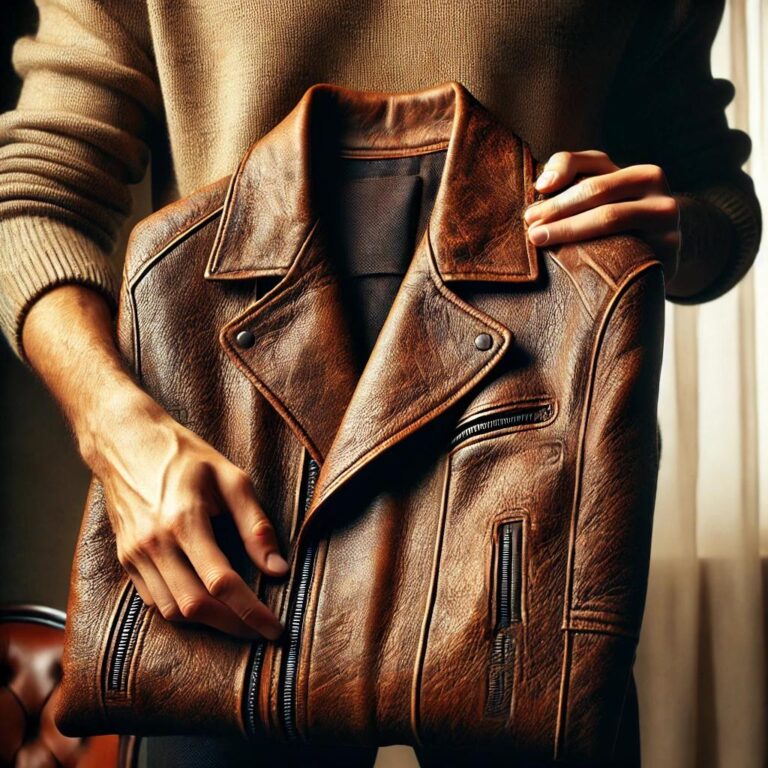


You pull your favourite leather jacket out of the wardrobe, and there it is: a stubborn crease across the sleeve, a fold pressed into the back, a jacket that looks slept in rather than sharp. The first instinct for many people is to reach for the iron, the same tool that fixes a wrinkled shirt in seconds. With leather, that instinct can be an expensive mistake. Leather is not cotton, it reacts to heat in its own way, and the wrong approach leaves a permanent scar rather than a fresh finish. The good news is that almost every wrinkle in a leather jacket can be removed safely, often without an iron at all. This guide explains whether you can iron a leather jacket, how to do it if you really must, and the gentler methods that professionals reach for first.
Leather forgives a little warmth and hates a lot of heat. Coax the creases out slowly and the jacket rewards you. Rush it with a hot iron and the damage is permanent.
Can You Iron a Leather Jacket? The Honest Answer
Yes, technically you can iron a leather jacket, but you should treat it as a genuine last resort rather than a first move. A standard iron runs far hotter than leather can handle, and pressing that heat directly onto the grain melts surface coatings, flattens the natural texture into a plastic looking shine, and can crack or stiffen the hide beyond repair. Real leather has natural oils and moisture in it, and blasting those out with a hot plate dries the material and shortens its life.
So the honest answer is that ironing is possible but risky, and it is almost never the best tool for the job. Before you even think about an iron, you have gentler options that relax creases without any of the danger. If none of those work and you still want to try an iron, there is a careful method further down this guide that keeps the risk as low as possible. Start soft, escalate slowly, and only ever use direct heat as the final step.
Why Leather Creases and Wrinkles in the First Place
Understanding why leather wrinkles helps you remove the creases and stop them coming back. Leather is a natural hide, so it bends and folds wherever your body moves. The elbows, the inner arms and the small of the back crease first because that is where the jacket flexes every time you sit, drive or reach. These soft creases are normal and part of how a leather jacket ages into something with character.
Other wrinkles are less welcome. A jacket folded into a drawer or crammed into a packed wardrobe develops sharp fold lines. A jacket that gets caught in the rain and then dries while bunched up sets those creases as it dries. And a heavy jacket hung on a thin wire hanger slowly distorts at the shoulders and collar. The question many owners ask, what to do with a creased leather jacket, almost always has the same answer: relax the fibres with a little warmth and moisture, then let gravity and time do the rest.
The Safest Way to Remove Wrinkles: Steam and Gravity
If you only remember one method from this guide, make it this one, because it is the safest and it works on the vast majority of creases. Steam relaxes the fibres in the leather just enough for the weight of the jacket to pull the wrinkles out on its own.
Start by hanging the jacket on a broad wooden or padded hanger so the shoulders are fully supported. Take it into the bathroom, close the door, and run a hot shower for a few minutes so the room fills with warm, damp air. Leave the jacket hanging in that steam for fifteen to twenty minutes. You are not trying to soak it, only to surround it with humidity. As the fibres warm and relax, most creases begin to fall out under the jacket’s own weight. Gently smooth each panel with your hands, paying attention to the sleeves and the back, then leave the jacket to hang overnight in a well ventilated room so it dries flat and settles into shape.
A classic, structured piece like the B-3 Flight Aviator Leather Jacket responds beautifully to this treatment, because the heavier the hide, the more its own weight helps drag the creases out as it warms.
Using a Garment Steamer the Right Way
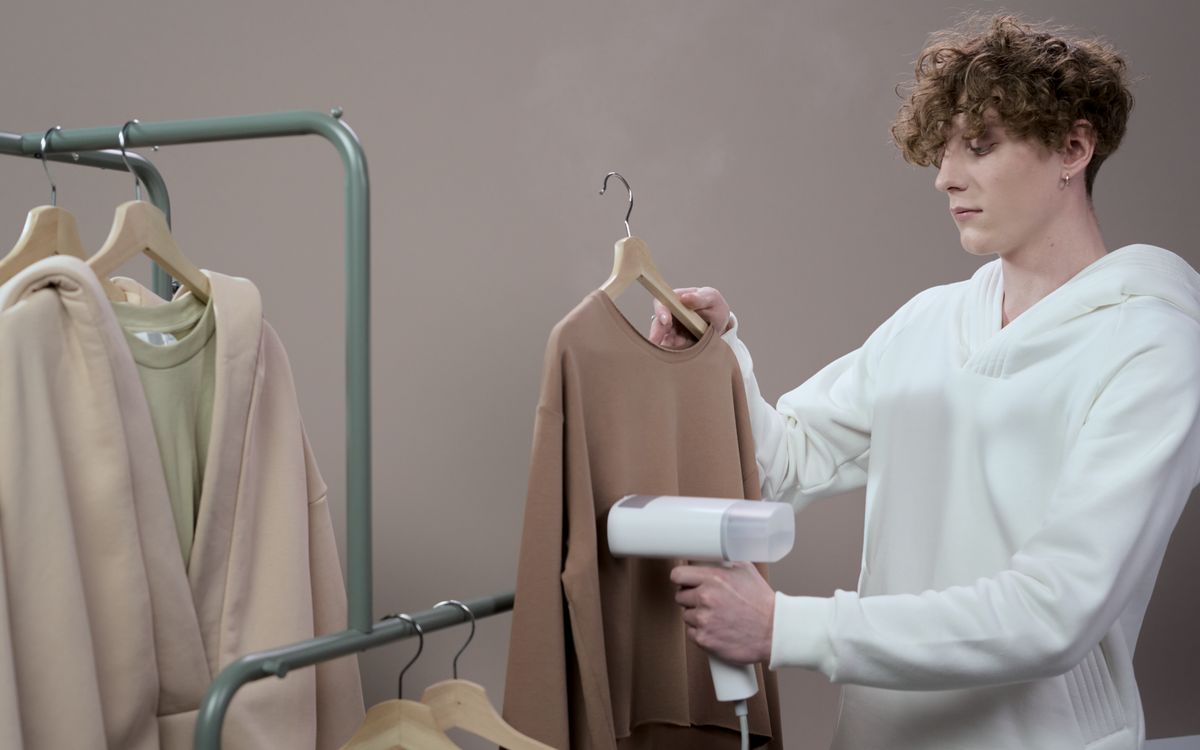
A handheld garment steamer does the same job as the bathroom method but faster and with more control, which is why it is the tool most people reach for once they own one. The single rule that matters is this: the steamer must never touch the leather. Hold the head twenty to thirty centimetres away and let the warm vapour drift onto the surface while you keep the steamer moving in slow passes. The leather should feel warm and very slightly humid, never wet.
Work one section at a time, smoothing each panel with your free hand as the fibres relax. Steam the inside of the sleeves and the back panel where creases gather most. When you are done, wipe away any surface moisture with a dry, soft cloth and hang the jacket to finish drying naturally. Once it is completely dry, a thin layer of leather conditioner restores the oils and keeps the hide supple, which also makes it more resistant to creasing next time.
Can You Use an Actual Iron on Leather? Do It Like This
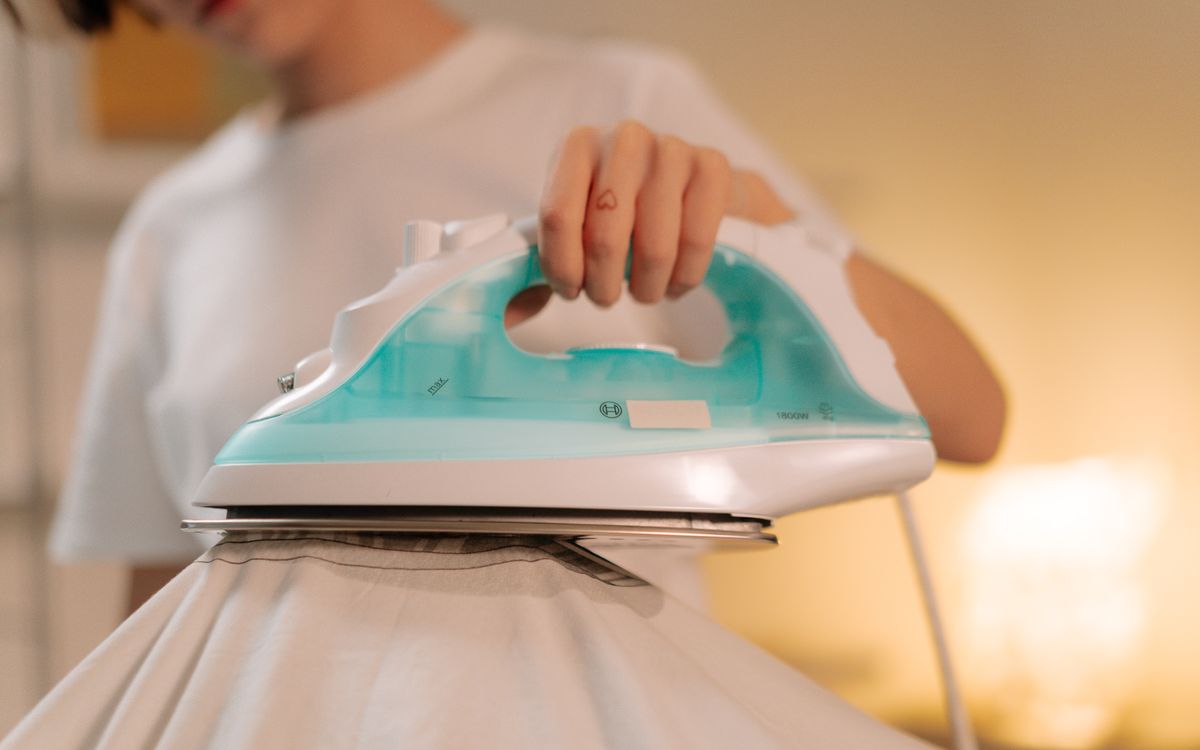
If steam has not shifted a deep, stubborn crease and you have decided to try an iron, follow this method exactly, because it is designed to keep heat away from the delicate surface of the hide. This is the careful answer to the common question of how to iron a leather jacket without wrecking it.
First, turn the jacket completely inside out so you are working on the lining, not the leather. Set the iron to its lowest heat setting and switch the steam function off, because you want dry, gentle warmth only. Lay a thick cotton cloth, a clean pillowcase or a sheet of plain brown paper over the area you want to smooth, so the iron never touches the fabric directly. Press lightly, keep the iron moving in short passes, and lift it every few seconds rather than letting it rest in one place. Check your progress often. The heat travels gently through to the leather and relaxes the crease from the reverse without ever scorching the grain. Never iron the outer leather surface directly, even through a cloth, if you can possibly avoid it.
A slim, fashion cut jacket such as the Baby Pink Classic Motorcycle Leather Jacket has thinner panels and a coloured finish, so it is exactly the kind of jacket where you should stick to steam and only ever iron from the lining side with a cloth barrier.
No Heat Methods That Also Work
Sometimes the simplest fix needs no heat at all. For light creasing, just hanging the jacket properly for a day or two often solves the problem. Use a broad, shaped hanger, give the jacket room to breathe rather than squashing it between other clothes, and let gravity ease the folds out.
Leather conditioner is another quiet hero. Rubbing a small amount of conditioner or a dedicated leather cream into a creased area softens the fibres and helps them relax back into place, while also feeding the hide so it stays flexible. For a flat crease on a panel you can lay the jacket on a firm surface, place a soft cloth over the area and rest a gentle, even weight such as a stack of books on top overnight. The steady pressure coaxes the fold flat without any risk of heat damage.
A heavily detailed jacket like the Black Embellished Studded Biker Leather Jacket is a good example of when to skip the iron entirely, because hardware and studs can be scratched or loosened by pressing, so hanging, conditioning and gentle weight are the smart choices.
What to Avoid at All Costs
A few mistakes turn a small crease into permanent damage, so keep this short list in mind. Never press a hot iron straight onto the leather surface. Never use the steam or high setting of an iron directly on the hide. Do not use a hairdryer on full heat held close to the leather, because concentrated hot air dries and cracks it just as an iron does. Keep the jacket away from radiators, heaters and direct sun as a drying shortcut, since fast drying stiffens leather. And never soak the jacket to relax it, because water that saturates leather can stain it and leave it hard once it dries.
A Step by Step Wrinkle Removal Checklist
- Hang the jacket on a broad wooden or padded hanger and inspect where the creases sit.
- Try the bathroom steam method first: hot shower, closed door, fifteen to twenty minutes.
- For faster control, use a handheld steamer held well away from the surface, never touching it.
- Smooth each panel by hand as the fibres relax, working the sleeves and back.
- For stubborn creases, rub in a little leather conditioner and smooth again.
- Only if all else fails, iron from the lining side, lowest heat, no steam, cloth barrier, iron moving.
- Wipe off any surface moisture, then hang the jacket overnight to dry naturally and flat.
- Once fully dry, condition the leather to keep it supple and crease resistant.
How to Stop Wrinkles Coming Back
Prevention is easier than any repair. Always store a leather jacket on a broad, shaped hanger that supports the shoulders, never on a thin wire one and never folded for long periods. Give it space in the wardrobe so it is not crushed against other clothes. If a jacket gets wet, hang it to dry naturally and reshape it by hand while it is still slightly damp. Condition the leather two or three times a year to keep the oils topped up, because supple leather creases far less than dry leather. Treat it well between wears and you will rarely need to remove a wrinkle at all.
Conclusion
So, can you iron a leather jacket? You can, but you almost never should, at least not the way you iron a shirt. Direct heat is the one thing leather cannot forgive, while gentle warmth, steam and patience remove nearly every crease without any risk. Start with the bathroom steam trick or a handheld steamer, reach for conditioner and gentle weight for stubborn folds, and keep the iron as a careful last resort used only from the lining side with a cloth barrier. Store the jacket properly afterwards and it will hang smooth and sharp for years, ageing into the kind of piece that looks better the longer you own it.
Frequently Asked Questions
Can you iron a leather jacket?
You can, but only with great care, and a household iron pressed straight onto the leather is the fastest way to ruin it. Direct high heat scorches the surface, melts any coating, leaves a permanent shine and can crack the grain. If you decide to iron a leather jacket at all, turn it inside out and press the lining, set the iron to its lowest setting with no steam, place a thick cloth or a sheet of brown paper between the iron and the fabric, and keep the iron moving in short passes rather than resting it in one spot. For the leather itself, steam and hanging are far safer than any iron, so try those first and treat ironing as a last resort.
How do I get creases out of a leather jacket without an iron?
The gentlest method is steam. Hang the jacket on a broad wooden or padded hanger, take it into the bathroom, run a hot shower with the door closed, and let the warm damp air fill the room for fifteen to twenty minutes. The moisture relaxes the fibres and lets gravity pull most creases out on its own. A handheld garment steamer held twenty to thirty centimetres away, never touching the leather, does the same job faster. Finish by smoothing the panels with your hands and leaving the jacket to hang overnight so it dries flat and holds its shape.
Why does my leather jacket get wrinkled and creased?
Leather is a natural material, so it flexes and folds where your body moves, which is why elbows, the inner arms and the lower back crease first. Wrinkles also appear when a jacket is folded or crammed into a drawer or a tight wardrobe for a long time, when it gets wet and dries in a bunched position, or when it is stored on a thin wire hanger that cannot support its weight. Most of these creases are cosmetic and relax out with a little warmth and hanging time. Deep folds left for months are harder to remove but usually improve with steam and patient smoothing.
Does steam damage a leather jacket?
Gentle steam from a distance does not damage good leather and is one of the safest ways to relax creases, but soaking the leather does. Keep any steamer moving and hold it well away from the surface so the leather only feels warm and slightly humid, never wet. Never press a steaming plate against the hide, and never let water pool on it. After steaming, wipe off any surface moisture with a dry cloth, let the jacket dry naturally away from radiators and sun, and once it is fully dry a little conditioner keeps the leather supple.