
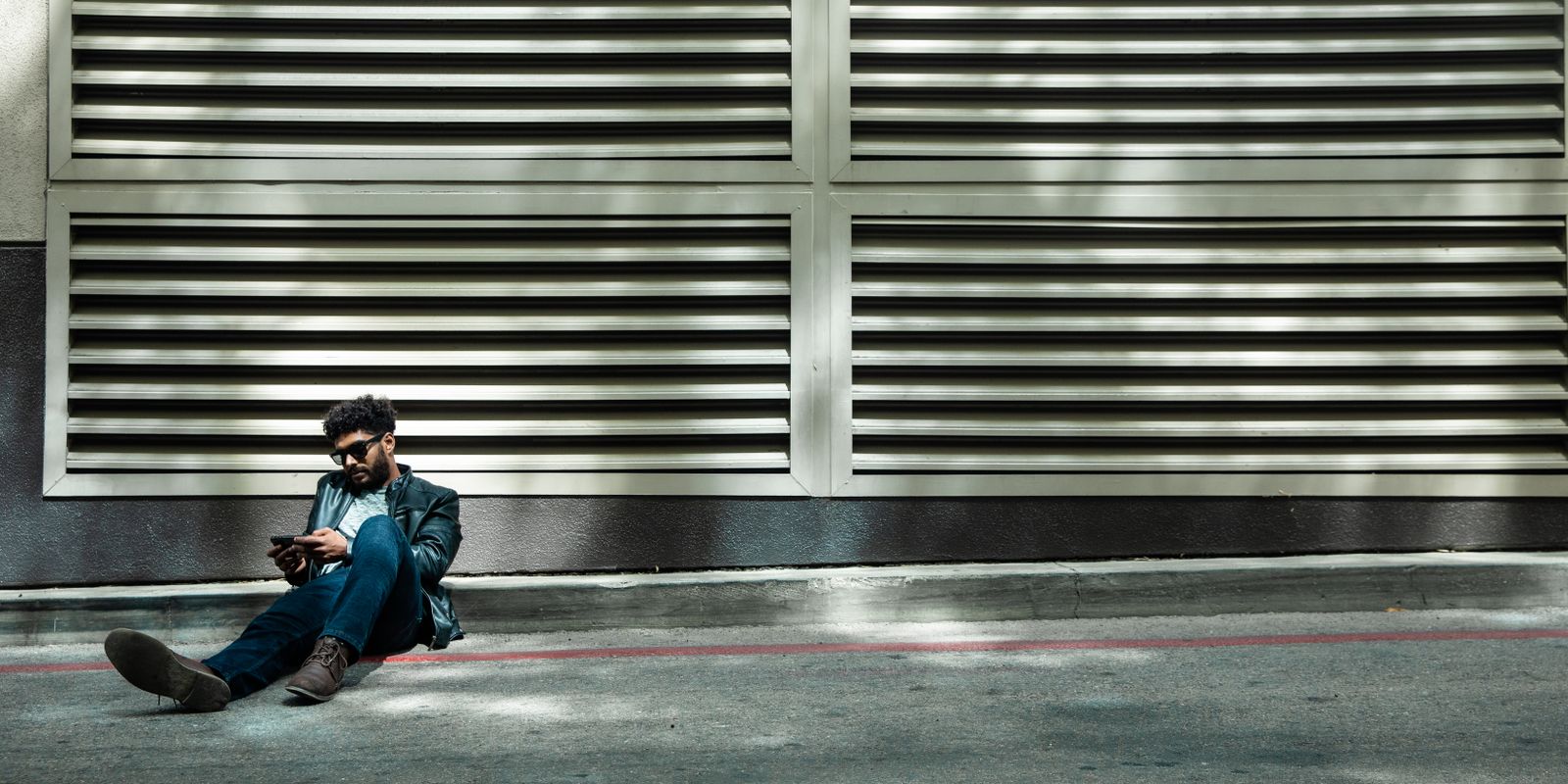
A leather jacket is one of the few pieces that can carry an entire outfit on its own, which is exactly why it is so easy to get wrong. The jacket is rarely the problem. What lets people down is everything they put around it: the wrong fabric underneath, a colour that fights the leather, a second leather piece that tips the whole thing into costume territory, or a jacket left open when it should be closed. Get those choices right and a simple tee and jeans look considered. Get them wrong and even the best leather looks like an afterthought. This guide walks through what not to wear with a leather jacket, why each mistake happens, and the easy fix for every one.
A leather jacket does not need help competing. Your job is to give it room, not to pile more on top.
The Golden Rule: Let the Leather Lead
Before the specific mistakes, hold on to one idea. A leather jacket is a statement piece. It has weight, sheen and a strong silhouette, and it naturally pulls the eye. The moment you add a second thing that shouts just as loud, the outfit starts to argue with itself. Everything below comes back to this: choose supporting pieces, not competing ones. Plain fabrics, honest colours and clean lines let a good jacket do what it does best.
That is why a genuinely well cut jacket is worth building around. A piece like the Blake Bomber Leather Jacket has enough presence on its own that it only needs a plain top and good jeans to look finished. Trust it, and resist the urge to decorate.
Mistake 1: The Head to Toe Leather Look
The most common trap is leather on leather, and its most extreme form is a leather jacket worn with leather trousers. On paper it sounds cohesive. In reality a total leather look reads as a costume, because the eye sees one continuous slab of the same material with no relief. The same thing happens with a leather jacket over a leather skirt, or piled on top of leather boots, gloves and a leather cap all at once.
The fix is contrast, not avoidance. If you love the idea of leather with leather, change the texture and the tone: a smooth jacket over matte or suede trousers in a different shade, always broken up by a soft layer in between such as a cotton tee or a fine knit. That gap of ordinary fabric is what stops the outfit reading as a single block and keeps it looking deliberate.
Mistake 2: Shiny Synthetic Fabrics That Clash
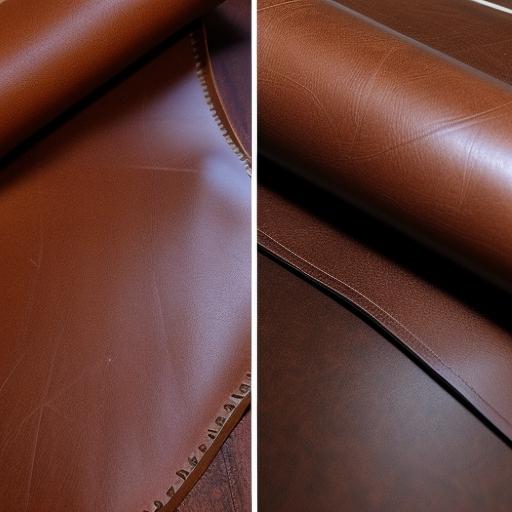
Leather has a natural, slightly irregular grain and a soft depth to its finish. Put it next to a cheap, high shine synthetic and the contrast flatters neither. Glossy polyester shirts, plastic looking trousers and slippery man made linings sit awkwardly against real hide because they reflect light in a hard, flat way that leather never does.
Reach instead for natural, matte materials that share the leather’s honesty. Cotton, denim, wool, fine cotton knit and brushed jersey all sit beautifully under a jacket. A quilted leather piece like the Black Quilted Bomber Leather Jacket already has texture built into its panels, so it wants a plain, matte layer underneath rather than anything busy or reflective competing with the stitching.
Mistake 3: Clashing and Over Bright Colours
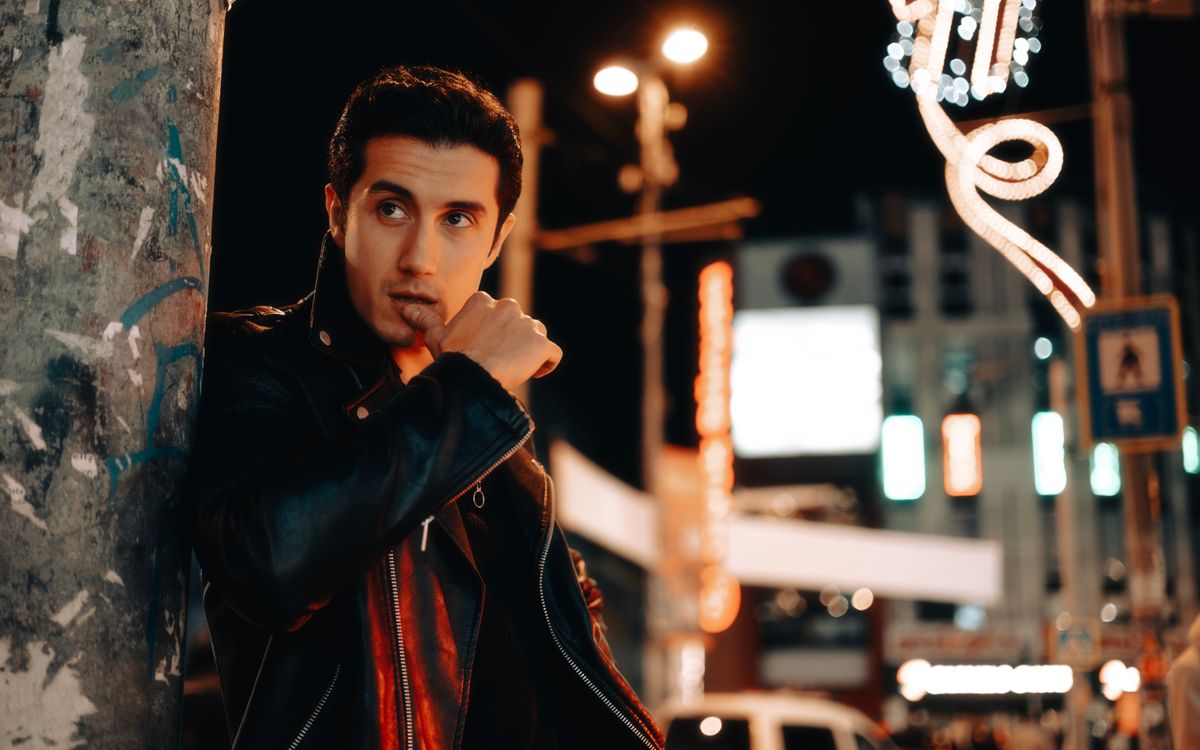
A leather jacket, especially in black or brown, is essentially a neutral, and neutrals are generous. The problem starts when you surround them with colours that pull hard in the opposite direction. A very bright, saturated top in a synthetic sheen under a matte jacket, or two or three loud colours all fighting at once, drowns the leather instead of showing it off.
You do not have to live in black. You simply want colours that support the jacket: white, grey, cream, indigo denim, olive, navy and deep burgundy all sit happily with leather and let it stay the centre of the outfit. If you want a brighter accent, keep it to one piece and one colour, and let everything else stay calm.
Mistake 4: Fit Problems, Both Ways
Fit undoes more leather outfits than colour ever will. Two opposite errors do the damage. The first is drowning the jacket in oversized, baggy layers underneath, so its shape disappears and it bunches at the shoulders and cuffs. The second is forcing a slim jacket over a thick chunky knit until it strains and cannot close.
Match the volume to the jacket. A fitted biker or bomber wants a slim to regular layer beneath, a plain tee or a fine knit, so the jacket keeps its line. Save the big chunky knits for a roomier coat. And check the shoulders first: a leather jacket lives or dies on the shoulder seam sitting exactly where your shoulder ends, and no styling around it can rescue a jacket that is wrong there.
Mistake 5: Treating It Like Formalwear
A leather jacket is not a blazer, and it rarely wants to behave like one. Worn over a full suit with a shirt and tie, it usually looks confused, as though two different outfits collided. The jacket has casual, rebellious roots, and it shines when the rest of the look leans that way too.
That does not mean it cannot dress up at all. A leather jacket over a fine roll neck, clean tailored trousers and smart boots is a genuinely sharp smart casual look. The line to avoid is the outright formal one: skip the tie, skip the suit trousers with a matching jacket underneath, and let the leather set a relaxed, confident tone instead.
Open or Closed: Getting It Right
One of the most common questions is whether a leather jacket should be worn open or closed, and the honest answer is that both are correct in the right moment.
- Wear it open for an easy, everyday look. An open jacket shows the layer underneath, creates two long vertical lines down your front and lengthens the whole silhouette. This suits most biker and bomber cuts thrown over a tee or a knit.
- Wear it closed, or zipped partway, when you want a cleaner, more deliberate line, when it is cold, or when the jacket has a minimal front that looks sharp fastened. A partial zip, up to the middle, is often the most flattering compromise of all.
As a rough guide, slim jackets tend to flatter worn open, while boxier or cropped shapes often look better zipped. A fur trimmed aviator style like the Asymmetrical Aviator Bomber Fur Leather Jacket looks its best zipped up so the collar frames the face, then loosened as the day warms. Try both in a mirror before you commit.
A Quick What Not to Wear Checklist
Run through this before you leave the house and you will sidestep almost every leather jacket mistake:
- No full leather blocks. If you wear leather with leather, break it up with a fabric layer and change the texture.
- No high shine synthetics. Keep what touches the jacket natural and matte: cotton, denim, wool, knit.
- No colour wars. Let the jacket sit against neutrals or one calm accent, not three bright ones.
- No baggy underlayers. Match a slim jacket with a slim layer so its shape survives.
- No straining fit. If it will not close comfortably over what you are wearing, the layer is too thick.
- No full suit and tie. Keep the mood smart casual at most, never boardroom formal.
- No heavy clumpy footwear under a slim jacket. Clean boots, trainers or ankle boots keep the balance.
Putting It All Together
The easiest way to style a leather jacket is to remember what it does not need. It does not need a second leather piece, a shiny fabric, a wall of colour, a baggy layer or a suit and tie to prove itself. Give it a plain top, honest denim or trousers, clean footwear and colours that hold back, then decide open or closed in the mirror, and the jacket will do the rest. The best leather outfits almost always look simple, and that is the whole secret: the fewer things fighting the jacket, the better it, and you, will look.
Frequently Asked Questions
What should you not wear with a leather jacket?
Avoid pairing a leather jacket with anything that fights it for attention. The biggest mistakes are a full head to toe leather look, shiny synthetic fabrics that clash with the natural grain, oversized baggy layers that hide the shape of the jacket, and formal tailoring like a suit and tie that the jacket was never built to sit over. Loud clashing colours, heavy chunky footwear that unbalances a slim jacket, and cheap glossy accessories also drag the whole outfit down. The safest approach is to let the leather be the hero and keep everything around it simple: plain cotton, denim, knitwear and clean footwear in colours that support the jacket rather than compete with it.
Can you wear leather trousers with a leather jacket?
You can, but it is the single easiest way to overdo it. A leather jacket worn with leather trousers is the classic total leather look, and unless you break it up it reads as a costume rather than an outfit. If you want to try it, change the texture and tone between the two pieces: pair a smooth black jacket with matte or suede trousers in a different shade, add a soft cotton or knit layer in between, and finish with plain footwear. That contrast stops the eye reading you as one solid block of leather and keeps the look intentional instead of theatrical.
Should a leather jacket be worn open or closed?
Both work, and the right choice depends on the cut and the moment. Wear it open for a relaxed, everyday look that shows the layer underneath and lengthens your silhouette, which suits most biker and bomber styles over a tee or knit. Wear it closed, or zipped partway, when you want a sharper, more deliberate line, in colder weather, or when the jacket has a clean minimal front that looks good fastened. As a rule, a slim jacket flatters worn open, while a boxier or cropped one often looks better zipped. Try both in the mirror before you decide.
What colours go worst with a black leather jacket?
A black leather jacket is famously easy to wear, so the problem is rarely the jacket and usually the extremes around it. The combinations that tend to jar are very shiny bright colours in a synthetic finish, muddy browns that make the black look dull rather than deliberate, and an all black outfit with no texture change, which can look flat and heavy. Black leather loves contrast and depth: white, grey, indigo denim, cream, olive and deep burgundy all lift it. If you wear black on black, vary the materials so the jacket still stands apart from everything else.