
You reach into the wardrobe for the leather jacket you have loved for years, and there they are: fine pale lines running across the elbows, a dry patch on the shoulder, maybe a proper split starting where the sleeve folds. Leather jacket cracking feels like a betrayal, because leather is meant to last. The reassuring truth is that cracking is not random bad luck and it is not the leather being cheap by nature. It is almost always dryness, heat and neglect catching up with a hide that was never fed. In this guide we look at exactly why leather jackets crack, whether the damage can be fixed once it starts, and the simple habits that keep a good jacket supple for decades rather than months.
Leather is skin, not plastic. Feed it and it stays soft for a lifetime; starve it of oil and heat will crack it in a single dry winter.
Why Do Leather Jackets Crack?
Leather begins life as animal hide, kept flexible by natural oils and moisture worked in during tanning. A jacket cracks when that moisture leaves faster than it is replaced, so the fibres stiffen, lose their give, and finally split where the leather bends most. Understanding the handful of causes makes prevention obvious.
Loss of natural oils and moisture
This is the root of almost every cracked jacket. Every time you wear, clean or simply store leather in a dry room, it loses a little oil. Nothing puts it back unless you do, so over years the hide slowly dries from supple to stiff to brittle. Creases at the elbows and shoulders go first because they flex most, which is why the earliest cracking usually appears there as fine, pale lines.
Heat, sunlight and radiators
Heat is the accelerator. A jacket left in a hot car, hung above a radiator, dried with a hairdryer or parked in a sunny window bakes the remaining oils out of the leather and can do in a week what neglect does in years. Ultraviolet light also breaks down the surface and fades the colour. Fast, direct heat is the single biggest avoidable cause of cracking.
Sweat, salt and grime
Body oils, sweat, rain and winter road salt all draw moisture out of leather and leave behind residues that dry the surface further. A collar or cuffs that meet skin most often will show wear and cracking first. Left uncleaned, that build up quietly speeds the drying process every time you wear the jacket.
Bonded and heavily coated leather
Not all leather is equal. Bonded leather and cheap “genuine leather” with a thick plastic style topcoat crack fastest, because the flexible part is only a thin skin over shredded offcuts or fabric. Once that coating dries it has nothing underneath to nourish, so it peels and flakes rather than ageing gracefully. This is the difference between a jacket that cracks and one that develops a beautiful patina.
Can You Fix a Cracked Leather Jacket?
The honest answer is that it depends on depth. Fine surface cracking can be improved a lot, while a jacket that has split right through the grain can only be tidied and slowed, not truly reversed. For light cracks, clean the leather gently, let it dry naturally, then massage a good conditioner or cream into the dry areas so the fibres soften and draw back together. For deeper lines a leather filler followed by a matching colour cream levels and hides the damage. Flaking bonded leather, sadly, has no real cure. The most reliable fix of all is the one you apply before cracking starts.
Start With Leather That Resists Cracking
The easiest way to avoid cracking is to begin with soft, full grain leather that has plenty of natural give. A supple hide flexes instead of splitting and takes conditioner readily, so it rewards a little care with years of softness. The Buneri Black Soft Leather Casual Plain Zip Jacket is a good example, with a soft, pliable finish that moves with you rather than fighting every bend.
Quality at the start pays off for the whole life of the jacket. Soft full grain leather may cost a little more than a coated bargain piece, but it stays flexible, feeds well and simply lasts, which makes it the cheaper choice measured over the years you actually wear it.

How to Prevent Leather From Cracking
Prevention is far easier and cheaper than repair, and it rests on two ideas: keep the leather fed with moisture and keep it away from harsh heat. Get those right and cracking rarely gets a foothold.
Condition the leather two to four times a year with a proper cream or balm, and more often if you wear it daily or live somewhere dry. Work a small amount in with a soft cloth, let it soak in, then buff off the excess. Wipe away sweat, rain and road salt as soon as you can, since these actively pull oils from the hide. When the jacket gets wet, never rush it dry on a radiator or with a hairdryer; let it dry slowly at room temperature, away from direct sun, and condition it once it is dry to replace what the water took.
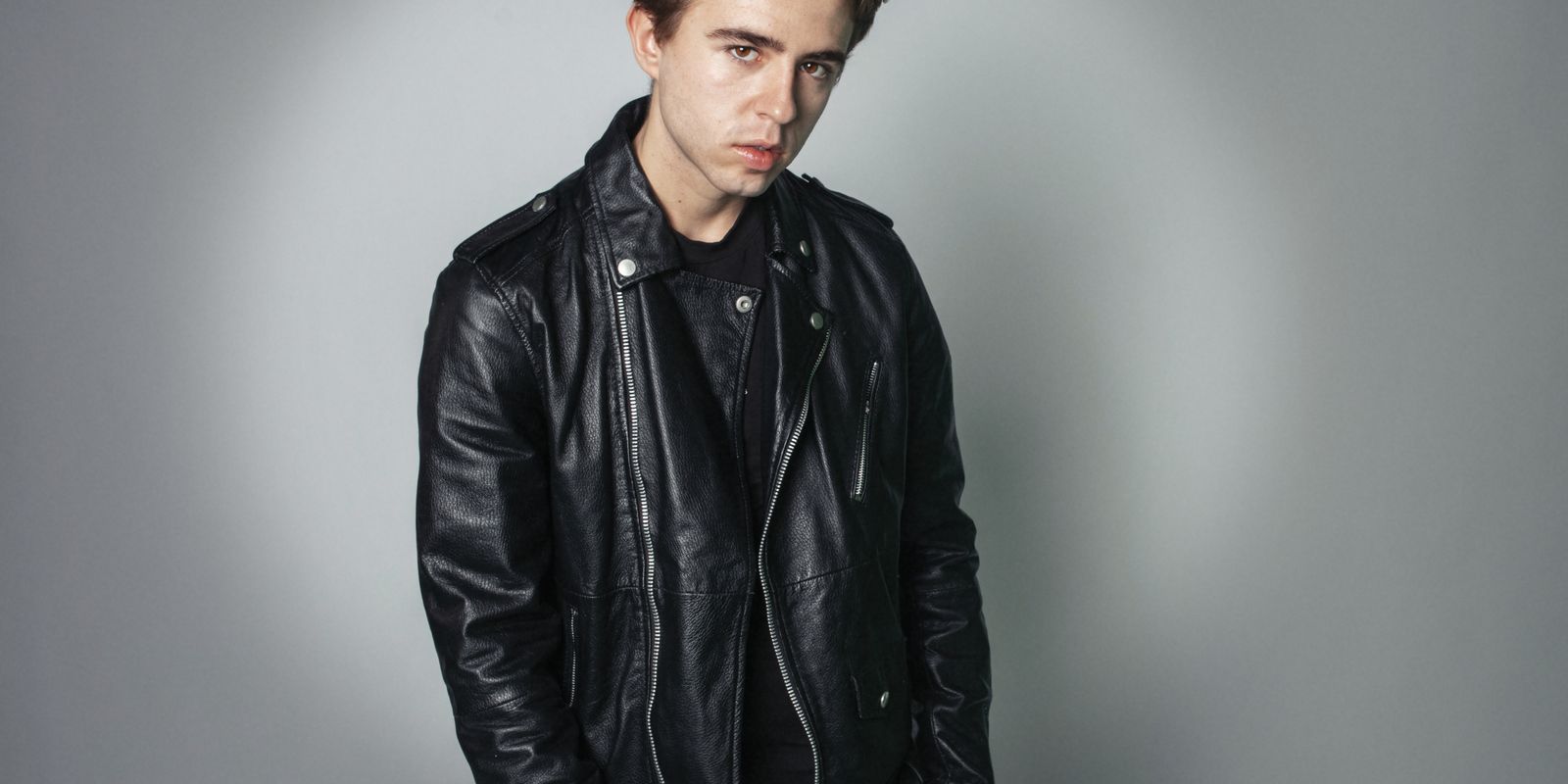
A jacket built to flex handles all of this better. The Buneri Black Soft Leather Cross Zip Biker Jacket pairs a classic biker cut with a genuinely soft hide, so the leather bends at the elbows and shoulders without the stress that starts fine cracks.
Storage matters just as much as conditioning. Hang the jacket on a broad, shaped hanger so the shoulders keep their form, give it room to breathe rather than crushing it between coats, and cover it with a cloth garment bag instead of sealed plastic, which traps moisture and can dry or mildew the leather.
Choose a Cut That Ages Well
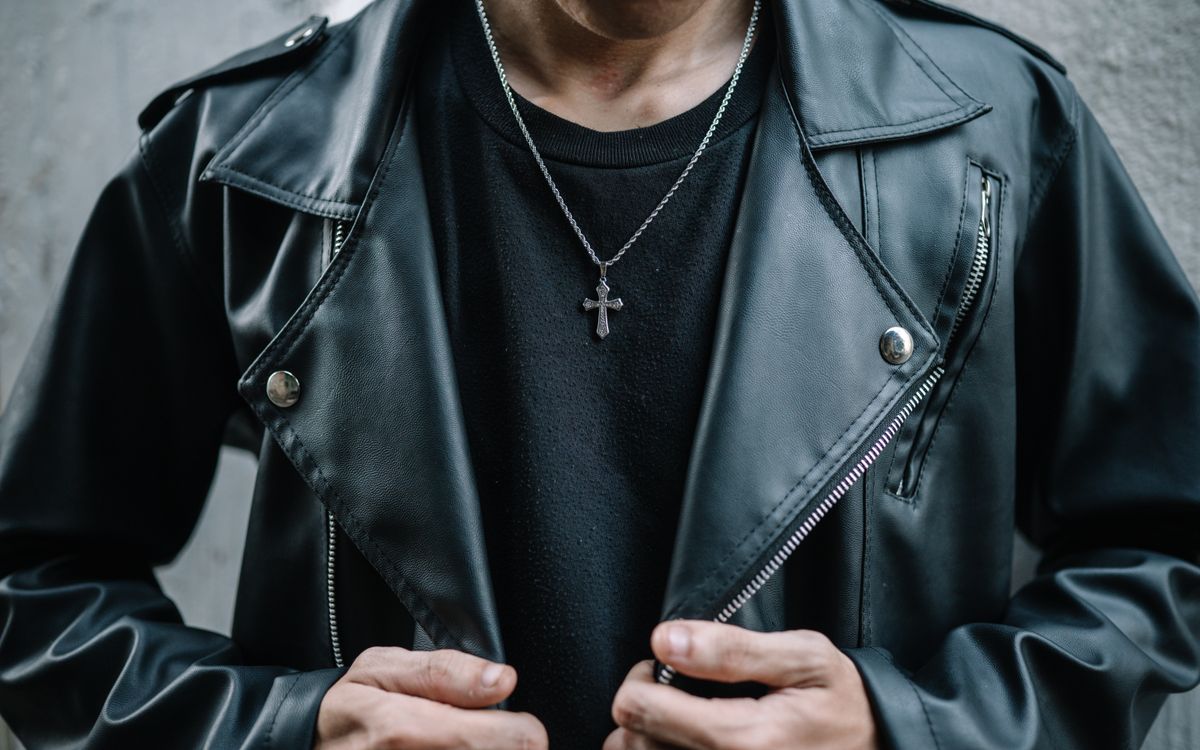
Some jackets simply weather the years better because the leather is soft and the construction lets it move. A quilted, well finished piece like the Buneri Black Soft Leather Quilted Cafe Racer Biker Jacket combines a supple hide with a clean cafe racer line, the kind of jacket that develops character rather than cracks when you look after it.
Whatever the style, the principle is the same. Soft, real leather plus a sensible care habit equals a jacket that looks better every year instead of drying out.
A Simple Anti-Cracking Care Routine
- Condition two to four times a year, more if you wear the jacket daily or live in a dry climate.
- Use a proper leather cream or balm, applied thinly with a soft cloth, then buffed off.
- Wipe off sweat, rain and road salt promptly so they cannot dry the surface.
- Never dry a wet jacket on a radiator, heater or with a hairdryer; let it dry slowly at room temperature.
- Keep it out of direct sunlight and hot cars, which bake the oils out.
- Store on a broad, shaped hanger with room around it, in a cloth cover rather than plastic.
- Treat new cracks early: clean, dry, then feed the area with conditioner before the split deepens.
- When buying, choose soft full grain leather over bonded or heavily coated leather that cannot be fed.
Conclusion
Leather jacket cracking is rarely bad luck and almost always dryness and heat catching up with a hide that was never fed. The fibres lose their oils, stiffen, and split where the jacket bends, sped along by radiators, sunlight, sweat and cheap bonded finishes. Light cracks can be softened and hidden, deep ones only slowed, which is why prevention wins every time. Start with soft, real leather, condition it a few times a year, keep it away from harsh heat, and store it with room to breathe. Do that and your jacket will not just avoid cracking; it will grow softer and better looking with every season you wear it.
Frequently Asked Questions
Why is my leather jacket cracking?
A leather jacket cracks when the natural oils that keep the hide flexible dry out and are not replaced. Leather is skin, so it behaves a little like ours: when it loses moisture it becomes stiff and brittle, and the surface can no longer bend without splitting. The most common causes are simply age combined with neglect, storage in a hot or very dry room, direct sunlight and radiators that bake the oils out, and a build up of sweat, salt and grime that draws moisture from the fibres. Cheaper bonded or heavily coated leather cracks fastest because the thin plastic style finish on top has little flexibility and peels or splits once it dries. The good news is that on real, full grain leather cracking is largely preventable and early surface cracking can often be softened and disguised with the right conditioner.
Can you fix a cracked leather jacket?
It depends on how deep the cracks go. Light surface cracking, the fine lines you see in creases at the elbows or across the shoulders, can usually be improved a great deal. Clean the leather gently, let it dry naturally, then work a good leather conditioner or cream into the affected areas so the fibres soften and swell back towards each other. For slightly deeper cracks a leather filler followed by a matching colour cream can level and hide the damage. What you cannot truly reverse is a deep crack that has split right through the grain, or the flaking of a bonded leather coating, because there is no solid hide left to feed. In those cases you can slow further damage and tidy the look, but the honest fix is to protect the jacket from that point on and, when the time comes, replace it with better quality leather.
How do I stop my leather jacket from drying out and cracking?
Prevention is far easier than repair, and it comes down to moisture and heat. Condition the leather two to four times a year with a proper leather cream or balm, more often if you wear the jacket daily or live somewhere dry. Wipe off sweat, rain and road salt promptly, because these pull oils out of the hide. Never dry a wet jacket on a radiator or with a hairdryer, as fast heat is what turns supple leather brittle; let it dry slowly at room temperature away from direct sun. Store it on a broad, shaped hanger with room to breathe, ideally in a cloth cover rather than sealed plastic. Do that and even a well worn jacket stays soft for many years.
Does real leather crack more or less than fake leather?
Real, full grain leather cracks far less than most fake or bonded leather, which is one of the main reasons it is worth buying. Genuine hide has a natural fibre structure that flexes and, crucially, can be fed with conditioner to stay supple almost indefinitely. Faux leather and bonded leather are usually a fabric backing topped with a polyurethane or PVC coating, and once that surface layer dries or ages it has no way to be nourished, so it cracks, peels and flakes with no real repair possible. A quality full grain leather jacket that is looked after can outlast several synthetic ones, which makes it the cheaper choice over time as well as the better looking one.