
A great leather jacket is built to outlast almost everything else in your closet, but only if the months it spends not being worn are treated with the same care as the months it is. Most of the damage that shortens a leather jacket’s life, deep creases, dry and cracking patches, a musty smell, faded shoulders, does not happen while you are wearing it. It happens quietly, on a hanger or in a bag, over a single badly chosen storage season.
A leather jacket is not damaged by wear nearly as often as it is damaged by being stored badly.
Why Storage Matters as Much as Cleaning
Leather is skin, and like skin it needs a certain amount of moisture, airflow and stable temperature to stay supple. Cotton or synthetic fabrics can be folded, crushed into a drawer or left in a hot car without lasting consequences. Leather cannot. Every wrong condition, too much heat, too little humidity, no airflow, direct sun, leaves a mark that a quick clean will not undo. Getting storage right is not an extra step after care, it is one of the two or three things that decide how long a jacket actually lasts.
The Four Enemies of a Stored Leather Jacket
- Heat. Attics, garages, near radiators or in a car boil the natural oils out of leather, leaving it stiff and prone to cracking.
- Direct sunlight. UV exposure fades color unevenly, especially across the shoulders and back where the jacket catches the most light on a hanger near a window.
- Trapped moisture. Sealed plastic bags and damp basements both trap humidity against the surface, which is exactly what encourages mold and a sticky finish.
- The wrong hanger. Wire hangers and narrow plastic hangers concentrate the jacket’s full weight into two small points at the shoulders, stretching and deforming the shape over months.
Where to Store a Leather Jacket
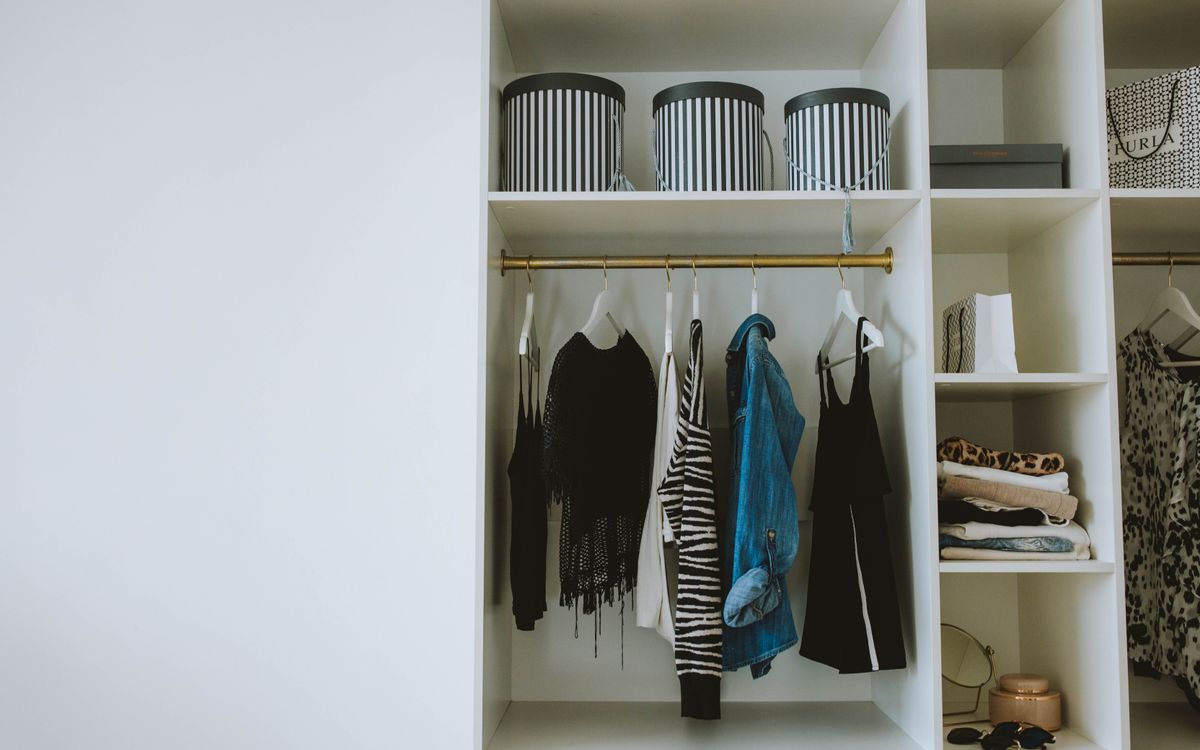
The best location is boring on purpose: a normal interior closet, away from an exterior wall, away from a window that gets direct sun, and away from any heat source. A stable room temperature around 18 to 21 degrees Celsius with moderate humidity, roughly 40 to 55 percent, is close to ideal. That rules out three common but risky spots.
- Basements are usually too damp, and damp plus leather plus time is close to a guarantee of mold or mildew.
- Attics and garages swing too far in temperature, baking in summer and often getting damp in winter.
- Anywhere near a radiator, vent or water heater dries leather out far faster than normal room air does.
A bedroom closet or a dedicated hallway coat closet, with a little breathing room around the jacket rather than crammed wall to wall, is usually the best answer most people already have at home.
A structured piece like the Buneri Rub Off Leather Hip Length Biker Jacket holds its silhouette especially well between wears when it is given exactly this kind of stable, well ventilated spot, since the shoulder shaping depends on the leather staying supple rather than drying stiff in a bad environment.
The Right Hanger, and Why It Matters More Than People Think
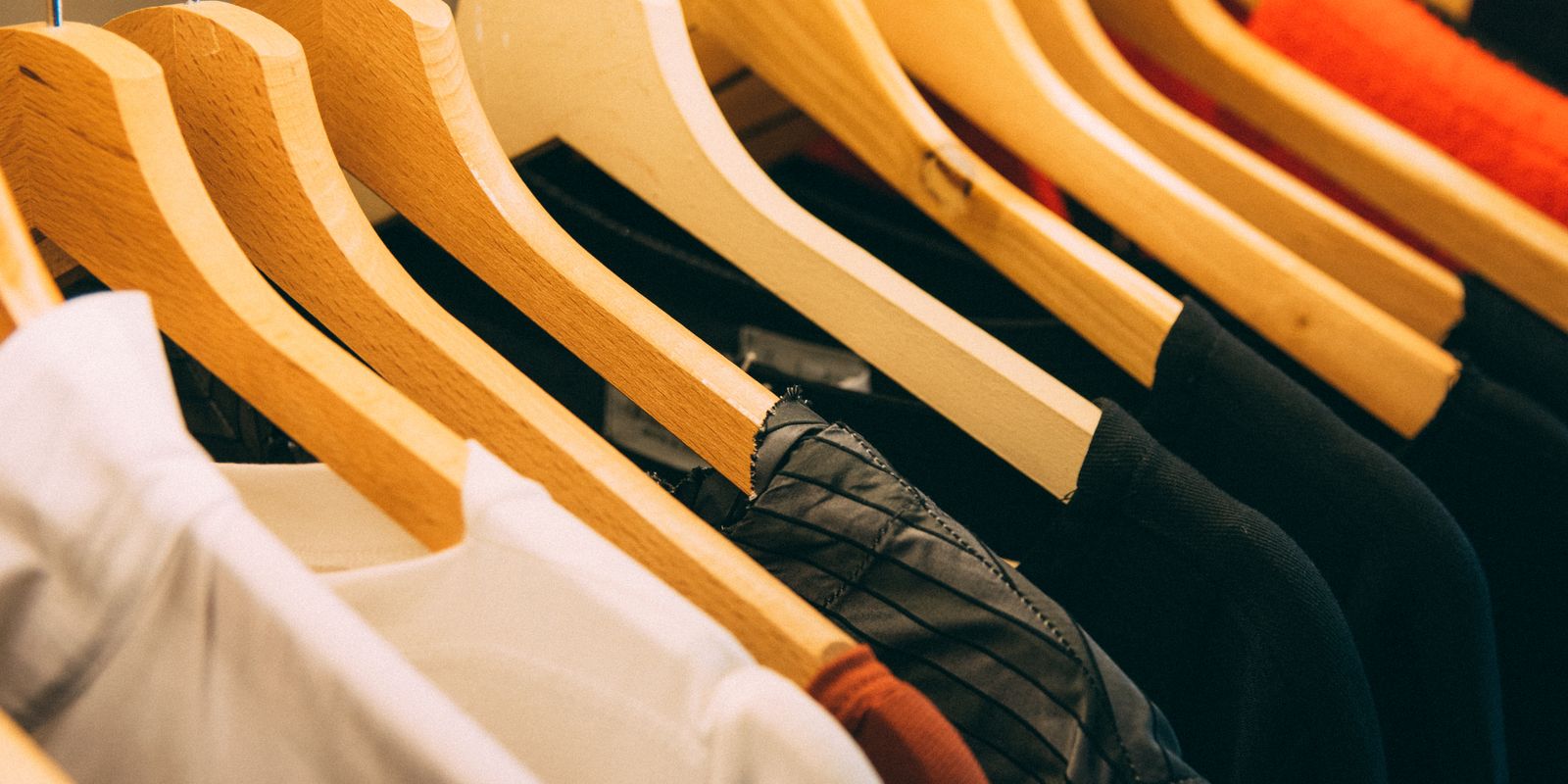
Leather is heavy relative to its surface area, and a jacket left on the wrong hanger for months will slowly take on that hanger’s shape rather than its own. Skip wire hangers entirely, they are the single fastest way to end up with pointed, stretched shoulder marks that never fully relax back out. A thin plastic hanger is only a small improvement.
- Use a wide, contoured wooden or padded hanger that mirrors the natural curve of the shoulders.
- Let the jacket hang with room around it, not squeezed between five other coats, so the shape is not pushed sideways.
- Fasten the top button or zip partway so the jacket hangs with its own weight distributed evenly, rather than slipping to one side.
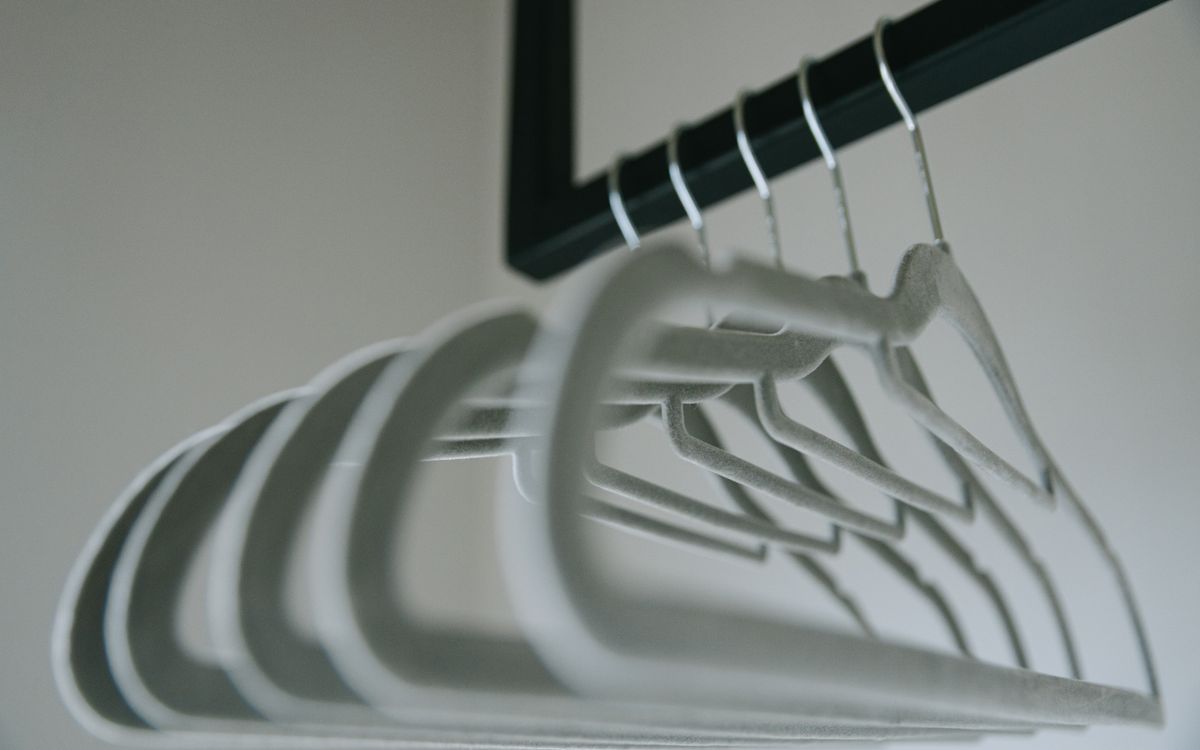
A softer, more relaxed style such as the Buneri Women’s Leather Coat with Detachable Hoodie in Black benefits even more from a proper hanger than a stiff biker jacket does, since a longer coat silhouette will show shoulder distortion and hem sagging faster if it spends the off season crushed on a narrow hook.
Garment Bags: Breathable, Not Sealed
It feels intuitive to zip a leather jacket into a sealed plastic bag to keep dust and moths away, but this is one of the most common storage mistakes. Leather needs to breathe. A sealed plastic bag traps whatever ambient moisture exists right against the surface, and over a season that can turn into mildew spots, a slightly sticky finish, or a musty smell that is genuinely hard to get rid of afterward.
- Use a breathable garment bag made of cotton or a woven fabric, which blocks dust and light while still letting air circulate.
- Never use a thin dry cleaner’s plastic bag for anything longer than a day or two of transport.
- Add a moisture absorber, a small silica gel packet or a cedar block, inside the closet or bag to manage humidity without drying the leather out directly.
What to Do Before Off Season Storage
If a jacket is going into storage for an entire season rather than just overnight, a short prep routine makes a real difference to how it comes out the other side.
- Wipe it down. Remove surface dust and dirt with a soft, slightly damp cloth, then let it dry fully before doing anything else.
- Condition lightly. A small amount of a leather appropriate conditioner keeps the hide supple through months of not being worn or naturally re-oiled by handling.
- Stuff the sleeves. Loosely fill the sleeves and body with acid free tissue paper so the jacket holds its shape rather than collapsing flat against itself.
- Hang, do not fold. Use the wide hanger method above inside a breathable bag.
- Check in periodically. Every month or two, take it out, let it air for an hour, and glance over the surface for any early sign of dryness or mold.
A quilted style like the Buneri Women’s Quilted Sheepskin Leather Jacket in Blue has more surface texture than a smooth biker jacket, which means it is worth an extra minute brushing dust out of the quilted seams before it goes into storage, since dust sitting in stitched channels for months is harder to remove later than dust on a flat panel.
Everyday Storage vs Off Season Storage
Not every jacket needs the full off season treatment. A jacket worn several times a week just needs a decent hanger and a spot out of direct sun; it does not need tissue paper stuffing or a sealed climate check every month. Save the full routine, cleaning, conditioning, stuffing, breathable bagging, for a jacket that will sit untouched for a full season or longer. Treating a daily jacket like a museum piece is unnecessary, but treating a seasonally stored jacket like a daily one is how creases and dryness quietly set in.
A Quick Storage Checklist
- Location: cool, dry, stable temperature closet, away from sun and heat sources.
- Hanger: wide, contoured, wood or padded, never wire.
- Covering: breathable cotton garment bag, never sealed plastic.
- Humidity: silica gel packet or cedar block nearby, avoid damp rooms.
- Prep: clean, dry fully, condition lightly before long term storage.
- Shape: sleeves lightly stuffed with tissue for anything longer than a season.
- Check-ins: air it out every month or two rather than sealing it away completely.
Conclusion
Storing a leather jacket well is mostly about avoiding a short list of common mistakes: the wrong hanger, sealed plastic, a damp or overheated room, and months with no airflow at all. None of it takes real effort, a wide hanger, a breathable bag and a sensible closet cover almost the entire problem. Get the storage right and the jacket will still fit, still move and still look the way it did the day you bought it, season after season.
Frequently asked questions
Where is the best place to store a leather jacket?
A cool, dry, well ventilated closet away from direct sunlight and heat sources is the best place to store a leather jacket. Ideal conditions sit around 18 to 21 degrees Celsius with moderate humidity, roughly 40 to 55 percent. Avoid basements, which tend to be damp and encourage mold, and avoid attics or spaces near radiators and water heaters, which get too hot and dry the leather out. A bedroom closet, hallway closet or dedicated coat closet away from an exterior wall is usually the safest everyday choice.
Should you use a garment bag for a leather jacket?
Yes, but it needs to be a breathable one, ideally cotton or a woven fabric garment bag, not sealed plastic. Leather needs to breathe: a plastic dry cleaner bag traps whatever moisture is in the air right against the surface, which over months can lead to mildew, a sticky finish or a musty smell. A breathable garment bag keeps dust off, blocks light and still lets air move, which is exactly what a jacket needs during long term storage.
Can you fold a leather jacket for storage?
You can fold a leather jacket for a short trip or a few days without real damage, but it is not a good idea for weeks or months. Sustained folds become permanent creases in leather the way they never fully do in cotton, especially at the elbows and across the back. For anything longer than a short period, hang the jacket on a wide, contoured hanger so its own weight keeps the shoulders and body in their natural shape instead of pressing a crease into the hide.
How do you store a leather jacket for the off season?
Clean off any surface dirt, let the jacket dry fully if it was ever damp, and apply a light leather conditioner so the hide does not dry out while it sits unused. Stuff the sleeves loosely with acid free tissue paper to hold their shape, hang it on a wide hanger inside a breathable garment bag, and add a silica gel packet nearby to manage humidity. Store it somewhere with stable temperature, out of direct sunlight, and take it out every month or two to air it and check for any early signs of mold or dryness.