
Buying your first leather jacket is a small rite of passage, and it is easy to get wrong when every shop promises the same thing in wildly different quality. A good leather jacket is one of the few clothes that gets better with age and outlasts almost everything else in your wardrobe. A bad one cracks, peels and looks tired within a single autumn. The difference is not luck, it is knowing what to look for before you hand over any money. This first leather jacket guide walks through the ten things that actually matter, so you can tell real from fake, pick a style that suits you, get the fit right, and buy a jacket you will still be reaching for in ten years.
A leather jacket is not an outfit you wear once. It is a decade long companion, so buy it like one.
1. Learn the Leather Types First
Before anything else, understand what you are actually buying, because the words on a label mean very different things. Full grain leather uses the whole top layer of the hide with its natural grain intact, which makes it the strongest and the most beautiful as it ages. Top grain is lightly sanded and finished, so it is a little softer and more uniform while still being genuine hide. Then come the traps. Genuine leather is a legal minimum term that can mean thin, low layers glued together, and bonded leather is leather scraps ground up and stuck to a backing, which cracks and peels quickly. If you remember one thing from this whole guide, let it be this: aim for full grain or top grain, and treat bonded as a warning sign.
2. Know How to Spot Real Leather
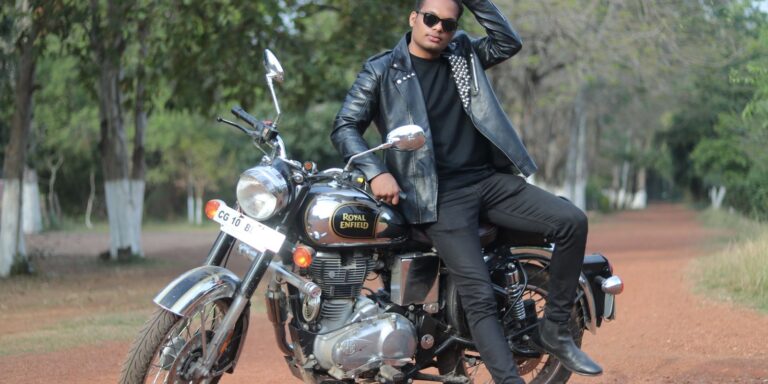
This is the question that worries most first time buyers: how do you find an original leather jacket and avoid an expensive mistake? Real hide has an irregular grain, small natural marks, and a warm smell that synthetic simply cannot fake. Press it with your thumb and genuine leather creases softly then springs back, while plastic stays flat or cracks. Look at the cut edges, because real leather looks slightly rough and fibrous where fake looks sealed and shiny. Smell it, feel the temperature against your skin, and read the label carefully. A jacket like the Black Real Leather Casual Biker Jacket shows what genuine hide should look and feel like, with a grain that no two panels repeat.
3. Choose a Style That Suits You
The most common question after real versus fake is simply, which leather jacket suits me. The honest answer is that it depends on your build and how you dress. A cropped biker flatters a slim frame, a straight bomber is forgiving across most body types, a cafe racer keeps a minimal clean line, and a longer cut adds presence for taller frames. For a first jacket, a classic biker or bomber in a neutral colour is the safest choice because it sits close to the body without being tight and works with nearly everything you already own. A clean piece like the Black Classic Leather Bomber Jacket is exactly the kind of do everything shape a first buyer should start with.
4. Get the Fit Right
A leather jacket lives or dies on fit, more than almost any other garment. It should sit close across the shoulders, with the seams landing exactly where your shoulder ends, never past it. You want room for one thin layer underneath, a tee or a fine knit, and no more. The sleeves should reach your wrist bone, and when you zip it up it should feel snug but let you move your arms freely. Remember that real leather softens and moulds to you over a few weeks, so a jacket that feels a touch firm when new is often perfect once it has settled. If it feels loose and boxy in the shop, it will only look bigger later.
5. Pick the Right Colour
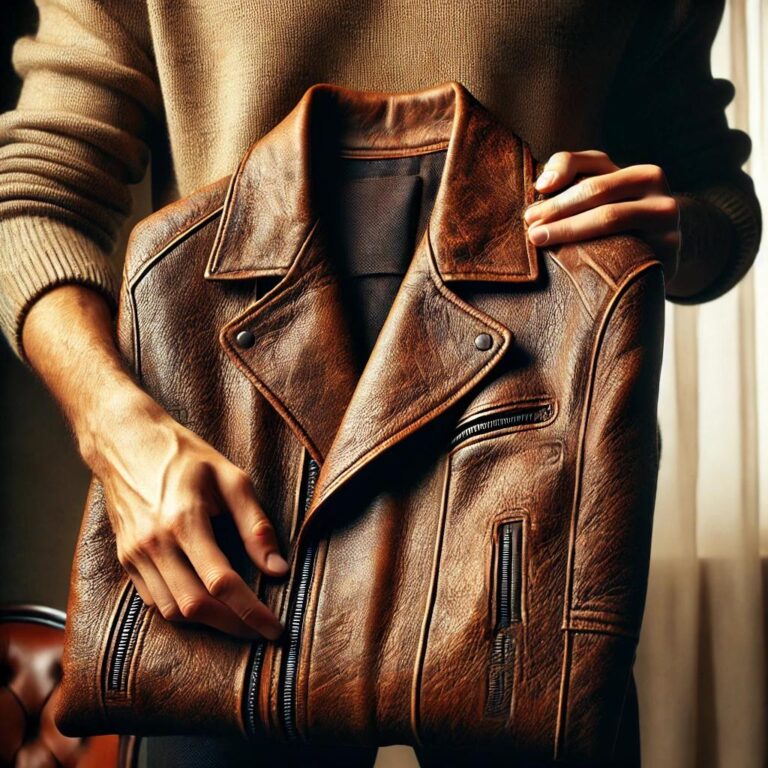
Colour decides how often you actually wear the jacket. Black is sharp, easy and endlessly versatile, the safest first choice for most people. Brown and cognac feel warmer and more casual, and they pair beautifully with denim and earth tones. For a first jacket, choose the colour that already appears most in your wardrobe, so the jacket slots in from day one. A rich tone like the Cognac Leather Cross Zip Biker Jacket shows how a warm brown can feel both classic and distinctive without shouting for attention.
6. Inspect the Hardware and Stitching
Quality hides in the details. Run the zip up and down a few times: it should glide, feel solid and metal, and never catch. Check the stitching for straight, even lines with no loose threads or skipped stitches. Look inside at the lining and how it is attached, because a rushed lining is a sign of a rushed jacket. Press the studs and snaps to feel whether they are weighty and secure. Cheap plastic zips and flimsy poppers are the first things to fail, and they tell you how the rest of the jacket was made.
7. Understand What You Should Pay
A genuine leather jacket usually starts around 150 to 250 EUR and climbs with the quality of the hide and the making. Below that, you are almost certainly looking at bonded or synthetic material that will not last. Think in cost per wear rather than sticker price: one well made jacket worn for a decade is far cheaper than replacing a cheap one every year. Set a budget you are comfortable with, then buy the best genuine leather you can inside it.
8. Match It to Your Lifestyle
Buy the jacket you will actually wear, not the one that looks best on a model. If you cycle everywhere, a heavier biker with real protection makes sense. If you want something for work and weekends, a slim bomber or cafe racer dresses up and down with ease. Be honest about your daily life, because the best jacket is the one that fits the way you really live.
9. Plan to Care for It
A leather jacket rewards a little care with decades of life. Keep it away from direct heat and long sun, wipe off rain with a soft cloth and let it dry naturally, and condition the leather two or three times a year to keep it supple. Store it on a broad shaped hanger, never a wire one, so the shoulders hold their line. Ten minutes of care a season is all it takes to keep a good jacket looking its best.
10. Buy From a Maker You Trust
Finally, buy from someone who tells you clearly what the leather is, shows honest photos, and stands behind the jacket. A trustworthy maker names the hide, describes the lining and hardware, and offers real sizing help. If the details are vague and the price feels too good, walk away.
The Quick Pre Purchase Checklist
- Confirm it is full grain or top grain, never bonded.
- Smell and press the leather to check it is real.
- Choose a classic style that suits your build.
- Check shoulders, sleeve length and one layer of room.
- Pick a colour already in your wardrobe.
- Test the zip, studs and stitching.
- Set a budget and buy the best genuine hide inside it.
- Confirm the seller is clear and honest about the leather.
Conclusion
Your first leather jacket should be a piece you grow into, not out of. Choose real leather in a classic cut and a colour you already wear, get the fit right across the shoulders, and treat it well, and it will repay you for years. Take your time, use the checklist above, and buy once rather than twice. A good leather jacket is rarely the cheapest thing in the shop, but it is almost always the one you keep the longest.
Frequently Asked Questions
What leather jacket should I buy first?
For a first leather jacket, buy the most versatile piece you can afford in real leather, not a trend piece you will tire of. A classic black or brown biker, a clean bomber, or a simple cafe racer will carry almost any outfit and stay in style for years. Choose full grain or top grain leather over anything labelled bonded, pick a colour that already lives in your wardrobe, and prioritise a fit that sits close to the body with room for one thin layer underneath. A well made classic in a neutral colour is the safest first buy because it goes with everything and ages beautifully, so you get the most wear out of a single jacket instead of chasing a look that dates quickly.
How can I tell if a leather jacket is real?
Real leather has an irregular grain, a warm natural smell, and small imperfections that no two panels share, while fake leather looks uniform, smells of plastic or chemicals, and feels cold and slippery. Press the surface with your thumb: genuine hide creases softly and springs back, whereas synthetic tends to crack or stay flat. Check the label for words like full grain, top grain or genuine leather rather than man made materials, and be suspicious of a price that seems too low, because real hide is never cheap to produce. The edges of a real jacket look slightly rough and fibrous, while bonded or synthetic edges are sealed and plastic looking.
Which leather jacket style suits me?
The style that suits you depends on your build and how you dress day to day. A cropped biker flatters a slim frame and works with jeans, a straight cut bomber is forgiving and easy on most body types, a cafe racer keeps things minimal for a clean office friendly look, and a longer or aviator style adds warmth and presence for taller frames. If you are unsure, start with a classic biker or bomber in black or brown, because both are cut to sit close without being tight and both suit almost every wardrobe. Try each style in the mirror over a plain tee and your usual jeans before deciding, since the right jacket should feel natural the moment it is on.
How much should I spend on my first leather jacket?
A genuine leather jacket usually starts around 150 to 250 EUR and rises with the quality of the hide, the hardware and the making. Below that range you are almost always looking at bonded leather or synthetic, which cracks and peels within a season or two, so it is rarely a saving. Think of a real jacket as cost per wear: a well made piece worn for ten years is far cheaper in the long run than three cheap jackets that fall apart. For a first buy, set a budget you are comfortable with, then choose the best full grain or top grain jacket inside it rather than stretching for a logo or reaching for the cheapest option on the rack.