

A real leather jacket is one of the few things in a modern wardrobe that can genuinely outlast the decade you bought it in. While most clothes are quietly designed to wear out, a good hide does the opposite: it softens, darkens and looks better every year. So how long does a leather jacket last in real terms, and what separates a jacket that ages into a treasured heirloom from one that cracks after two winters? This guide answers that plainly, along with the two questions buyers always ask next: is leather hard to look after, and how much should you actually pay?
Cheap clothes are priced by the tag. A real leather jacket is priced by the year, and once you divide the cost across a decade of wear it becomes one of the smartest buys in your wardrobe.
How Long Does a Leather Jacket Last?
The honest headline answer is ten to thirty years, and often more. A genuine leather jacket made from full grain or top grain hide, stitched properly and looked after with the lightest of routines, will comfortably serve you for two decades of regular wear. Plenty of people are still wearing jackets they bought in their twenties well into middle age, and those jackets usually look better now than the day they were new.
That range is wide for a reason. Lifespan is not a fixed number stamped on the label, it is the result of three factors working together: the quality of the leather, the way the jacket is built, and how you treat it over the years. Get all three right and thirty years is realistic. Get them wrong and even an expensive looking jacket can fail early.
Why leather ages instead of wearing out
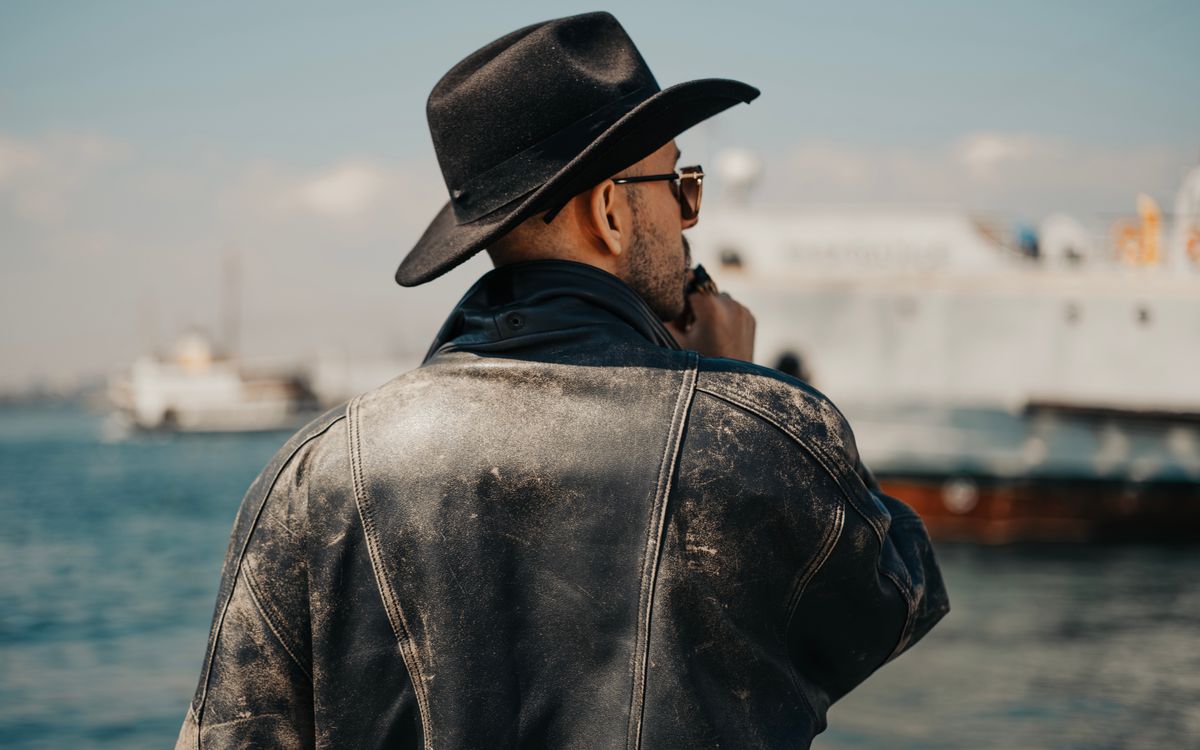
Most fabrics degrade. The fibres break down, coatings flake, elastic goes slack and stitching frays until the garment is finished. Real leather behaves in the opposite direction. The natural fibre structure of a good hide is incredibly strong, and rather than thinning with use it burnishes, deepens in colour and forms a patina that is unique to the way you wear it. This is why a leather jacket is one of the only clothes that becomes more desirable with age. A timeless piece like the Brent Biker Leather Jacket is designed to reward exactly this kind of long ownership.
What Decides a Leather Jacket’s Lifespan
If you want a jacket that lasts, learn to read these three things before you buy.
The grade of leather. Full grain is the top of the tree: the entire natural surface of the hide, untouched, with all its strength intact. Top grain is lightly sanded but still very durable. Below those sit genuine leather (a lower layer, weaker), then bonded leather, which is leather scraps glued together and coated. Bonded and heavily coated leathers are the ones that peel and crack within a few years. Full and top grain are the ones that last decades.
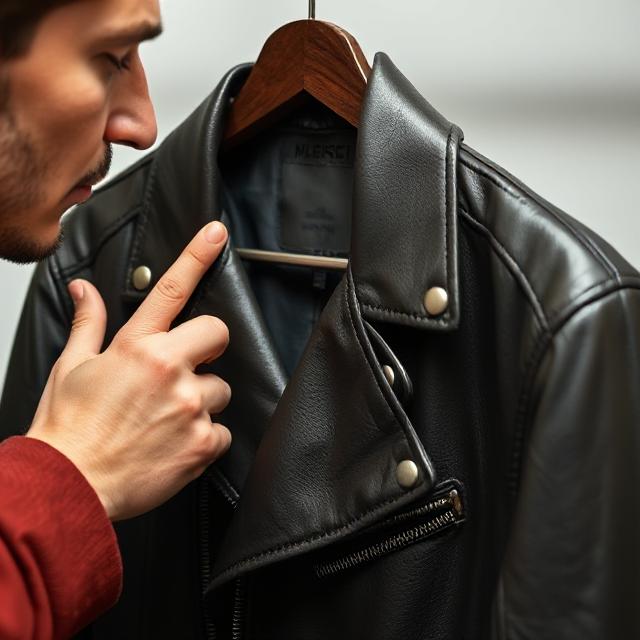
The construction. Even the best hide fails fast if it is badly assembled. Look for double or triple stitched main seams with strong, even thread, a solid metal zip that runs smoothly, and a lining that is properly attached rather than glued. These are the joints that take the strain every time you move, and they decide whether a jacket lasts twenty years or splits in two.
The care. This is the part you control, and it makes a bigger difference than most people realise. A jacket that is wiped down, dried gently and fed with conditioner will easily double the life of an identical jacket left to dry out and crack. More on the routine below.
A structured everyday piece such as the Bravo Bomber Leather Jacket shows how good hide and solid construction combine into something built for the long haul.
Are Leather Jackets Hard to Maintain?
This is where leather surprises people. It has a reputation for being fussy, yet it is one of the lowest maintenance materials you can own. There is no delicate wash cycle, no dry cleaning appointment, no waterproof coating to reproof every season. The whole routine takes a few minutes a handful of times a year.
Here is the complete care checklist:
- Wipe after wet or dusty days. Use a barely damp, soft cloth to lift off rain marks, salt and grime. Never soak the leather.
- Dry it slowly. If the jacket gets wet, let it dry at room temperature, away from radiators, heaters and direct sun. Fast heat is what dries leather out and causes cracking.
- Condition once or twice a year. Work a small amount of leather conditioner or balm into the hide with a soft cloth. This replaces the natural oils and keeps the leather supple.
- Store it properly. Hang it on a wide, padded hanger so the shoulders keep their shape. Do not fold it away in a drawer, and give it room to breathe rather than sealing it in plastic.
- Deal with marks early. A gentle wipe as soon as something spills is far easier than tackling a set in stain later.
Follow that and the jacket largely looks after itself. Compared with a wool overcoat that needs professional cleaning, or a technical shell whose membrane wears out, leather is genuinely easy going.
How Much Should You Pay for a Real Leather Jacket?
Price is the question everyone circles back to, and the honest range for a genuine leather jacket that will actually last is around 200 to 600 EUR. Specialist, heavyweight or premium designer pieces climb well above that, but the 200 to 600 EUR band is where you find real full grain and top grain jackets built to age for decades.
Be very cautious with anything sold as leather far below 100 EUR. At that price it is almost always bonded leather, plastic coated split, or faux, and no amount of care will stop it cracking and peeling within a couple of years. The low sticker price is not a bargain, it is a short countdown.
The smart way to judge cost is per year, not per tag. A 350 EUR jacket worn for fifteen years works out at a little over 20 EUR a year. A 60 EUR fast fashion jacket that dies after two winters costs 30 EUR a year and leaves you with nothing to show for it. Real leather is the cheaper option in the long run, not the expensive one. A distinctive piece like the Black Stylish Quilted Leather Jacket is bought once and worn for years, which is exactly where the value lives.
A Simple Plan to Make Your Jacket Last 20 Years
Put it all together and a two decade jacket is not luck, it is a routine:
- Buy full or top grain from the start. This decision alone sets the ceiling on how long the jacket can last.
- Check the seams and zip before you commit. Strong stitching and a solid metal zip are what survive years of daily use.
- Wear it often. Leather that is used stays supple. A jacket left sealed away can dry out faster than one worn every week.
- Wipe, dry and condition on the light schedule above. A few minutes a few times a year is all it takes.
- Repair, do not replace. A restitched seam or a new zip pull is cheap and keeps a great jacket in service for another decade.
The Bottom Line
So how long does a leather jacket last? For a real one, ten to thirty years is the honest answer, and with sensible care the top of that range is well within reach. Leather is not hard to maintain, it is one of the easiest materials you can own, asking only for the odd wipe and an annual feed. And while a genuine jacket costs more up front, somewhere in the 200 to 600 EUR range for something built to last, that cost shrinks to a few euros a year once you spread it across the decades you will actually wear it. Buy real, look after it lightly, and your leather jacket will very likely outlast almost everything else in your wardrobe.
Frequently Asked Questions
How long does a leather jacket last on average?
A well made real leather jacket typically lasts between ten and thirty years, and many outlive that with light care. The exact figure depends on the hide, the construction and how you treat it. Full grain leather with strong double stitched seams and a quality lining is built to age for decades rather than seasons. A cheap bonded or heavily coated jacket may only survive two or three winters before it cracks or peels. If you buy real, wear it often and feed the leather once or twice a year, twenty years of daily use is a realistic and common outcome rather than a lucky exception.
Are leather jackets hard to maintain?
No, leather is far easier to look after than most people expect. There is no dry cleaning schedule and no delicate wash cycle to remember. The routine is simple: wipe off dust and rain with a barely damp cloth, let the jacket dry slowly away from heat, and work in a little leather conditioner once or twice a year. Store it on a wide hanger rather than folded so it keeps its shape. That is the whole job. Compared with a wool coat that needs professional cleaning or a technical jacket whose coatings wear out, leather is genuinely low maintenance and forgives the odd missed month.
How much should I pay for a real leather jacket?
For a genuine full grain or top grain leather jacket that will last, expect to pay somewhere between 200 and 600 EUR, with premium or specialist pieces climbing higher. Anything advertised as leather for well under 100 EUR is usually bonded leather, split coated with plastic, or faux, and it will not last. The price feels large until you divide it by the years you will actually wear it. A 350 EUR jacket worn for fifteen years costs a little over 20 EUR a year, which is far cheaper than replacing a fast fashion jacket every couple of winters.
What makes one leather jacket last longer than another?
Three things decide it: the grade of the hide, the quality of the seams and how you care for it. Full grain and top grain leather keep the strong natural fibre of the skin, so they resist cracking and develop a patina instead of falling apart. Double or triple stitched seams with strong thread stop the jacket splitting under stress. A solid metal zip and a decent lining matter too. After that it is down to you: regular gentle cleaning, an occasional feed of conditioner and sensible storage will comfortably double the life of any jacket compared with neglect.