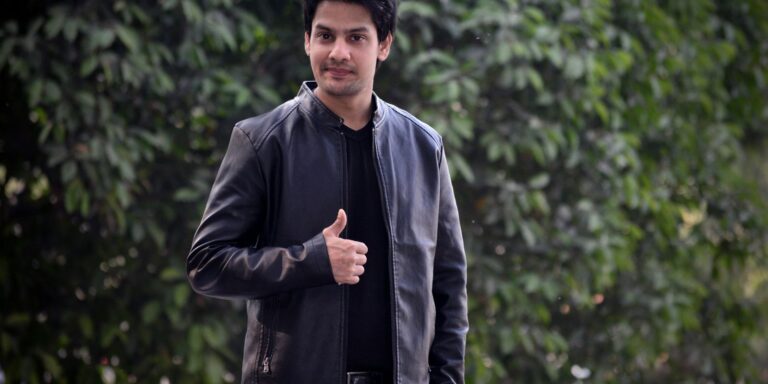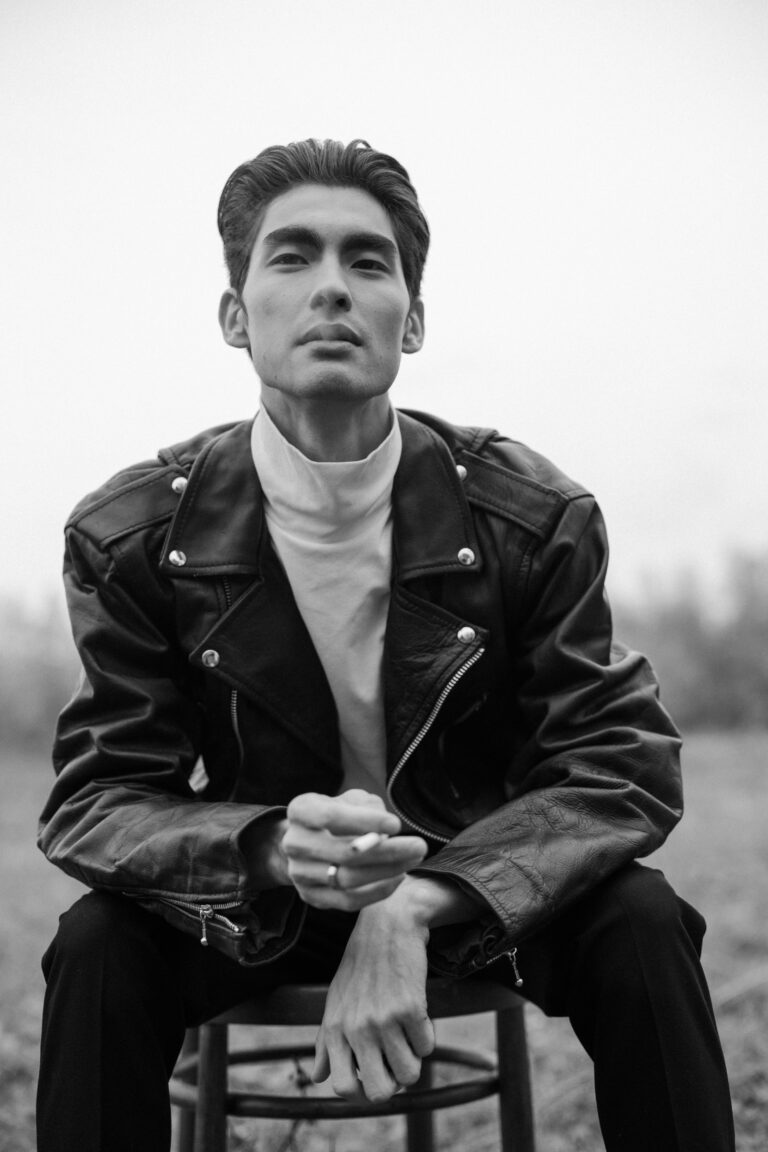

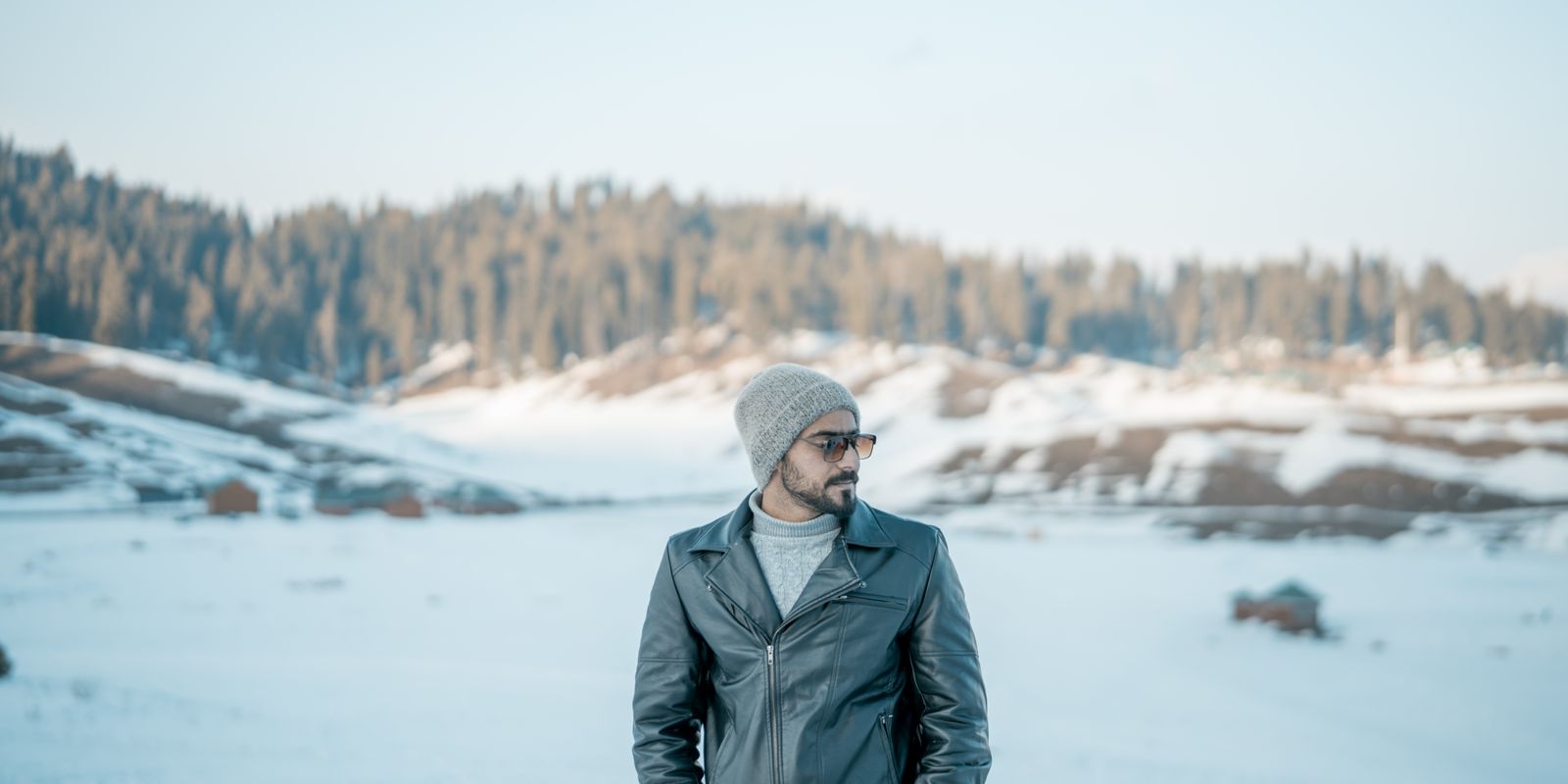
Every autumn the same question comes up when people reach for a real leather jacket instead of a technical coat: does it actually keep the weather out, or does it just look good doing it? Leather has a reputation for being tough and protective, but shoppers rightly want to know the practical detail. Will it make you sweat? Will a cold wind cut straight through it? And is it even the right jacket for the time of year? The good news is that genuine leather earns its long reputation. It breathes more than you would expect and blocks wind better than almost anything in your wardrobe. This guide explains exactly how, and how to wear one so it works in real weather.
Leather is the rare material that breathes on your skin yet stops the wind at the surface. That combination is why it has outlasted every fashion trend for a hundred years.
Are Leather Jackets Breathable?
Yes, real leather is genuinely breathable, and this is one of the most misunderstood facts about it. Leather is animal hide, a natural material full of microscopic pores that once carried sweat and air for the animal. Those pores do not disappear when the hide is tanned, so a genuine leather jacket lets a small amount of air and moisture vapour move through it. That is why quality leather feels comfortable against the skin and rarely turns clammy the way a coated nylon shell or a cheap faux leather jacket does. Faux leather is essentially plastic, sealed and non porous, which is why it traps sweat and feels sticky in warm weather.
That said, breathability is relative. Leather is more breathable than plastic but less breathable than an open weave cotton or linen. On a hot summer afternoon a leather jacket will still feel warm because it is a dense material designed to hold body heat in. Where it shines is in cool and mild conditions, exactly the weather most people wear it in, where it quietly manages the small amount of moisture your skin gives off without feeling stuffy.
The construction matters just as much as the leather itself. A soft, unlined or lightly lined jacket breathes best because there is nothing sealing the pores from the inside. Once you add heavy quilting, thick insulation or a fully bonded lining, you trade breathability for warmth. That is a fair trade in winter, but it explains why a slim café racer feels airier than a padded puffer. If breathability is your priority, look for a supple hide and a light lining.
Are Leather Jackets Windproof?
This is where leather truly outperforms almost every other material. A well made leather jacket is highly wind resistant, and it is no accident that motorcyclists, fighter pilots and aviators have trusted leather for over a century. The tight, dense grain of the hide forms a natural barrier that wind simply cannot push through the way it slices through a knitted jumper or a loosely woven cotton coat. Stand in a cold autumn gust in a wool sweater and you feel every bit of it; stand in the same gust in a leather jacket and the wind stays at the surface.
The honest word is wind resistant rather than completely windproof, because a jacket is only as sealed as its openings. Wind finds its way in through an open zip, a gaping collar or wide, loose cuffs. The leather panels themselves block the wind beautifully; the gaps are the weak points. That is why the design of the jacket decides how windproof it feels in practice. A style that zips right up to the throat, has a collar you can fasten or turn up, and cuffs that sit close to the wrist will keep you far warmer in a breeze than an open fronted, boxy cut.
A snug aviator or bomber is the gold standard here. The high collar, ribbed or zipped cuffs and close fitting hem seal the warm air in and keep the cold air out. Something like the Women’s Flight Aviator Bomber Sheepskin Leather Jacket is built exactly for this: the sheepskin blocks wind at the surface while the wool side traps a warm layer against you, which is why the aviator design has survived unchanged since open cockpit flying.
Which Season Is a Leather Jacket For?
The short answer is that a leather jacket is a three, arguably four, season piece, and its natural home is autumn and spring. These shoulder seasons are cool, changeable and often windy, which is precisely the weather leather was made for. The wind resistance keeps the chill off, the light warmth is enough without overheating, and the material handles the odd light shower far better than a knit. If you own one leather jacket and want it to earn its keep, this is when you will reach for it most.
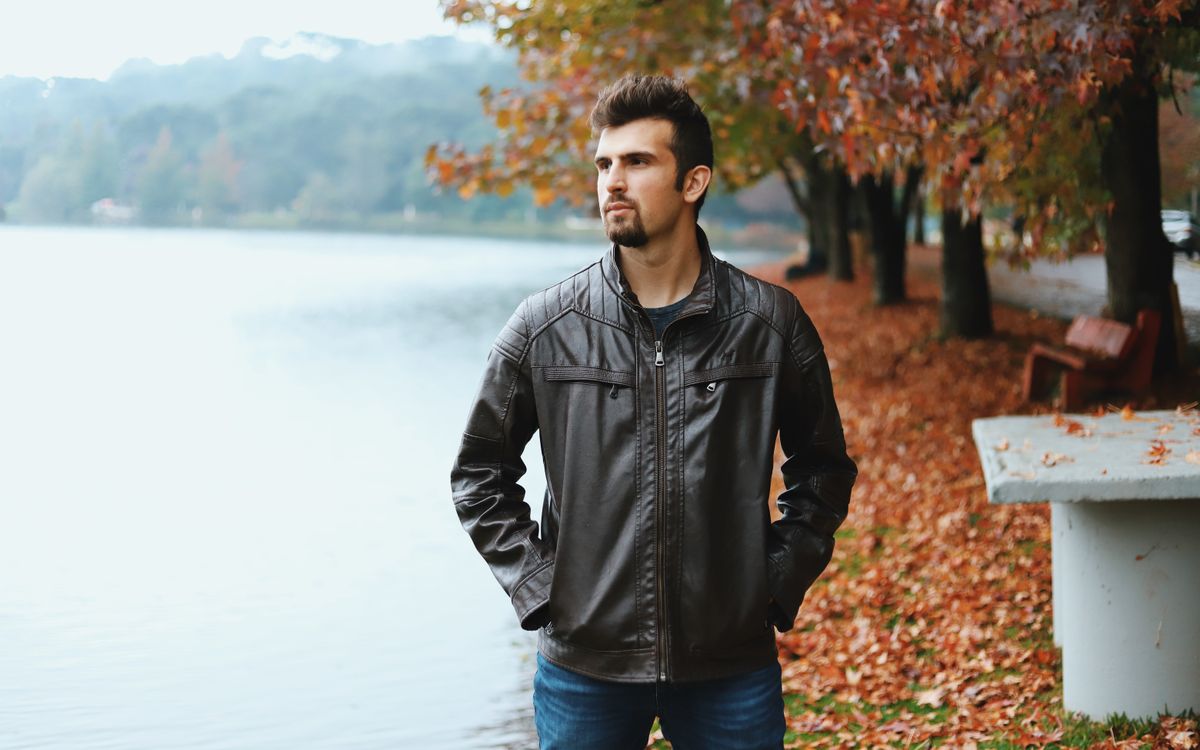
Winter is very much on the table too, as long as you choose the right leather jacket and layer underneath. A shearling, quilted or puffer style leather jacket has real insulation built in and, worn over a knit, will carry you comfortably down to around freezing. For genuinely cold, damp days a longer, heavier piece serves better than a cropped biker. The Women’s Olivia Quilted Puffer Sheepskin Leather Coat is a good example of leather crossing fully into winter territory, with the quilting adding warmth while the leather still blocks the wind.
Summer is the one season where leather asks for restraint. In the heat of the day a leather jacket is usually too warm, and this is where breathability has its limits. But cool summer evenings, seaside breezes and air conditioned interiors are all fair game for a light, unlined style. Think of summer as leather’s off season rather than a total no.
How to Wear Leather in Wind and Changing Weather
Getting real world performance out of a leather jacket is mostly about layering and fit, and it is easy once you know the logic. Because leather already stops the wind, your job is simply to add the warmth underneath and close the gaps.
Start with your base layer. A merino or cotton long sleeve against the skin, then a hoodie or a chunky knit, gives you insulation that the leather traps and holds. This is why the same jacket can feel like a light autumn layer over a t-shirt and a proper winter coat over a thick jumper. A relaxed, warm piece such as the Brown Waxed Sheepskin Leather Drawstring Hoodie shows how a soft leather layer can be casual and genuinely warm at the same time.
Next, close the openings. Zip the jacket to the throat when the wind picks up, turn the collar up or add a scarf, and pull the cuffs snug. Most of the cold you feel in a leather jacket comes in through these gaps rather than through the leather itself. Finally, respect the rain. Leather is water resistant, not waterproof, so it laughs off drizzle but should not be worn in a downpour; if it does get wet, let it dry naturally away from direct heat and condition it once dry.

A Quick Weather Checklist for Leather
Keep these points in mind and your jacket will perform in almost any conditions short of a storm.
- Match the weight to the season. A thin unlined jacket for mild spring and cool summer nights; a shearling, quilted or puffer style for autumn cold and winter.
- Layer for warmth, not bulk. Add a merino base and a knit underneath rather than expecting the leather alone to keep you hot.
- Close every gap. Zip up, fasten or turn the collar, and keep cuffs snug. This is what turns wind resistant into wind blocking.
- Add a scarf on the coldest days. An open neck is the biggest heat leak on any jacket, leather included.
- Keep it out of heavy rain. Shrug off drizzle, but change plans for a real downpour, and never dry leather on a radiator.
- Condition it regularly. Supple, cared for leather blocks wind and resists water better than dry, neglected hide.
The Bottom Line
Are leather jackets breathable and windproof? Yes on both counts, with sensible caveats. Real leather breathes far more than plastic faux leather, keeping you comfortable in the cool, mild weather it was made for, though it is never as airy as summer cotton. And it is one of the most wind resistant materials you can wear, blocking the breeze at the surface as long as you close the zip, collar and cuffs. Treat autumn and spring as its home, layer up for winter, and go light in summer, and a good leather jacket will quietly outperform most of the technical coats hanging next to it.
Frequently Asked Questions
Are leather jackets breathable?
Real leather is naturally breathable because it is a porous material with tiny openings that let some air and moisture vapour pass through. That is why a genuine leather jacket feels alive on your skin and rarely gets clammy the way a plastic or heavily coated jacket does. It is not as airy as a linen shirt, so on a hot summer day it will still feel warm, but in cool and mild weather it manages sweat far better than synthetics. A soft, unlined or lightly lined jacket breathes best. Heavy quilting, thick insulation and fully bonded linings all reduce airflow in exchange for warmth, so the more insulated the jacket, the less it breathes.
Is a leather jacket windproof?
A good leather jacket is one of the most wind resistant things you can wear, which is exactly why bikers and pilots have relied on it for a century. The tight grain of the hide blocks wind far better than knitwear or a loose cotton coat, so a cold breeze that would cut through a jumper barely registers through leather. It is wind resistant rather than fully sealed, since wind can still sneak in at an open zip, a loose collar or wide cuffs. Choose a jacket that zips to the throat, add a snug collar or a scarf, and the wind stops being a problem.
Which season is a leather jacket for?
A leather jacket is at its best in the shoulder seasons, autumn and spring, when the air is cool and breezy but not freezing. That is the sweet spot where its wind resistance and light warmth do the most work. With the right layers it also covers a good part of winter: a shearling or quilted leather jacket over a knit keeps you warm down to near freezing. In high summer a leather jacket is usually too warm for daytime, though a light unlined style works fine on cool evenings. So the honest answer is most of the year, with autumn and spring as the natural home.
How can I make a leather jacket warmer and more windproof?
Layering is the whole secret. Because leather already blocks wind, you only need to add insulation underneath: a merino base layer, a hoodie or a chunky knit traps warm air that the leather then holds against you. Choose a jacket that fastens fully at the neck, since most heat and wind loss happens around an open collar, and add a scarf on the coldest days. A shearling or quilted lining turns a three season jacket into a true winter one. Finally, keep the leather conditioned; supple, well cared for leather blocks wind better than dry, cracked hide.