
Every autumn the same question comes up: is a quilted leather jacket a serious piece of winter kit, or just a good-looking way to feel cold in style? It is a fair thing to ask. Padded leather sits in a strange middle ground between the fashion jacket and the technical coat, and the marketing rarely tells you which one you are buying. The honest answer is that a proper quilted leather jacket is both style and substance, but only if the padding behind the stitching is real. Get that part right and you own a jacket that turns heads and keeps you genuinely warm from October through to the first thaw. Get it wrong and you own a very handsome layer that lets the wind straight through. This guide shows you how to tell the difference.
Quilting is not decoration that happens to be warm. It is warmth that happens to look good. Judge the jacket by what is behind the stitches, not just the pattern on the surface.
What Quilting Actually Does
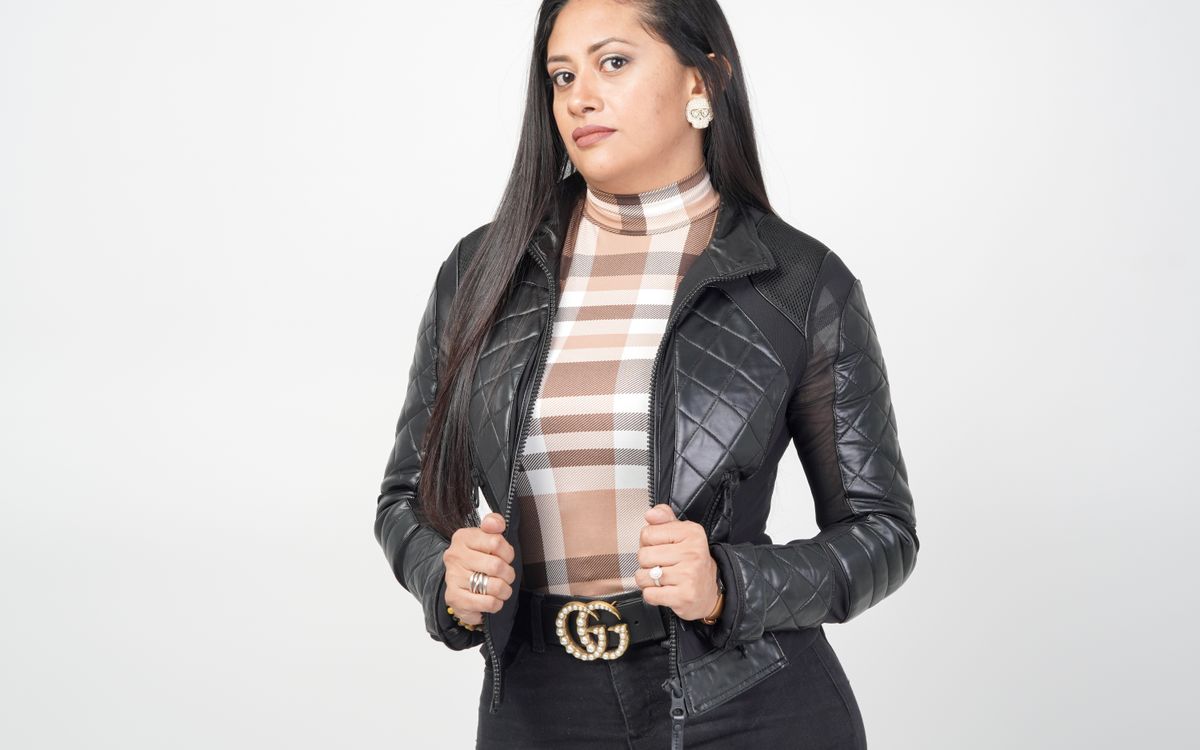
To decide whether a quilted leather jacket earns its place, it helps to understand why quilting exists at all. The stitched pattern, usually diamonds or vertical channels, is not there to look pretty. Its real job is to hold a layer of insulation in place so it cannot slide down, bunch up in the hem or drift into one corner after a few wears. Without that grid of stitching, loose padding migrates and leaves you with cold patches.
The warmth itself comes from air, not from the leather or even the padding directly. Insulation works by trapping thousands of tiny pockets of still air, and still air is a poor conductor of heat, so your body warmth stays close to your skin instead of escaping. The quilting divides the jacket into small sealed compartments that each hold their own cushion of warm air. That is the whole principle, and it is exactly how a good duvet works, just wrapped around you and finished in leather.
Leather adds the second half of the system. A hide is a superb windbreaker and shrugs off light rain, so it stops the cold air outside from stripping the warm air you have generated. Pair a wind-blocking leather shell with a properly insulated quilted lining and you have a real cold-weather jacket, not a compromise.
Style or Substance: The Honest Answer
So which is it? The truth is that the quilted leather jacket is one of the few garments that genuinely delivers on both fronts, but the balance depends entirely on construction. There are two very different things sold under the same name.
The first is the genuinely insulated jacket: leather shell, quilted lining stuffed with polyester wadding, down or shearling, built to keep you warm. This is substance with style on top. The second is the fashion piece, where the quilting is stitched into the surface panels for texture and a flattering shape, with little or no insulation behind it. That jacket looks the part and layers beautifully in mild weather, but it will not carry you through a cold January on its own.
Neither is wrong. A surface-quilted jacket can be exactly what you want for autumn styling and layering. The mistake is buying one expecting deep winter warmth, or buying a heavy insulated jacket when you only ever needed a light transitional layer. Know which you are buying before you pay. A classic example of the warm, wear-everywhere option is the Buneri Black Leather Varsity Quilted Bomber Jacket, where the quilting is doing a real job under a clean bomber shape.
How Warm Is It Really, and For What Weather
Let us be specific about temperature, because “warm” means nothing on its own. A well-insulated padded leather jacket is comfortable across a wide band, roughly from crisp ten-degree autumn mornings down to around freezing, and lower still once you layer correctly underneath.
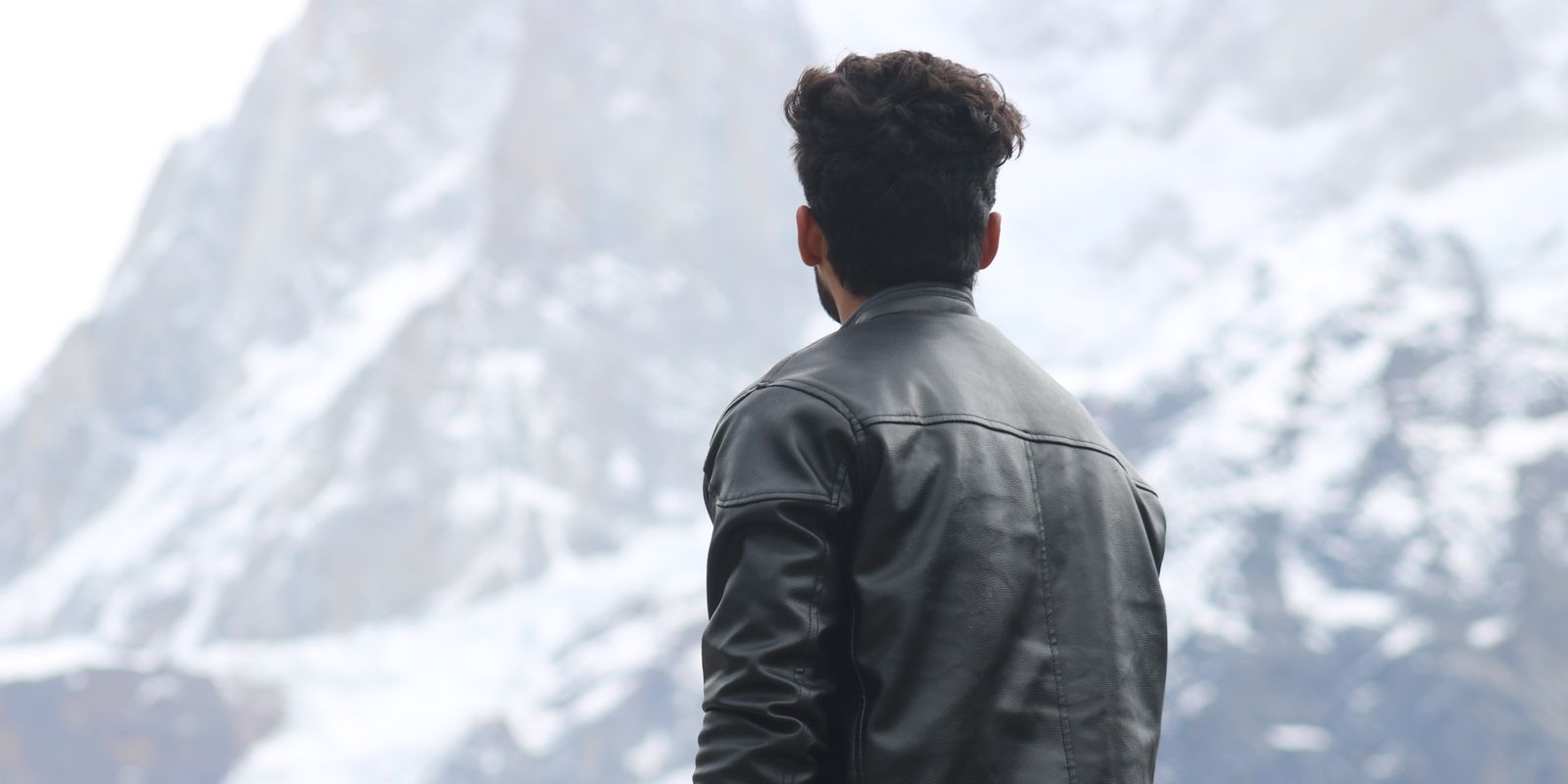
The reason the range is so generous is that leather punches above its weight. Because the shell blocks wind and drizzle, the jacket feels warmer than the raw thermometer reading, especially on a damp, blustery day when a knit alone would leave you shivering. For most European town winters, a quilted leather jacket over a merino or lambswool knit is all you need for the commute, the school run and evenings out.
If you live somewhere that drops well below zero, or you spend long stretches standing still outdoors, size up the insulation rather than piling on layers that restrict movement. A shearling-lined or down-filled leather jacket handles genuine cold with ease. The Brown Shearling Sheepskin Leather Jacket is the heavyweight of the family, with dense natural wool that traps heat brilliantly for the coldest weeks of the year.
Quilted or Padded: Reading the Label
The words get used loosely, so here is the distinction that actually matters when you shop. Quilting describes the stitched pattern that anchors insulation in place. Padding describes the insulation itself, the wadding, down or fleece that adds the warmth and a touch of loft. Most quilted leather jackets are also padded, because the whole point of the quilting is to hold the padding still.
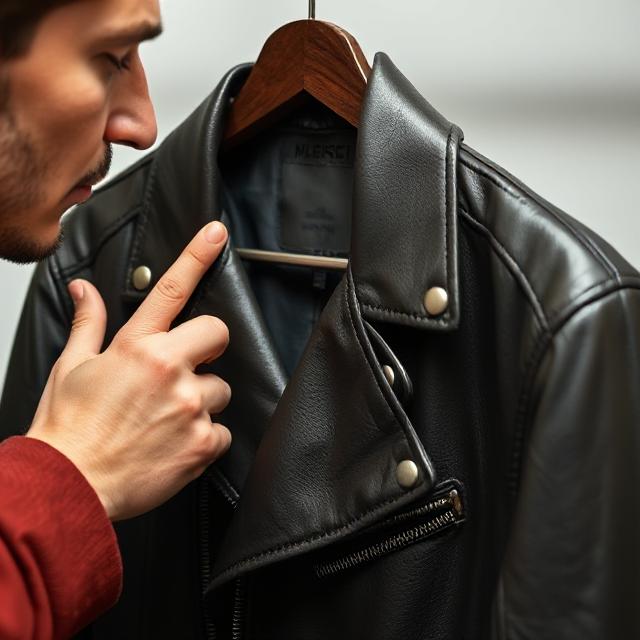
The trap is surface quilting with nothing behind it. Some jackets carry a handsome diamond pattern on the shoulders or chest purely for shape and texture, with an unpadded lining. To tell the two apart, pinch the quilted panel between your fingers: if you feel a soft, springy cushion, there is real insulation in there; if it feels flat and thin, the quilting is mostly cosmetic. Also open the jacket and look at the lining directly, since a warm jacket shows a quilted inner layer, not just a smooth polyester lining.
If you want the sharp, structured look with warmth built in, a quilted biker cut delivers both. The Black Quilted Stylish Biker Leather Jacket pairs the asymmetric biker silhouette with genuine quilted construction, so the attitude comes with actual insulation.
How to Style a Quilted Leather Jacket

A padded leather jacket is easy to wear because the quilting reads as considered rather than bulky. The classic combination is the jacket over a fine-gauge knit, with slim denim or wool trousers and boots. The slight loft of the quilting balances a slimmer trouser, so keep the lower half fitted to avoid looking swamped.
For a smarter look, a black quilted bomber or biker layers cleanly over a roll-neck and tailored trousers, taking you from the office to dinner without a coat change. For weekends, the same jacket sits happily over a hoodie or flannel shirt. Colour matters less than finish here: black and deep brown are the most versatile, while a shearling collar adds warmth and softens the line around the face. Keep accessories simple, since the quilted texture is already doing the visual work.
A Practical Buying and Care Checklist
Before you buy, and once the jacket is yours, run through these steps to make sure you get real substance, not just surface:
- Pinch the panels. A soft, springy cushion means real insulation; flat and thin means cosmetic quilting only.
- Open the lining. Look for a quilted inner layer, wadding, down or shearling, not a plain smooth lining.
- Check the stitching. Even, tight quilting lines hold padding in place; loose or skipped stitches let it migrate and leave cold spots.
- Test the shell. Genuine leather blocks wind and light rain; press it and it should wrinkle and spring back like skin.
- Wipe it down after wear. Remove road salt, rain and grime with a barely damp cloth as soon as you get home.
- Dry it gently. Air dry away from radiators and direct heat, which cracks leather and can flatten the padding.
- Condition through winter. Feed the hide two or three times a season to replace the oils cold, dry air strips out.
- Store it right. Hang on a wide hanger, never folded, and make sure the quilted lining is fully dry before storage.
Follow those eight points and a quilted leather jacket will keep both its warmth and its shape for many winters.
The Bottom Line
Style or substance is a false choice with a quilted leather jacket, because the good ones give you both. The catch is that “good” depends on what sits behind the stitching. A jacket with real insulation under an honest quilted lining is a proper winter layer that happens to look excellent, comfortable from autumn into the freeze and easy to style over almost anything. A jacket with cosmetic surface quilting is a fine transitional piece, but no substitute for warmth. Learn to tell them apart with a pinch and a look inside, buy the version that matches your winters, and care for the leather properly. Do that and you get exactly what the category promises at its best: a jacket that is as warm as it is good-looking.
Frequently Asked Questions
Is a quilted leather jacket actually warm, or just for looks?
It is genuinely warm, provided the padding is real and not just decorative stitching. Quilting works by trapping small pockets of still air between the leather shell and the lining, and that trapped air is what keeps heat close to your body. A jacket with a proper quilted lining, whether polyester wadding, down or shearling, will hold heat far better than an unlined leather jacket of the same weight. The leather itself is an excellent windbreaker, so the combination of a wind-blocking shell and an insulating quilted layer is a real cold-weather system, not just a style detail. The key is to check that the quilting is backed by insulation you can feel, not stitched into the surface for decoration alone.
How cold can you wear a padded leather jacket?
A well-insulated padded leather jacket is comfortable from crisp autumn days down into a real winter, roughly from ten degrees Celsius down to around freezing, and colder still if you layer correctly underneath. Leather blocks wind and light rain, which makes it feel warmer than the temperature suggests, and the padding handles the rest. For deep sub-zero cold you will want a heavier shearling or down-filled version and a proper base layer. For most European winters in town, a quilted or padded leather jacket over a knit is all most people need for daily wear, commuting and evenings out.
What is the difference between quilted and padded leather jackets?
The two words overlap, but there is a useful distinction. Quilting refers to the stitched pattern, usually diamonds or channels, that holds a layer of insulation in place so it cannot shift or bunch. Padded refers to the insulation itself, the wadding, down or fleece that adds warmth and a little loft. Most quilted leather jackets are also padded, because the quilting exists to secure the padding. You can, however, have surface quilting on panels that is more about texture and shape than warmth, so always check whether there is real insulation behind the stitched pattern rather than assuming the quilting alone keeps you warm.
How do you care for a quilted leather jacket in winter?
Keep the shell conditioned and the lining dry. Wipe road salt, rain and grime off the leather with a barely damp cloth as soon as you get home, then let the jacket air dry away from radiators, since direct heat cracks leather. Condition the hide two or three times through the cold season to replace the oils that winter air strips out. If the quilted lining gets damp from sweat or snow, hang the jacket open somewhere airy until it is fully dry before you store it, because trapped moisture in the padding causes odour and can mark the leather. Store it on a wide hanger, never folded, so the quilting keeps its shape.