
Scrolling through jacket listings, almost every product photo looks the same: a sharp cut, a rich color, a model who makes anything look good under studio lighting. The differences that actually matter, the ones that decide whether a jacket is still holding its shape in five years or peeling apart after one damp winter, rarely show up in a photo at all. Knowing how to spot a quality leather jacket before you buy means knowing exactly what to look for, what to touch, and what questions to ask, whether you are standing in a shop or scrolling on a phone.
A cheap leather jacket and an expensive one can look nearly identical in a photo. They stop looking identical after the first year of actual wear.
How Can You Tell If a Leather Jacket Is Good Quality?
The honest answer is that quality shows up in layers, and no single detail tells the whole story on its own. What works well is checking a short list of signals together: the type of leather, the grain and texture, the smell, and the way the hide behaves when you flex it. Combine two or three of these checks and a clear picture forms fast, even before you look at stitching or hardware.
Check the Type of Leather First
Leather is graded, and the grade matters more than almost anything else on the jacket.
- Full grain leather uses the entire hide with the natural grain intact. It is the most durable option, develops a rich patina over years of wear, and shows small natural marks and texture variation rather than a flawless, uniform surface.
- Top grain leather has the very top layer lightly sanded and refinished, which makes it a bit more uniform and slightly less durable than full grain, but still a genuine, long-lasting hide.
- Genuine leather, despite the reassuring name, is actually a lower grade made from layers below the top grain, bonded or corrected to look consistent. It wears out faster and cracks sooner than full or top grain.
- Bonded or faux leather is not real hide at all, just leftover scraps or synthetic material pressed or coated to resemble leather. It rarely lasts more than a season or two of regular wear.
A listing that clearly states “full grain” or “top grain” cowhide, lambskin or goatskin is telling you something specific. A listing that only says “genuine leather” or “leather-look” without further detail is worth a closer look before buying.
Look at the Grain and Texture Up Close
Real, high-grade leather has natural grain: small pores, subtle color variation, and tiny imperfections that come from an actual animal hide rather than a mold. Run a finger across the surface. It should feel slightly textured and warm up quickly against skin, not stay cool and slick the way vinyl or PU-coated fabric does. If the surface looks unnaturally perfect and repeats the same pattern across every panel, that is usually a sign of an embossed synthetic rather than genuine hide.
The Bend and Smell Test
Fold a small section of the jacket, ideally near a seam, between two fingers and let go. Genuine leather creases naturally and the crease softens back out over a few seconds. Bonded or faux leather tends to either crack sharply along the fold or spring back too fast, almost like stiff plastic. Then bring the jacket close and take a light sniff. Real leather has a warm, slightly earthy, faintly sweet smell. A strong chemical, rubbery or plastic odor is one of the most reliable warning signs of a synthetic or heavily coated material, and it is very hard to fake.
Examine the Construction, Stitching and Hardware
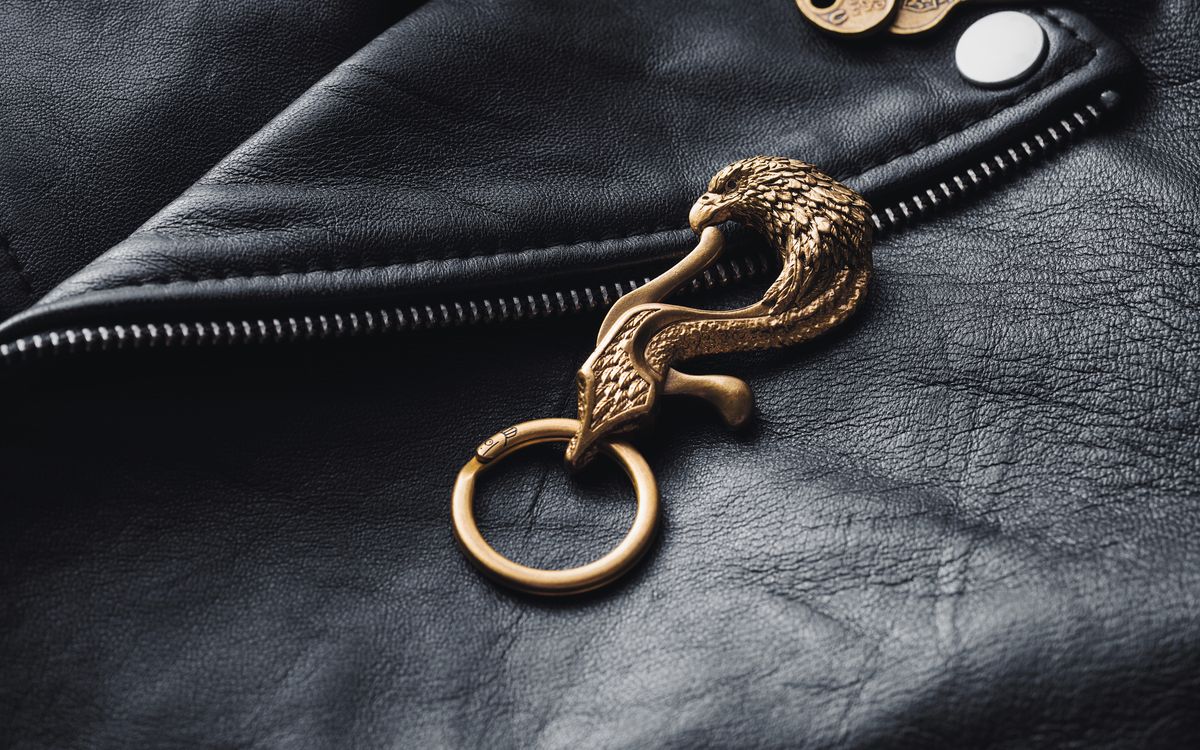
Even a good hide can be ruined by careless construction, and this is where a lot of otherwise decent leather gets let down by corner-cutting during manufacturing. Look closely at the stitching along the shoulders, sleeve seams, collar and pocket edges. It should run in straight, even, tightly spaced lines, with reinforced double stitching at the points that take the most stress, like the underarm seams and the base of the zipper. Loose threads, skipped stitches or single-pass seams at high-stress points are early warnings that the jacket will not hold up to regular wear.
Hardware is just as telling. Pull the main zipper up and down a few times: it should glide smoothly without catching or feeling gritty. Snap buttons and rivets should sit flush and feel solid, not light or hollow when tapped. A jacket like the Buneri Womens Genuine Leather Biker Brando Style Jacket is a useful reference point for what reinforced seams and solid zip pulls should look and feel like on a well-built biker silhouette.
Finally, check the lining. A quality jacket has its lining fully sewn into the seams, not just glued or tacked at a few points. Pull gently at the inside edge near a pocket; if the lining separates easily or the glue is visible as a thin crust along the seam, that is a shortcut that will show up as sagging or bunching lining within a year.
Who Makes High-Quality Leather Jackets?
There is no single brand that owns the category, and chasing a famous name is not the most reliable strategy anyway. What actually predicts quality is sourcing and specialization. Makers who focus specifically on leather outerwear, rather than treating leather as one seasonal category among dozens, tend to invest more carefully in hide selection, tanning quality and stitching, because leather is their core product rather than an add-on line. A jacket built around a substantial hide, like the Elvis Presley Mens Black Genuine Leather Jacket, reflects that kind of specialist construction in the weight of the leather and the way the panels are cut and joined.
Practically, that means reading the product description for the actual leather grade and origin rather than a vague “leather” label, looking at customer photos for close-up shots of the grain and stitching rather than only the styled hero shot, and checking whether the maker is transparent about lining material and hardware. A brand that is specific about these details in its own listings is usually more confident in its construction than one that stays vague on purpose.
A Practical Checklist Before You Buy
Use this short sequence any time you are evaluating a jacket in person or from photos and a return policy.
- Read the material line first. Look for “full grain” or “top grain” cowhide, lambskin or goatskin, and treat a bare “genuine leather” or “leather-look” label as a reason to dig deeper.
- Inspect the grain. Natural texture, small imperfections and slight color variation are good signs; a flawless, repeating pattern is not.
- Bend and smell it. A natural crease that softens back out and a warm, earthy smell both point to real hide.
- Check the stitching. Straight, tight, reinforced seams at the shoulders, underarms and zipper base separate careful construction from rushed manufacturing.
- Test the hardware. Zippers should glide, snaps should sit flush, and nothing should feel light or hollow.
- Pull at the lining. It should be sewn in, not glued, and should not separate with gentle pressure.
- Weigh it in your hands. Genuine full grain and top grain leather has real heft; a jacket that feels suspiciously light for its size is worth a second look.
If a jacket passes most of this list, it is very likely a genuinely quality leather jacket rather than one that only photographs well.
Common Mistakes When Buying a Leather Jacket
The most common mistake is trusting the product photo over the product description, since a good photographer can make almost any material look rich and glossy under the right lighting. The second is assuming price alone guarantees quality; it correlates, but a high price can just as easily be paying for branding and retail markup as for better hide and stitching. The third is skipping the smell and bend test entirely because it feels unnecessary in a shop, when in reality it takes fifteen seconds and catches a synthetic imitation almost every time. A well-built option like the Buneri Womens Genuine Leather Puffer Jacket with Removable Hood is a good example of a jacket where the leather grade and the hardware are worth checking closely exactly because the padded silhouette makes it easy to overlook the hide underneath.
Conclusion
Spotting a quality leather jacket before you buy comes down to a handful of checks that take only a couple of minutes: the leather grade stated in the listing, the natural grain and texture, the bend and smell test, tight and reinforced stitching, solid hardware, and a properly sewn lining. None of these require special expertise, just a willingness to look past the photo and the price tag and check the details that actually predict how the jacket will hold up. Run through the checklist once and it becomes second nature, and every future leather jacket purchase gets a lot less like a gamble.
Frequently asked questions
How can I tell if a leather jacket is good quality?
Start with the leather itself: full grain and top grain hide feel dense and slightly cool to the touch, with visible natural grain and small imperfections rather than a uniform plastic-like surface. Bend a small section between two fingers; real leather creases and wrinkles naturally, while bonded or faux leather tends to crack or feel stiff and springy. Then check the construction: stitching should be tight, even and doubled at stress points like the shoulders, cuffs and pocket edges, hardware such as zippers and snaps should feel solid rather than light and hollow, and the jacket should have a faint natural leather smell rather than a strong chemical or plastic odor. Any one of these signs alone is not conclusive, but two or three together give a reliable picture.
Who makes high-quality leather jackets?
The most reliable quality signal is not a specific brand but the sourcing and construction behind it: full grain or top grain cowhide or lambskin from a reputable tannery, cut and stitched by a maker who publishes details about hide type, lining and hardware rather than hiding behind vague marketing terms like genuine leather. Smaller specialty makers and workshops that focus specifically on leather outerwear, rather than a generic multi-category fashion brand, tend to invest more in the hide and the stitching because leather is their core product, not a seasonal add-on. Reading the product description for the leather grade, checking customer photos for close-up shots of the grain, and looking at how the seams are finished on the inside are better indicators than the name on the label.
What does giacca di pelle di qualita actually mean when I am comparing jackets?
It translates simply to quality leather jacket, and in practice it means the hide, the construction and the finish all hold up under close inspection, not just from three feet away in a photo. A genuinely quality jacket uses full grain or top grain leather rather than bonded scraps, has reinforced stitching at the stress points, a lining that is sewn in rather than glued, and hardware that operates smoothly without sticking. When comparing two jackets that look similar online, these details, not the price tag alone, are what actually separate a piece that lasts a decade from one that falls apart after a season.
Is a more expensive leather jacket always better quality?
Not automatically, though price and quality are correlated more often than not because good hide and careful stitching cost more to produce. A high price can also be paying for a brand name, a designer label or a retail markup rather than better materials, so price alone is not a substitute for checking the leather type, the grain, the stitching and the hardware yourself. Conversely, some mid-priced jackets from specialty leather makers offer better construction than a much pricier fashion-brand jacket that spent more of its budget on branding than on the hide. Treat price as one data point, and let the physical inspection make the final call.