
The two centuries between the Industrial Revolution and the space age turned the leather jacket from a piece of practical protection into one of the most powerful symbols in modern dress. This is the story of how that happened: the machines that sped up tanning, the cultures that wove leather into identity, and the films and designers that made the jacket an icon. Here is the history of the leather jacket across the nineteenth and twentieth centuries.
In two hundred years the leather jacket travelled from the factory floor to the silver screen, and never lost its grip on us.
The Nineteenth Century: Leather Meets the Machine
The Industrial Revolution changed leather as profoundly as it changed everything else. The breakthrough came from the American chemist Augustus Schultz, who invented a faster method of tanning using chromium salts. Where the old methods took weeks or even months to turn a skin into usable leather, this new process needed only a few hours. Chrome tanning made leather quicker and cheaper to produce, and it remains the dominant method to this day.
Machinery did the rest. In both America and Europe, engineers built special machines to push tanning productivity higher and higher. As early as 1809, a leather splitting machine had been patented that could split a hide to any desired thickness, giving makers a level of consistency that hand work could never match. Together, chemistry and engineering laid the groundwork for the mass produced leather garments of the century to come.
The effect on everyday life was enormous. Faster, cheaper tanning meant that leather goods which had once been luxuries slowly came within reach of ordinary working people. Boots, belts, bags and eventually jackets could be made in larger numbers and more uniform quality than ever before. The craft tradition of the small tannery did not vanish, but it now sat alongside an industry able to supply a fast growing, increasingly urban population. The leather jacket as we know it, a garment produced in quantity and worn by millions, simply could not have existed without these nineteenth century leaps.
Leather and Identity in Native America
While European factories raced ahead, leather carried a very different meaning across the Atlantic. For many Native American peoples it was woven into identity, ceremony and craft.
During the Indian Wars, Apache warriors served the United States Army as scouts from 1871 to 1923. They were never issued uniforms, so they created their own. A surviving shirt from the late 1800s shows the result: made of deerskin and dyed in the sacred pigment of yellow ochre, it was ornamented with rows of buttons, fringing and detailed beadwork.
Leather also marked life’s most important moments. When a young woman of the Mescalero Apache reaches puberty, the community holds a four day coming of age ceremony that celebrates creation and honours women. A poncho and skirt from the early 1900s, made of soft buckskin with heavy beaded fringing and beaded embroidery, were worn for exactly this rite. In these garments, leather was never merely clothing. It was memory, belief and belonging.
The Corset: Leather as Structure
Leather was not only outerwear. It also shaped the body underneath. The corset, originally known as stays, grew out of the stiffened bodice of fifteenth century women’s gowns, and the familiar hourglass shape we recognise today dates from the 1820s.
Corsets were made from a range of materials, and leather was prized for the firm foundation it could give. One striking English example from 1883, a red cotton corset, was reinforced with yellow leather and whalebone to hold its shape. That same structural instinct lives on in a modern piece like our leather corset jacket, which borrows the sculpted lines of the corset and turns them into outerwear.
The Twentieth Century: From Function to Fashion
The new century opened with leather firmly in the role of protector. With the arrival of the open automobile in the early 1900s, wealthy motorists pulled on long leather motoring coats to shield themselves from weather and dirt on the road. Many also wore leather trench coats modelled on the British military officer’s coat, and leather and suede found their way into men’s sports clothing, including a smart golfing jacket from as early as 1928.
The real shift came in the 1930s, when leather stepped out of the purely functional and into the purely fashionable. Leather and suede became favourites with designers, and head to toe looks began to appear on the most stylish figures of the day. The British film actress and director Ida Lupino, for instance, was seen in a suede hat, shirt and skirt of exactly the kind of outfit that became popular in that decade. Leather had become something to be seen in, not just something to survive in.
This move from function to fashion was not a rejection of leather’s toughness but a celebration of it. Designers realised that the very qualities which protected a motorist or a soldier, the weight, the sheen, the way the material moulds to the body, also made it beautiful. A leather coat could now signal taste as much as practicality, and the well dressed wore it precisely because it looked considered and felt substantial. That double life, useful and glamorous at the same time, would define the leather jacket for the rest of the century and is still the reason it sits so easily in a modern wardrobe.
The Zip and the Birth of the Perfecto
One small piece of hardware changed everything. In the mid 1920s, Schott Bros became the first manufacturer to put a zip on a jacket, a move that revolutionised outdoor wear and made garments faster to fasten and far more weatherproof.
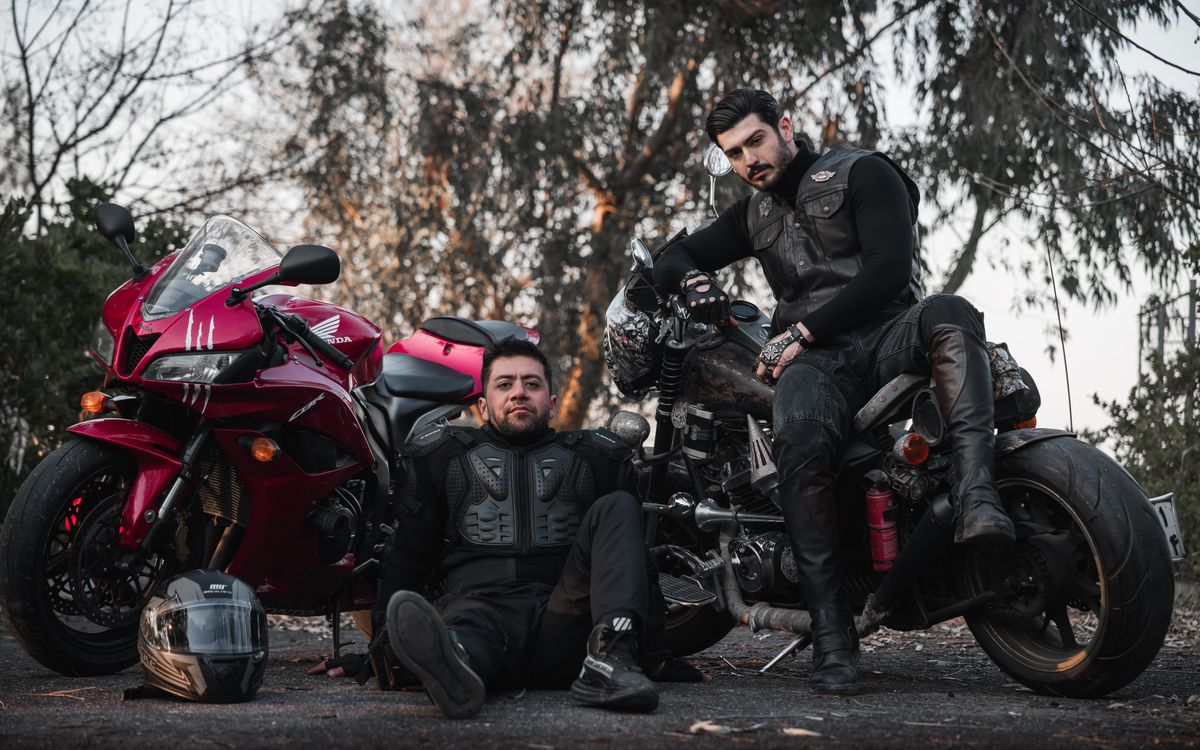
From that innovation came a legend. In 1928 the same company introduced the Perfecto motorcycle jacket, named after founder Irving Schott’s favourite cigar. Its most famous form, the One Star, was so called because of the single star set on each shoulder. At first it was simply rugged workwear for riders, but it was about to become something far bigger.
The Biker Jacket Becomes a Rebel Icon
The Perfecto did not truly catch fire until the late 1940s, when the black leather biker jacket became a symbol of rebellion and freedom. Originally cut from tough horsehide, it was launched into the popular imagination by The Wild One in 1953, with Marlon Brando glowering from the saddle, and it has been a fashion rebel ever since.
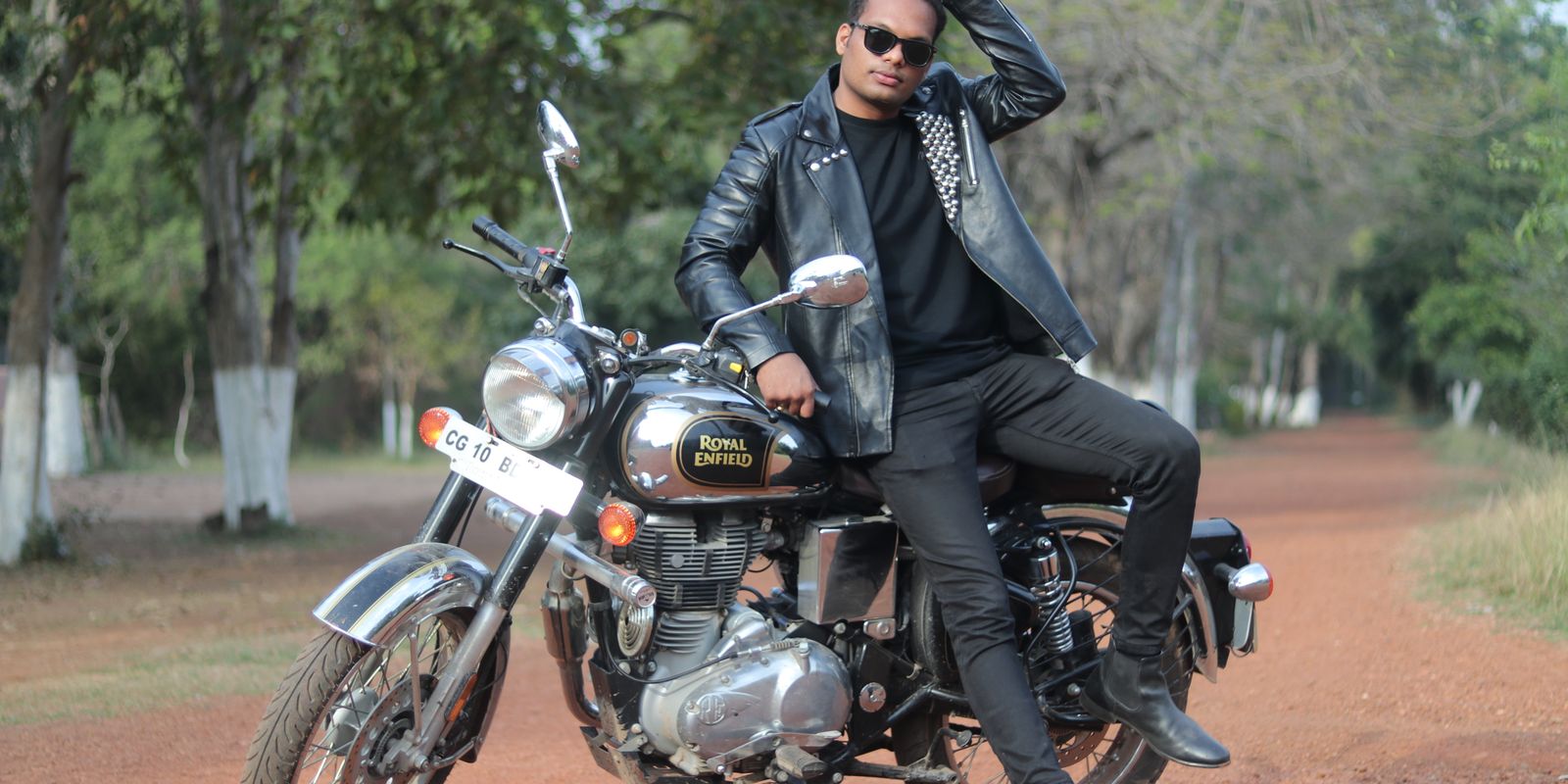
The screen kept the legend alive. The jacket appeared on James Dean in Rebel Without a Cause in 1955 and roared across the country in Easy Rider in 1969. When Dean died in a car crash in 1955, wearing a Perfecto at the time, the style became so charged with danger that many schools banned the jackets for years. Over the decades the black leather biker jacket attached itself to the hard rock scene of the late 1960s and early 1970s, to punk, and to the Hell’s Angels, who adopted it as their unofficial uniform. A classic like our black classic motorcycle jacket is a direct heir to that rebellious bloodline.
What is remarkable is how a single design absorbed so many contradictory meanings. The same jacket could stand for outlaw menace and for teenage cool, for the freedom of the open road and for the heat of a concert pit. Each subculture that adopted it added a new layer without ever erasing the last, until the black biker jacket became a kind of shorthand for independence itself. That is why it has never dated. It means rebellion in the broadest sense, and rebellion never goes out of style.
Wings and Warmth: The Aviator Jacket
Alongside the biker jacket, a second twentieth century icon took to the skies. The flight or aviator jacket of the 1940s was inspired by the Perfecto and manufactured for the United States Air Corps. It was serious equipment: fighter pilots of the 1940s were fully protected against the elements by their leather aviator jackets and trousers, high in freezing, open cockpits.
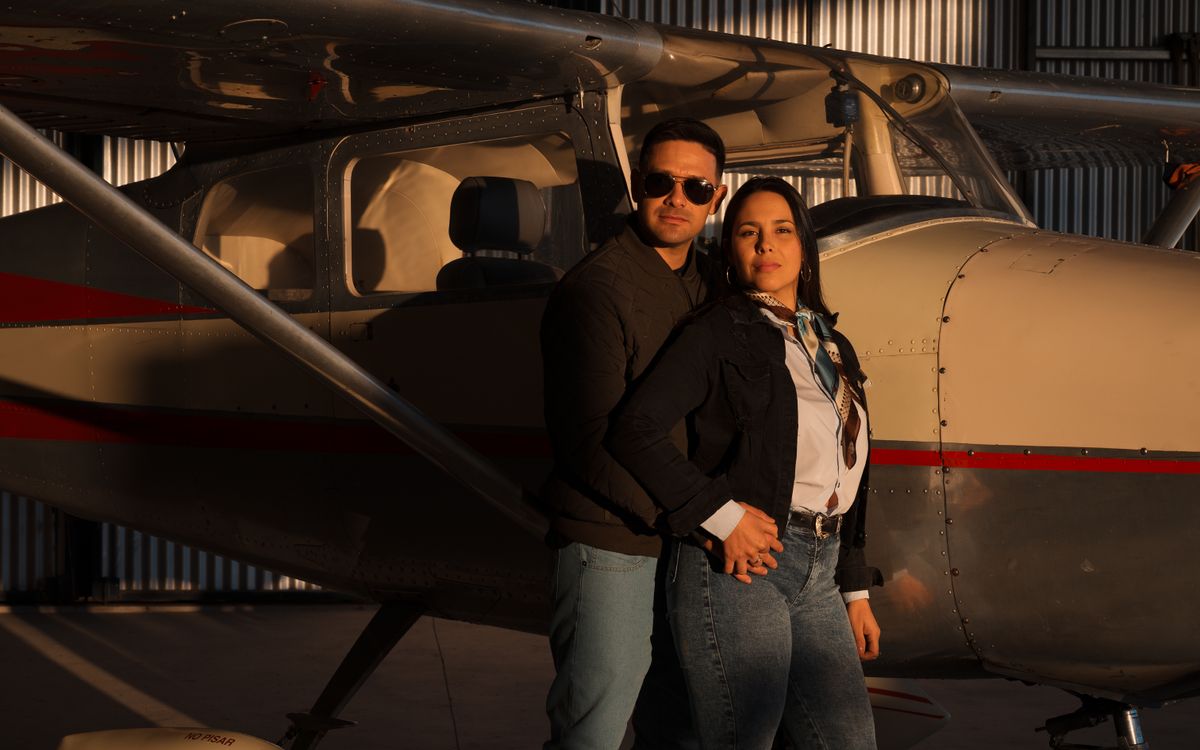
Its appeal reached the very top of the military. Even diehard army commanders, General Patton among them, wore aviator jackets during the Second World War. The silhouette is still instantly recognisable today and continues to lend its wearer a distinctive, slightly heroic image, which is exactly the spirit behind our RAF B-3 flight aviator jacket.
Part of that lasting appeal is a kind of practical honesty. The aviator jacket looks the way it does because every detail once had a purpose, from the deep shearling collar that could be turned up against the wind to the snug cuffs and hem that sealed in warmth at altitude. Even now, long removed from any cockpit, it carries the quiet authority of equipment built for a serious job. Wearing one is a little like wearing a piece of working history, which may be why the style has outlived every passing trend that tried to replace it.
A Revolution in Colour
The 1940s and 1950s brought one more great change, and it was all about colour. Until the early 1940s, both menswear and womenswear in leather were dominated by shades of tan, black, rust and brown. Then advances in the tanning process made brighter colours possible, among them red, green and yellow, and designers seized the chance to create multi coloured garments.

The experiments continued into the late 1950s and early 1960s. Bonnie Cashin became the first American designer to work extensively in leather and suede, and her fearless use of colours such as hot pink, red and mustard genuinely transformed the leather industry. Thanks to her and others like her, leather was no longer a sober, practical material. It had become a canvas for colour and expression, ready for the decades of reinvention still to come.
That shift mattered far beyond a handful of bright runway pieces. Once leather could hold any colour convincingly, it could follow fashion wherever it went, season after season, instead of being tied to a small range of earthy tones. A buyer could finally choose a leather jacket the way they would choose any other garment, by mood and palette as much as by practicality. The groundwork for every coloured leather jacket on sale today, from oxblood to electric blue, was quietly laid in those few experimental post war years.
Conclusion
Across the nineteenth and twentieth centuries, the leather jacket was remade again and again: industrialised by chemistry, sanctified in Native American ceremony, structured into the corset, refined into motoring and aviator wear, and finally crowned as the ultimate symbol of rebellion and style. Every leather jacket worn today carries a little of that long, layered history on its shoulders.
Frequently Asked Questions
Who invented chrome tanning?
Chrome tanning was invented by the American chemist Augustus Schultz during the nineteenth century. By using chromium salts, he reduced tanning time from weeks or months to only a few hours, which transformed leather production.
What is a Perfecto jacket?
The Perfecto is the original black leather biker jacket, introduced by the American company Schott Bros in 1928 and named after founder Irving Schott’s favourite cigar. The famous One Star version carries a single star on each shoulder.
Why were leather jackets banned in some schools?
After actor James Dean died in a car crash in 1955 while wearing a Perfecto, the jacket became so strongly linked with rebellion that many schools banned the style for years.
Who was Bonnie Cashin?
Bonnie Cashin was the first American designer to work extensively in leather and suede. Her bold use of colours such as hot pink, red and mustard in the late 1950s and early 1960s helped transform the leather industry.
The iconic cuts of the twentieth century are still made today — browse the Buneri leather jacket collection.