
With the turn of the new millennium, designers took leather to a higher level of creativity than ever before. They were inspired by new treatments, glazing, distressing, laser cutting, embossing and burnishing, and by a fresh palette of metallic colours. The early 2000s were less about a single silhouette and more about what the surface of a skin could be made to do. This is the story of leather jackets from 2000 to 2004, a short, restless stretch when the material became a laboratory.
In the early 2000s leather stopped being just something to wear and became something to experiment with.
2000: a new century of treatments
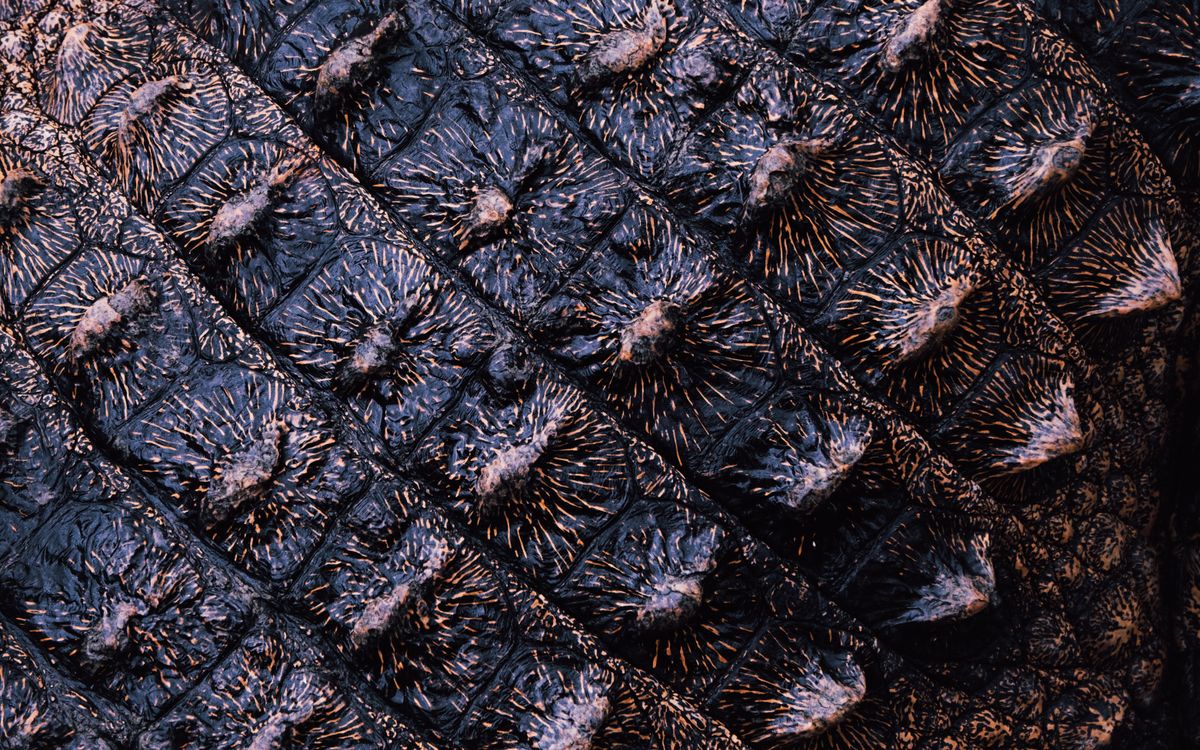
The decade opened with pure drama. Ann Demeulemeester sent a floor-length glazed leather dress down the catwalk that created a genuine sense of theatre, its gathered waist showing how beautifully leather can drape while suede detailing at the neckline played against the glazed black. Dolce and Gabbana kept their lines classic on a long tan coat and let an embossed crocodile pattern do all the talking. Alexander McQueen caused a sensation with a show-stopping laser-cut dress, the cutting following the shape of the buff-coloured garment right down to its zigzag hem.
Others chased texture rather than pattern. The Belgian designer Josephus Thimister created a long, luxurious shearling coat from skins given a metallic burnished treatment. Its shape was simple, relying on the seams that joined the cut skins to build the pattern, and instead of hiding the natural marks in the hides, Thimister kept them, which only added to the tactile richness of the coat. That same appetite for surface and finish lives on in a piece like the crocodile embossed real leather aviator jacket, where the texture is the whole point.
2001: distressed leather returns
The following year looked backward to move forward. Distressed leather, reminiscent of World War II bomber jackets, made a comeback, this time with a twist, in a 2001 sleeveless trench dress by the Italian manufacturer Bally. By translating the styling of a trench coat into distressed leather, Bally echoed the military origins of the design while making it feel entirely new.
Laser technology became more popular, and Jean-Paul Gaultier went a step further with a laser-cut shearling coat that showed how far the tool could be pushed. Some designers combined leather with other materials, and Valentino created a brown leather and wool trouser suit in which two natural materials worked beautifully together, the simplicity of the cut set off by the pattern of the wool. Meanwhile, less expensive skins continued to flood the market, and many moderately priced clothing makers seized the chance to add real panache to their collections. A rugged, lived-in jacket like the Belstaff Trialmaster waxed distressed field jacket carries that 2001 spirit of worn character with purpose.
2002: craftsmanship and understated raunch
By 2002 the mood split between fine craft and quiet provocation. Ferragamo lived up to its hallmark values of craftsmanship and superb design, creating classic styles cut from only the finest Italian leathers. One jacket looked simple in shape and colour yet revealed careful detailing, a gathered armhole with its construction exposed and a leather tie threaded through it, finished with a stamped leather belt. The Italian house had made shoes since the late 1800s and leather clothing since the 1970s, and it showed.
Others pushed the sex appeal. Julien McDonald for Givenchy and Alexander McQueen both leaned into the sexiness of leather, adding a touch of understated raunchiness. Givenchy cut close-fitting tan leather trousers with snakeskin buckled closures at the waist and turned knee reinforcement into decorative bands of stitching. McQueen paired a black corset trimmed with lace with a leather belt, shoulder straps and thigh-high leather boots. At the other end of the spectrum, John Galliano sought out traditional uses of leather for an over-the-top Native American inspired ensemble, decorating the seams of a shearling jacket with exaggerated stitches and bone buttons and adding rosettes at the sleeves and skirt. A sleek, close-cut piece such as the women’s purple sheepskin biker with metallic stud detailing channels that same confident 2002 energy.
2003: shearling and embellishment
Shearling stayed firmly on the catwalk in 2003, pulled in two different directions. The British designer Matthew Williamson borrowed from the Native American tradition with a shearling coat whose Pocahontas theme was painted straight onto the skin and finished with sequins. The American Zac Posen looked instead to World War II, cutting a shearling jumpsuit from distressed leather so cleverly that the seams themselves became the detailing.
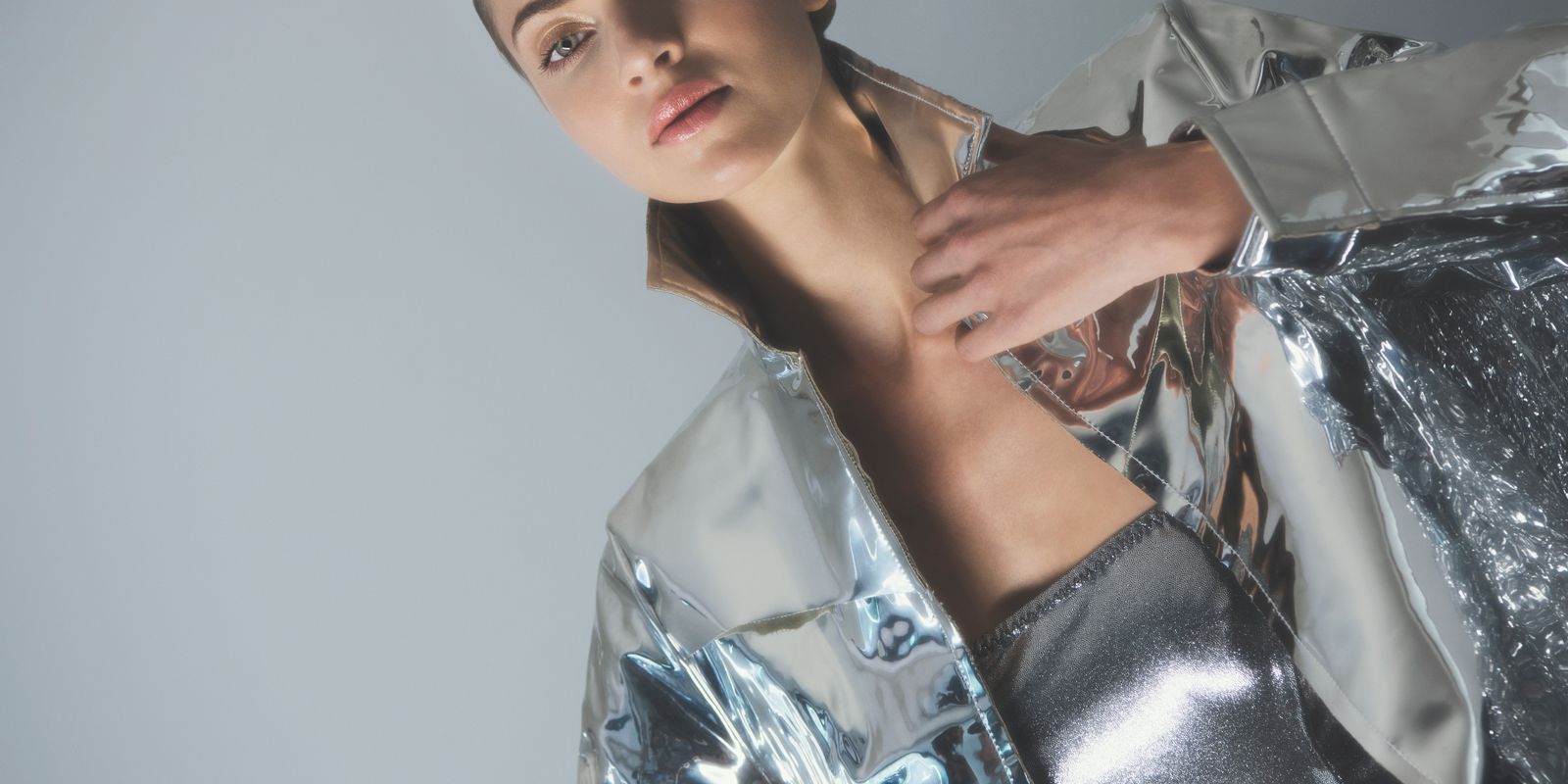
Established names explored decoration too. Since the 1960s Roberto Cavalli had built a reputation on luxury leathers with a sexy edge, and he proved it again with a multi-coloured leather top laced with corset-like lines of stitching, worn with skintight brown leather trousers and purple leather opera gloves. Michael Kors, a name usually tied to classic looks, took grey marbled leather and embellished the edges of a zipped coat with metal ornaments. This love of embellishment and metallic finishes is exactly what a piece with bold metallic hardware celebrates, the surface treated as decoration in its own right.
2004: animal prints and exotic skins
Designers have always chased anything new and different, and in 2004 animal prints and exotic skins took centre stage. Dolce and Gabbana designed a black patent eelskin jacket, its many painstakingly pieced-together seams adding a real touch of luxury, and paired it with a rabbitskin skirt printed with a cheetah pattern. Other designers working solely in leather, including Hermes and Jordan Betten of Lost Art, created original designs for their chosen niche markets.
Betten in particular tied leather back to music, especially rock and roll. His made-to-measure leather clothing and accessories are never sewn by machine. Instead every seam is sewn by hand with a labour-intensive hand-lacing technique, and he refuses to sell to retail stores, guaranteeing exclusivity. Rock star Sheryl Crow was seen in his leather trousers with feather trim and his trademark handstitched seams. At the same time, Alexander McQueen looked to the future, creating a space-age trapunto leather jacket that felt like a glimpse of what was coming next.
How to wear early 2000s leather now
You do not need a runway to borrow from this era, only a little restraint. For the treatment-led side of the 2000s, let one textured piece lead, an embossed, glazed or metallic jacket worn over plain black or deep denim so the surface stays the story. Keep jewellery quiet and let the leather catch the light on its own.
For the distressed, military-tinged mood of 2001, pair a waxed or worn jacket with soft neutral knitwear and straight trousers, so the polish of the outfit balances the ruggedness of the skin. And for the sexier 2002 line, a slim, close-cut jacket over a simple top does all the work, sharp shoulders and a clean zip saying more than any logo. The lesson of the early 2000s still holds: leather looks best when the piece is bold and everything around it stays calm.
What the early 2000s gave leather
The years from 2000 to 2004 handed leather a new toolkit. Glazing, burnishing, laser cutting and embossing turned the surface into a design element, metallic colours pushed it forward in time, and exotic prints gave it drama. At the same time cheaper skins spread the look far beyond couture, so the experiments on the runway reached ordinary wardrobes faster than ever. It was a period of pure invention, and much of what feels modern about leather now was tried out first in these five years.
Conclusion
From Demeulemeester’s glazed drama to McQueen’s laser cuts, from Bally’s distressed trench to Dolce and Gabbana’s eelskin, the early 2000s treated leather as a material without limits. Craft, sex appeal, embellishment and technology all pulled at it at once, and it answered every call. Every treated, textured or metallic leather jacket worn today is a direct descendant of this restless, inventive stretch of the twenty-first century.
Frequently asked questions
What made 2000s leather jackets so different?
The new century brought a wave of technical creativity. Designers reached for glazing, distressing, laser cutting, embossing and burnishing, along with new metallic colours. Leather stopped being just a material and became a canvas for treatments, which is why the early 2000s feel so experimental compared with the decades before.
Why did distressed leather come back in 2001?
Distressed leather returned in 2001 with a nod to World War II bomber jackets, but with a modern twist. Bally translated the idea into a sleeveless trench dress, and as laser technology spread, designers like Jean-Paul Gaultier pushed it further with a laser-cut shearling coat. The worn, lived-in look felt fresh again.
Which designers led leather in the early 2000s?
A long list. Alexander McQueen, Dolce and Gabbana, Ann Demeulemeester, Jean-Paul Gaultier, Valentino, Ferragamo, Givenchy, John Galliano, Roberto Cavalli and Michael Kors all worked leather hard, while niche makers like Hermes and Jordan Betten of Lost Art built whole identities around it.
What were the big leather trends of 2004?
Animal prints and exotic skins took centre stage. Dolce and Gabbana showed a black patent eelskin jacket with a cheetah-printed rabbitskin skirt, Betten kept leather tied to rock and roll with hand-laced pieces, and Alexander McQueen looked to the future with a space-age trapunto jacket.
Y2K style is back — find your fit in the Buneri men’s leather jacket collection.