

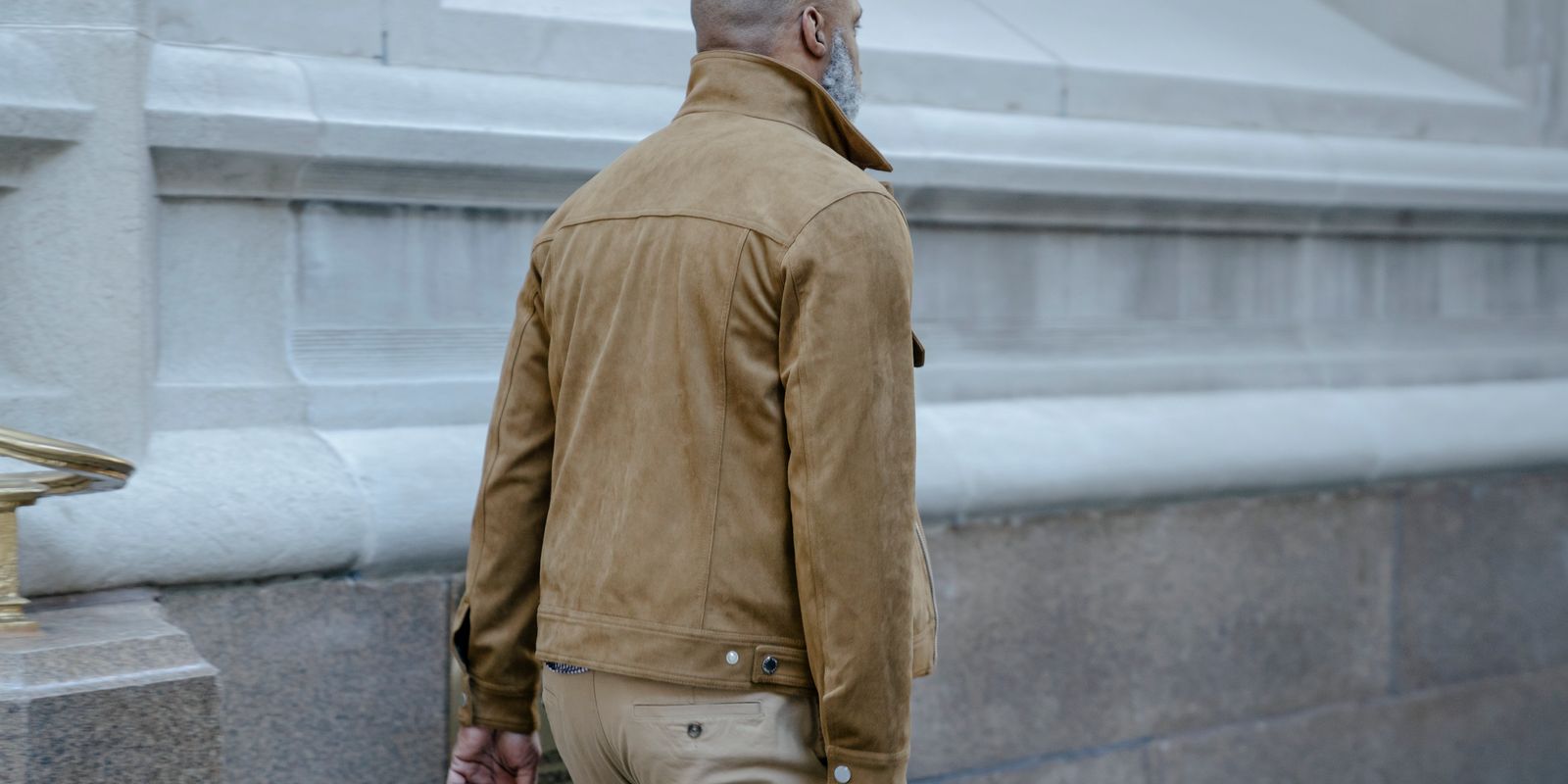
Walk into leather shopping cold and the labels can feel like a foreign language. Nappa, nubuck, suede, shearling, top-grain, full-grain: they all sound like they mean something important, and they do, but nobody ever explains them plainly. If you have ever stood in front of a jacket wondering what it is actually made of, this guide is for you. We will go through the main types of leather for jackets one by one, in normal words, so you know exactly what you are buying, how each one feels, and how to look after it. At the end you will also know precisely what a Buneri jacket is made of and why.
Leather is not one material. It is a whole family of finishes made from animal hide, and the finish decides almost everything: how the jacket feels, how warm it is, and how much care it needs.
What Is a Leather Jacket Actually Made Of?
At its simplest, a leather jacket is made from animal hide that has been tanned. Tanning is the process that turns raw skin into a stable, flexible material that will not rot. The most common hides used for jackets are sheep, cow and goat, and each behaves differently.
Sheepskin is soft, light and supple, so it drapes beautifully and feels comfortable straight away. Cowhide is thicker and tougher, which makes it the classic choice for heavy-duty biker jackets that need to take a beating. Goatskin sits somewhere in between, with a slightly pebbled surface and good durability.
But the animal is only half the story. The other half is the finish, which is what the tannery does to the surface of the hide after tanning. The same sheepskin can be finished smooth and glossy, buffed into a soft nap, or left with a natural grain. This is where all those confusing names come from, so let us take them in turn.
Nappa Leather Explained
Nappa is not a type of animal. It is a way of finishing leather to make it especially soft, smooth and supple. The name refers to full-grain or top-grain leather, usually from sheep or lamb, that has been tanned and dyed to keep a fine, even, buttery surface.
What people notice first about nappa is how soft it feels in the hand. It has very little visible texture, a clean smooth face, and it tends to be lightweight. That is why it turns up on soft jackets, gloves and premium car seats. The trade-off is that a very soft, smooth finish can show scratches and scuffs a little more readily than a heavily grained leather, so it rewards gentle handling.
If softness and a clean, smooth look are what you want in a jacket, this family of finishes is the one to understand. A soft, close-fitting cut shows it off best. The Men Sheepskin Classic Biker Leather Jacket Black is a good example of how supple sheepskin leather can look sharp and sit close to the body without feeling stiff.
Nubuck vs Suede: The Soft, Velvety Finishes
Here is where a lot of people get confused, because nubuck and suede look similar at a glance. Both have that matte, velvety, brushed surface with no shine. The difference is which part of the hide they come from.
Nubuck is made by lightly sanding the outer, top-grain surface of the leather. Because it starts from the strongest, outermost layer, it keeps much of the toughness of full leather while gaining a fine, short, dense nap. It feels firm and looks refined.
Suede is made from the softer underside of the hide, or from a split inner layer. Its nap is longer, looser and more open, which is why suede feels softer and looser than nubuck. A suede jacket has that relaxed, casual, slightly rugged character.
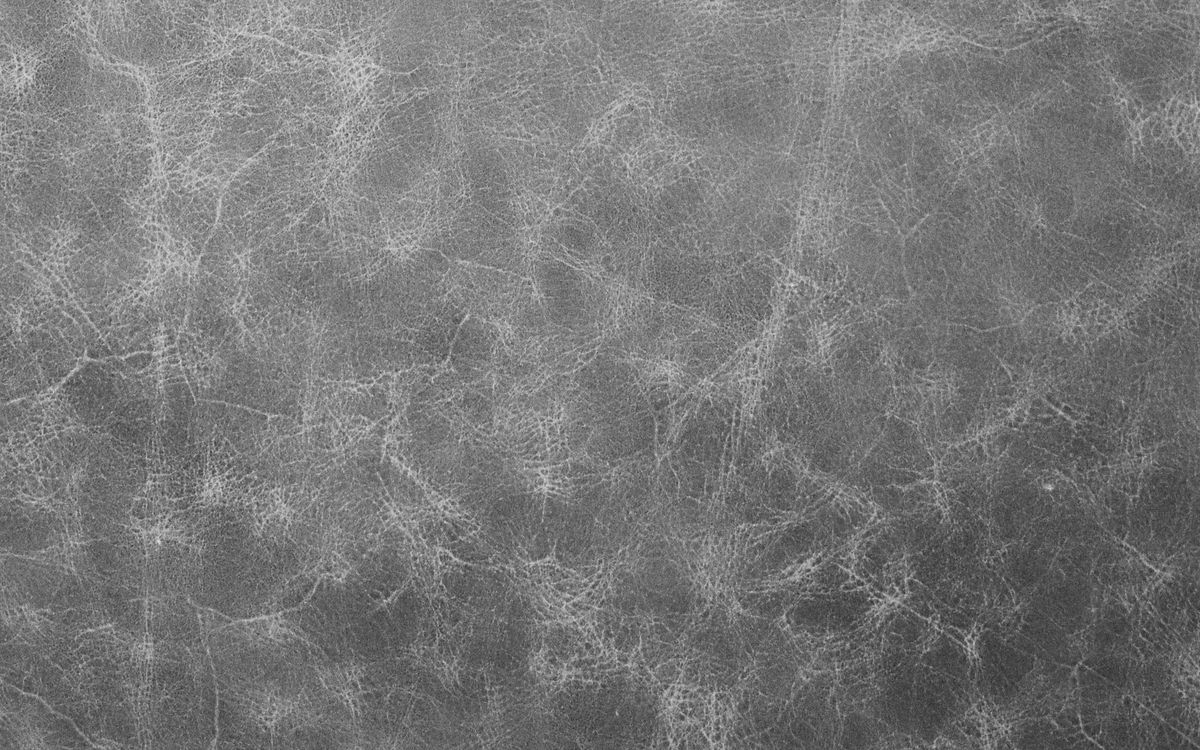
The catch with both is care. That open, brushed surface soaks up water and marks more easily than smooth leather, so both dislike heavy rain and need a protective spray and a soft brush to stay looking good. If you love the matte texture but want something more hard-wearing, nubuck is the tougher of the two. For everyday reliability, though, many people prefer the ease of a smooth, close-grain sheepskin leather like the Men Classic Bomber Sheepskin Leather Jacket Black, which shrugs off light weather far better than a brushed finish.
What Is Shearling?
Shearling is the cosy one. It is a sheepskin that has been tanned with the wool still attached, so one face is smooth leather and the other is thick, soft fleece. The wool traps warm air against the body, which is why the classic aviator and flight jackets of the past were lined with it.
Real shearling has two downsides: it is heavy, and it is demanding to clean, because you are effectively caring for leather and wool at the same time. That is why so many warm jackets today use a faux fur lining instead. A good premium faux fur gives you the same snug, cold-weather warmth and the same soft collar or lining, with less weight on the shoulders and far simpler care.
This is exactly the approach Buneri takes. Where a jacket needs warmth or a soft collar, it uses a premium faux fur, so you get the cosy look and feel without the bulk or the upkeep of animal shearling.

What Buneri Jackets Are Made Of
Now the simple part. Every Buneri jacket is made from real sheepskin leather. Sheepskin is chosen on purpose, because of everything above: it is naturally soft, light and supple, so it drapes on the body, breaks in quickly and stays comfortable through a long day. It gives you the soft hand of the smooth-finish leather family without the fragility of a brushed suede or nubuck.
Where a jacket has a fur trim, a collar or a lining, that fur is always a premium faux fur, never animal shearling or real fur. That keeps the jacket lighter, easier to care for, and consistent from piece to piece.
A women’s cut shows off that soft sheepskin character particularly well. The Women Classic Biker Sheepskin Leather Jacket has the clean lines of a classic biker with the supple drape that only real sheepskin gives, so it moulds to your shape rather than standing away from it.
How to Tell the Leather Types Apart: A Quick Checklist
Next time you are looking at a jacket, run through this short list to work out what you are holding:
- Look at the surface. Smooth and even means a nappa-style finish. Matte and velvety means suede or nubuck. Wool on the inside means shearling or a fur lining.
- Touch the nap. A short, firm, dense brushed feel points to nubuck. A longer, softer, looser nap points to suede.
- Feel the weight. Soft and light usually means sheepskin. Heavy and stiff usually means thick cowhide. Very heavy and warm means real shearling.
- Check the flex. Supple leather that folds easily and springs back is a sign of good, soft hide. Board-stiff leather has often been heavily coated.
- Read the label and ask. A trustworthy seller will tell you the hide and the finish plainly. If a fur is faux, it should say so, as Buneri’s always does.
- Think about care. Smooth leather wipes clean easily. Suede and nubuck need a spray and a brush. Shearling needs specialist cleaning.
A Word on How Buneri Jackets Are Made
Beyond the material, it helps to know how the jacket reaches you. Every Buneri piece is hand-made to order in Buneri’s own workshop in Karachi, then shipped by courier directly to you, which takes around fourteen days from order, roughly seven days to make and seven to ship. Shipping is free, any customs and import taxes are covered, made-to-measure is free if you want the fit exact, and there is a thirty-day return window if the jacket is not right for you.
The Bottom Line
Once you know the language, leather stops being intimidating. Nappa is a soft, smooth finish; nubuck and suede are the matte, velvety finishes from different layers of the hide; shearling is sheepskin with the wool left on for warmth. Each has its place, its feel and its care routine. For a jacket you can wear all year, that stays soft, light and low-maintenance, real sheepskin leather is the versatile all-rounder, which is exactly what every Buneri jacket is built from, finished with premium faux fur wherever warmth is needed. Now you can read any leather label with confidence.
Frequently Asked Questions
What material is a leather jacket made of?
A leather jacket is made from tanned animal hide, most often the skin of a sheep, cow or goat that has been cleaned, treated and finished into a durable, flexible material. The exact feel depends on two things: which animal the hide comes from and how it is finished at the tannery. Sheepskin is prized for jackets because it is naturally soft, light and supple, which is why it drapes so well on the body. Cowhide is thicker and tougher, so it is common on heavy biker jackets. Once the hide is tanned it can be finished in different ways, smooth and polished like nappa, buffed into a velvety nap like nubuck, or split and brushed into suede. Every Buneri jacket is made from real sheepskin leather, chosen specifically for that soft, natural drape.
What is the difference between nubuck and suede?
Both nubuck and suede have a soft, velvety surface, but they come from different layers of the hide. Nubuck is made by lightly sanding the outer, top-grain surface of the leather, so it keeps much of the strength of full leather while gaining a fine, close nap. Suede is made from the softer underside of the hide, or from a split layer, and has a longer, looser, more open nap. In practice nubuck feels slightly firmer and more hard-wearing, while suede feels softer and more delicate. Both absorb water and marks more easily than smooth leather, so both need a little more care. If you like the matte, brushed look, nubuck is the more robust of the two.
What is shearling?
Shearling is a sheepskin that has been tanned with the wool still attached, so one side is smooth leather and the other is soft, dense fleece. It is warm because the wool traps air against the body, which is why traditional aviator and flight jackets used it. True shearling is heavy and expensive, and it needs careful cleaning. It is worth knowing the difference between real shearling and a faux fur lining that gives a similar cosy look with less weight and easier care. Buneri jackets are made from real sheepskin leather, and where a jacket has a fur trim or lining it is a premium faux fur, not animal shearling.
Which type of leather is best for a jacket?
There is no single best leather, only the best leather for what you want. For an everyday jacket that is soft, light and easy to wear, a smooth sheepskin leather is hard to beat, because it drapes well, breaks in quickly and moulds to your shape. For a rugged, hard-use jacket, thicker cowhide lasts through rough treatment. Suede and nubuck are lovely for a softer, more casual look but ask for more careful handling and dislike heavy rain. Shearling and faux fur linings are the warm option for cold weather. If you want one jacket that balances softness, comfort and year-round wearability, a well-made sheepskin leather jacket is the safe, versatile choice, which is exactly what Buneri specialises in.