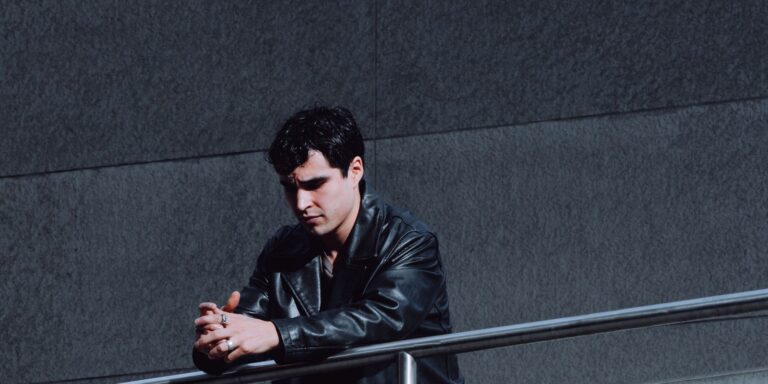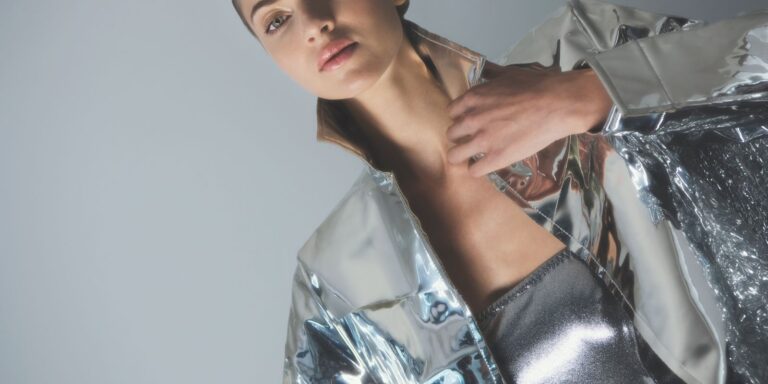

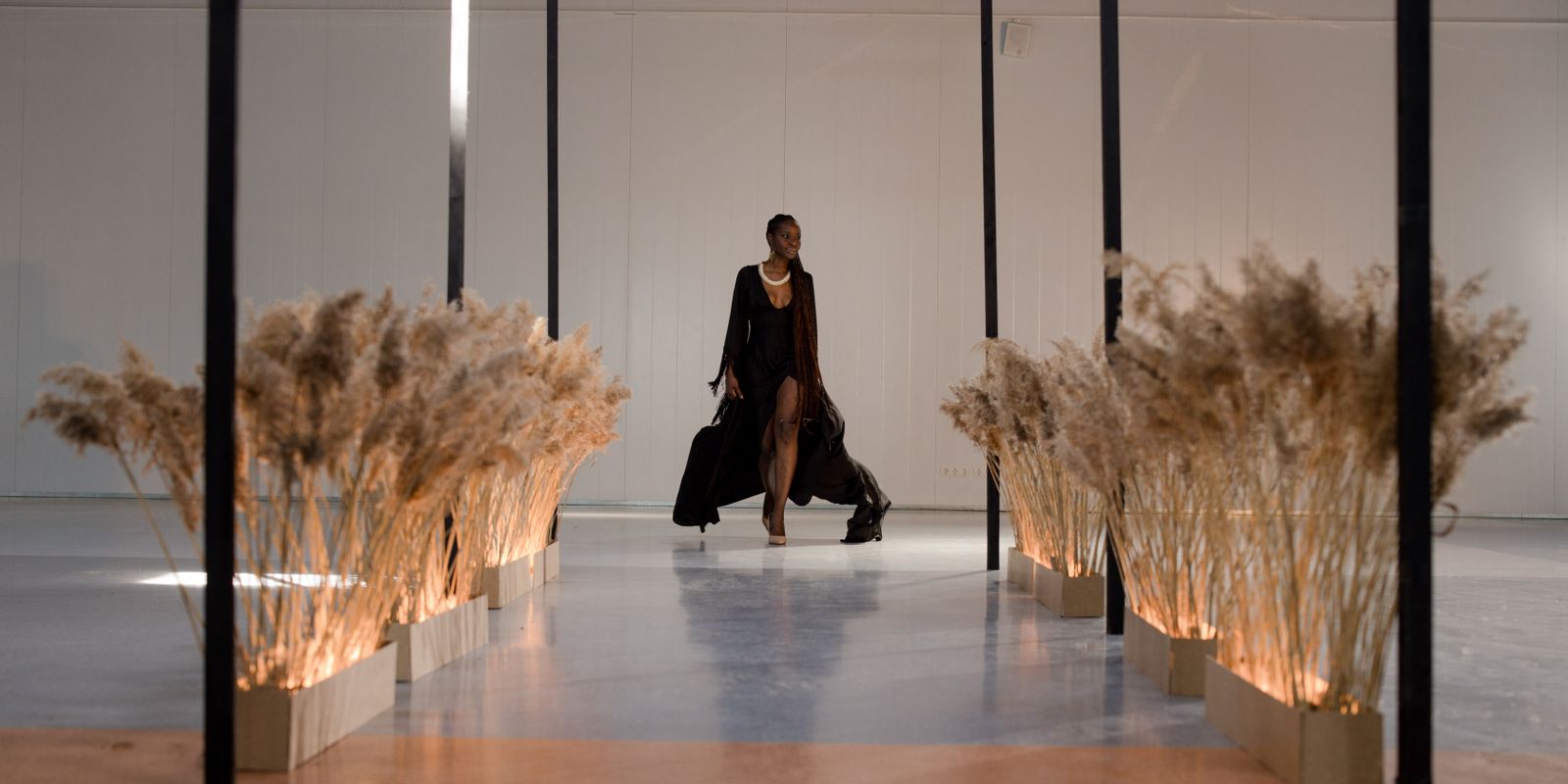
If the 1980s taught leather to shout, the 1990s taught it to whisper. This was the decade when the material grew quiet and confident, when designers stopped piling on volume and started chasing fit, finish and feel. The story of 1990s leather jackets is really the story of a craft growing up, helped along by tanneries that became creative partners rather than mere suppliers. Here is how leather found its polish across the decade.
In the nineties leather stopped trying to be loud and learned how to look quietly expensive.
Designers and tanneries join forces, 1990 to 1993
The decade opened with a quiet revolution behind the scenes. European designers began working one on one with tanneries, and novelty skins became popular as mills in Italy and France competed to create looks no one else could offer. Italian tanneries, working closely with Versace and Armani, experimented with new colours, prints and treatments, while French tanneries worked with French designers to produce some of the thinnest and most subtle skins ever made.
That partnership changed what leather could do. Leading houses kept folding it into their collections, even at couture level. Gucci, long known for accessories, branched out into leather clothing. Thierry Mugler created some of the boldest, most provocative leather pieces of the moment, often dominatrix inspired, while Jil Sander took the opposite road with a calm, classic approach. As the decade moved on, established names like Christian Lacroix embraced leather too. Lacroix had never used it before, yet his beautifully crafted 1992 jacket gave nothing away, and he even added a luxurious snakeskin trim. Newer talents such as Azzedine Alaia and the American designers Isaac Mizrahi and Byron Lars brought a sense of whimsy to their leather designs.
A piece like the classic black lambskin overcoat carries that early nineties spirit, the clean, quietly luxurious line that Jil Sander made the decade love.
Sexy or classic, the middle of the decade, 1994 to 1997
By the mid nineties leather had settled into a clear split, sexy or classic, and the best designers played both sides. Claude Montana kept using it to cut the fashionable silhouette of the day, while Gianfranco Ferre, famous for his crisp architectural blouses, designed classic styles and ventured into leather in 1994 with beautifully cut, high waisted, cream coloured suede gaucho trousers. Gianni Versace, meanwhile, used leather to deepen his reputation for some of the sexiest clothes on the catwalk, and Fendi held a prominent place season after season.
The mood could also turn dark and pared down. Some designers, including Fendi, Ann Demeulemeester and Gucci, used leather’s natural give to build a perfect fit for an increasingly minimal silhouette, while Thierry Mugler kept flirting with the bad girl theme. In 1997 the Belgian designer Ann Demeulemeester created real goth magic with a chic, black, floor length leather dress that showed how serious and sculptural the material had become.
A modern echo of that sex appeal is the women’s mid night asymmetric slim fit leather jacket, all sharp lines and confidence, exactly the kind of piece the nineties catwalk loved.

Shearling and quiet luxury, 1998 to 1999
The decade closed on warmth and softness. Leather, suede and shearling had a slot in almost every European designer’s collection during the late 1990s. Ungaro showed a lush grey shearling jacket and Celine an exquisite tan lambskin coat, the kind of pieces that felt expensive without trying. Marni offered a strong contrast with a pared down brown leather funnel neck coat, proof that minimalism and luxury could share the same rail.
Shearling, in particular, became the comfortable face of the decade’s end, a material you could sink into that still read as refined. A coat like the black shearling trimmed double breasted leather coat carries that late nineties balance of warmth and polish straight into a modern winter.

What the 1990s left behind
The nineties gave leather its sense of restraint. The decade proved that a jacket did not need studs or volume to feel powerful, only a clean cut and a beautiful skin. It also tied designers and tanneries together for good, so the material kept improving year after year. Slim tailoring, soft shearling and quietly luxurious overcoats all trace back to these ten years, when leather stopped shouting and learned to speak softly.
Conclusion
From Versace’s sex appeal to Jil Sander’s calm lines to Ungaro’s grey shearling, the 1990s turned the leather jacket into something subtle and grown up. Designers leaned on better skins and sharper fits, and the result still shapes how we wear leather now. Every clean, well cut leather piece in a modern wardrobe owes a quiet debt to the nineties.
Frequently asked questions
What changed for leather in the 1990s?
European designers began working one on one with tanneries, so the material itself improved. Italian tanneries developed new colours, prints and treatments with houses like Versace and Armani, while French tanneries produced some of the thinnest and most subtle skins ever, which let leather move and drape like fine cloth.
Which designers defined 1990s leather?
Many. Versace pushed leather toward sex appeal, Jil Sander and Celine took a clean classic route, Thierry Mugler explored a bolder bad girl theme, and Gucci moved from accessories into leather clothing. Christian Lacroix, Gianfranco Ferre, Fendi, Ann Demeulemeester, Ungaro and Marni all worked it into their collections.
Why did shearling matter in the late 1990s?
By 1998 and 1999 leather, suede and shearling had a place in almost every European collection. Ungaro showed a lush grey shearling jacket and Celine an exquisite tan lambskin coat, while Marni offered a pared down brown funnel neck for contrast. Shearling became the warm, luxurious face of the decade’s end.
What is the 1990s leather look today?
It is cleaner and more refined than the decades before it. Think slim sleek jackets, classic lambskin overcoats and soft shearling, pieces built on fit and quality rather than hardware. It is the moment leather learned to look quietly expensive.
The best of 90s style lives on in the Buneri women’s leather jacket collection.