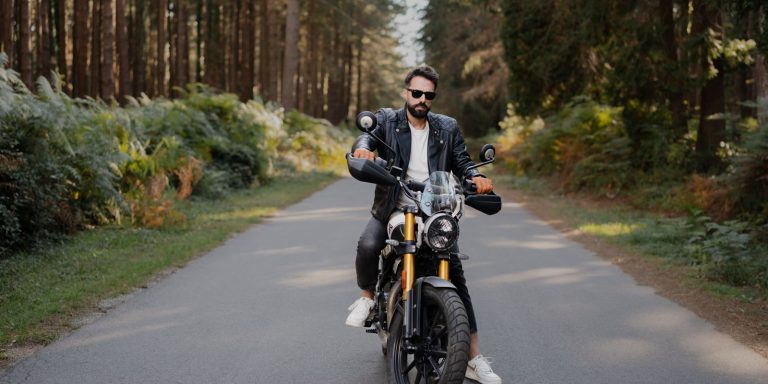


Every leather jacket shopper eventually hits the same fork in the road: lambskin or cowhide. The two materials look similar in a product photo and both count as genuine leather, but they behave completely differently on your body, in the wash of a rainy commute and after five years in a closet. Knowing what actually separates them turns a guessing game into a five minute decision.
Lambskin is leather that feels like it already broke in. Cowhide is leather that is still breaking you in.
What Animal Is a Leather Jacket Made From?
The short answer is that most leather jackets come from one of four animals: cattle, sheep or lambs, goats, or occasionally buffalo. Cowhide dominates the market simply because cattle hides are large, consistent and available in enormous volume, which keeps costs manageable for a full size jacket panel. Lambskin and sheepskin come from a smaller, softer hide, which is exactly why jackets made from it feel so different in the hand.
Goatskin shows up less often but has a loyal following for its natural grain pattern and a strength to weight ratio that sits between lambskin and cowhide. Buffalo hide is the least common of the four, reserved mostly for heavy duty biker jackets where maximum thickness and abrasion resistance matter more than anything else. When a jacket description just says “genuine leather” without naming the animal, that is worth a follow up question, because the source animal changes almost everything about how the jacket will look, move and age.
Why the Animal Matters More Than the Color
Two jackets can look identical on a rack, same black finish, same biker silhouette, same zippers, and still behave in completely different ways depending on whether the hide came from a lamb or a cow. The animal determines hide thickness, fiber density and how tightly the grain is packed, and all three of those things decide how the jacket drapes, how it resists scuffs, and how long it takes to break in.
Lambskin Leather Jackets: Soft, Light and Buttery
Lambskin is prized above almost anything else for how it feels straight out of the box. The fibers are fine and tightly packed but the hide itself is thin, so a lambskin jacket drapes close to the body, moves with you and never feels stiff, even on the first wear. There is no lengthy break in period the way there often is with a thick cowhide biker jacket, since lambskin is already soft when it leaves the tannery.
That softness comes with a trade off. Lambskin scuffs and scratches more easily than cowhide, and it is not the material you want on a jacket that is going to rub against a motorcycle seat or a rough brick wall every day. It also tends to run a little warmer for its weight relative to bulk, since the tight fiber structure traps a surprising amount of body heat despite how light the jacket feels.
A jacket like the Buneri Classic Sheepskin Men’s Leather Trucker Jacket shows exactly why lambskin has such a following: the trucker silhouette needs a hide soft enough to move naturally at the shoulders and collar, and lambskin delivers that from the very first wear, no stiff break in period required.
Cowhide Leather Jackets: Thick, Tough and Built to Last
Cowhide is the workhorse of the leather world. It is thicker than lambskin by a meaningful margin, usually somewhere between one and a half and two millimeters for a finished jacket panel compared to under a millimeter for lambskin, and that extra thickness translates directly into abrasion resistance. A cowhide jacket can take years of daily wear, backpack straps, weather and the occasional scrape without showing much for it, which is exactly why it dominates the classic biker and cafe racer categories.
The trade off runs the other way from lambskin: cowhide needs a genuine break in period. A brand new cowhide jacket often feels stiff at the shoulders and cuffs for the first few weeks of regular wear, and that stiffness only fully disappears once the fibers relax with body heat and movement. Owners who push through that early stiff phase are usually rewarded with a jacket that molds to their exact shape and lasts for decades.
The Buneri Antique Brown Leather Cafe Racer Biker Jacket is a good example of cowhide doing what it does best: a substantial hide that holds its shape through the shoulders, resists daily wear and only looks better as the antique brown finish develops a bit of natural character over time.
Lambskin vs Cowhide: A Direct Comparison
Laid side by side, the practical differences come down to five factors that matter for almost every buyer.
- Weight. Lambskin is noticeably lighter, often 30 to 40 percent lighter than a cowhide jacket in the same style, which matters if you are wearing it for long stretches or traveling with it.
- Break in time. Lambskin needs little to none. Cowhide typically needs two to six weeks of regular wear before it fully relaxes.
- Durability under abrasion. Cowhide wins clearly here, since its thicker fiber structure resists scuffing, scratching and general wear far better than the finer, thinner lambskin.
- Drape and comfort. Lambskin wins here, falling and moving closer to fabric than to armor from the very first wear.
- Typical price for the same style. Lambskin is frequently, though not always, priced a little higher for an equivalent jacket, since smaller hides and softer processing raise material costs even though the animal itself yields less usable leather per hide.
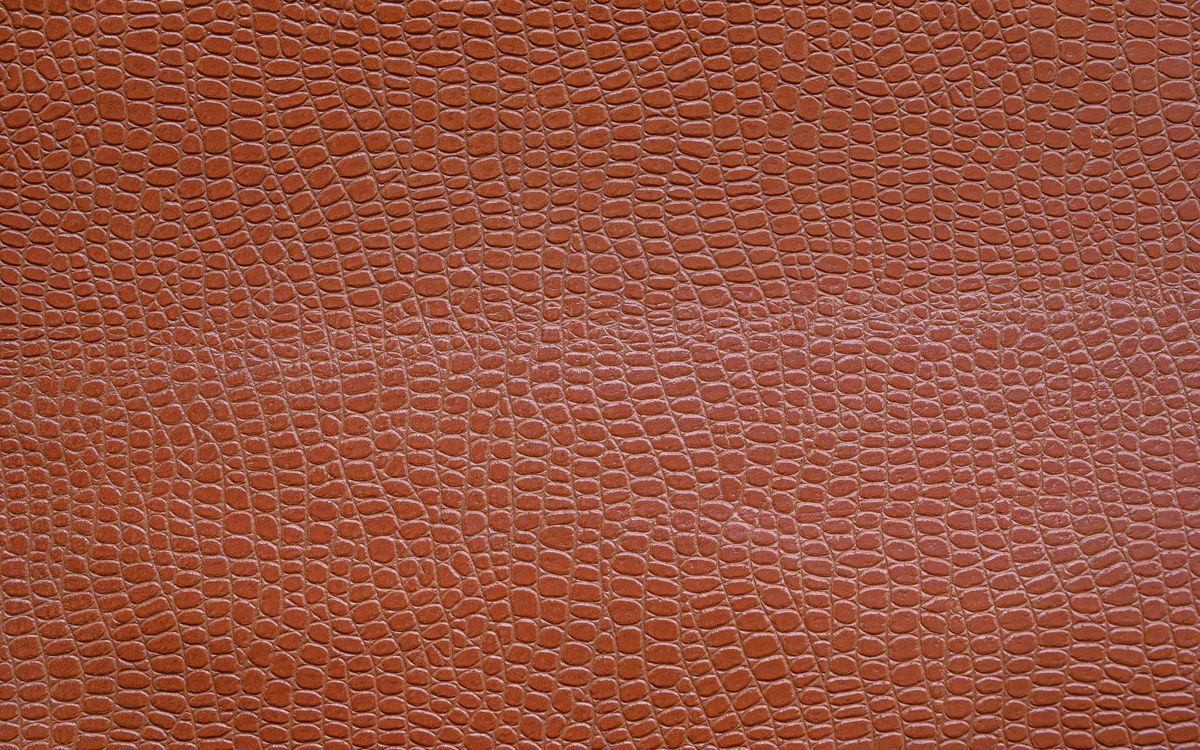
Look closely at a swatch of each and the grain tells the story before you even touch it. Lambskin shows a fine, tight, almost velvety texture with very small, evenly spaced pores. Cowhide shows a slightly coarser surface with a more visible, more randomly spaced pore pattern, which is part of why cowhide often takes an embossed or pebbled finish so well.
Which Leather Jacket Is Best for You?
The honest answer depends entirely on how you plan to wear it, not on which leather is objectively “better.” A commuter cyclist, a motorcycle rider, or anyone who wears a jacket hard almost every day gets more real world value out of cowhide, since the extra thickness genuinely extends the life of the jacket under repeated stress. Someone buying a jacket primarily for going out, layering over an outfit, or wearing occasionally in milder weather usually gets more enjoyment out of lambskin, since the lighter weight and immediate softness make it more pleasant to wear from day one.
If durability under real, repeated abrasion is the priority, cowhide is simply the more sensible material, and a jacket like the Buneri Black Slim Fit Motorcycle Leather Jacket is built around exactly that priority: a slim cut that still carries enough hide thickness to handle a motorcycle seat, a daily commute or years of regular wear without the surface breaking down.
There is no wrong choice here, only a mismatch between the leather and how the jacket will actually be used. A cowhide jacket bought purely for its soft feel will disappoint during the stiff break in weeks. A lambskin jacket bought for hard daily motorcycle use will show wear faster than its owner expects. Match the leather to the job first, and the styling decisions become easy after that.
How to Tell Lambskin from Cowhide: A Practical Checklist
- Pick it up. Lambskin feels distinctly lighter for its size. Cowhide has real heft even before you put it on.
- Flex a section of the hide. Lambskin folds and moves easily with almost no resistance. Cowhide pushes back and holds more of its shape.
- Check the grain up close. Lambskin shows a fine, tight, velvety texture. Cowhide shows a coarser, more visible pore pattern.
- Smell it, briefly. Lambskin tends to have a subtler, milder leather scent. Cowhide often has a stronger, more traditional “leather shop” smell.
- Compare the price to similar styles. If a jacket is priced noticeably above comparable cowhide pieces in the same silhouette, ask directly whether it is lambskin.
- Ask about the lining and weight in grams if it is listed. Retailers who know their materials will usually state the hide type plainly rather than hiding behind “genuine leather.”
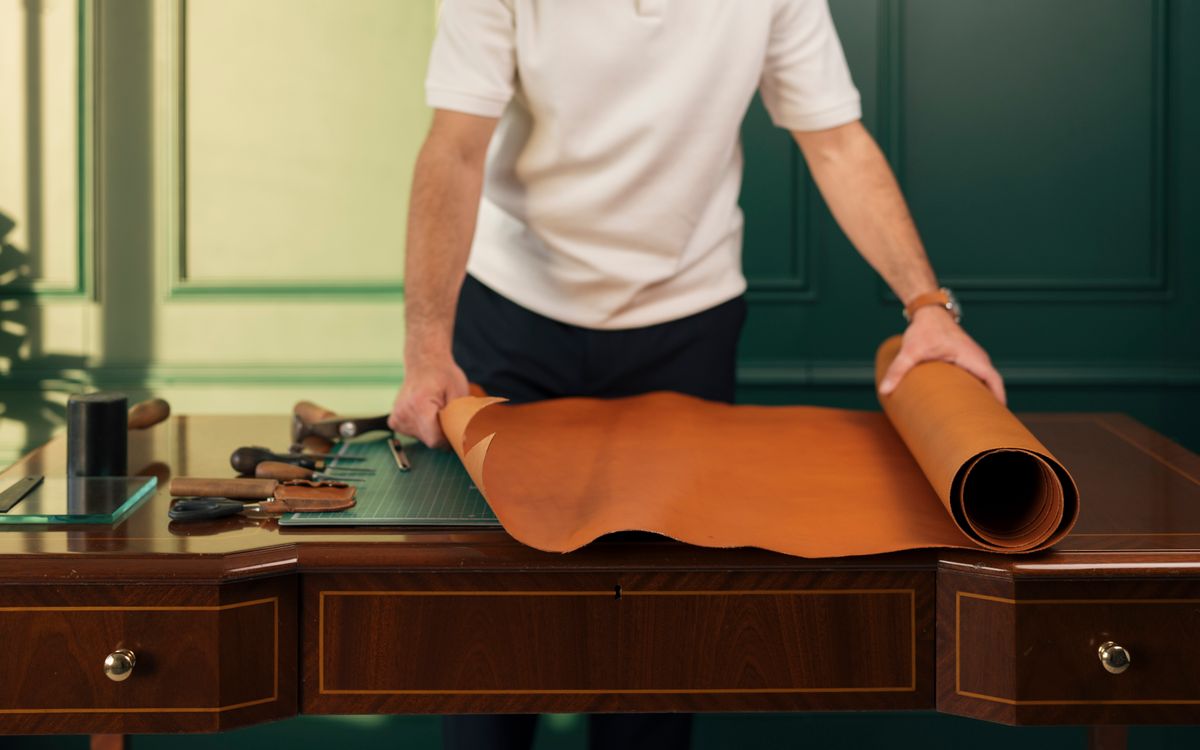
A good tannery and a careful cutter matter almost as much as the animal itself. A well tanned lambskin jacket from a reputable maker will often outlast a poorly finished cowhide jacket from a rushed production run, so treat the hide type as one important factor among several, not the only thing that decides quality.
Conclusion
Lambskin and cowhide are not competing for the same title, they are built for different lives. Lambskin gives you softness, light weight and a jacket that feels finished the moment you put it on, which is exactly right for fashion first wear. Cowhide gives you thickness, resistance to daily abrasion and a jacket that rewards a few weeks of patience with decades of use, which is exactly right for anyone who wears their jacket hard. Once you know which one matches your daily reality, choosing between a specific lambskin piece and a specific cowhide piece stops being a gamble and starts being a simple, informed decision.
Frequently asked questions
Is lambskin or cowhide better for a leather jacket?
Neither one is universally better, they are simply built for different jobs. Lambskin wins on softness, light weight and how quickly it breaks in, which makes it ideal for a fashion jacket you want to feel great from day one. Cowhide wins on thickness, abrasion resistance and long term durability, which makes it the better pick for a jacket that needs to survive years of daily wear, weather or a motorcycle. If you are choosing based purely on toughness, go cowhide. If you are choosing based on comfort and drape, go lambskin.
What animal is a leather jacket usually made from?
Most leather jackets on the market are made from cowhide, since cattle hides are large, widely available and naturally thick enough for outerwear. The second most common source is lambskin or sheepskin, prized for its soft hand and light weight. Goatskin shows up in some mid weight jackets for its natural grain and strength to weight ratio, and buffalo hide appears in a smaller number of heavy duty biker jackets. When a listing simply says genuine leather without naming the animal, it is worth asking, since the animal source changes how the jacket will look, feel and age.
Is a lambskin leather jacket durable enough for daily wear?
A well made lambskin jacket holds up fine to daily wear in normal conditions, it is simply not built for the same abuse as cowhide. It resists everyday creasing and light rain reasonably well, but it is more easily scuffed or scratched by rough surfaces, backpack straps or a motorcycle seat than a thicker cowhide jacket would be. Treat it a little more carefully, store it on a padded hanger, and it will last for many years of regular wear.
How can I tell if a jacket is lambskin or cowhide before I buy it?
Pick the jacket up first: lambskin feels noticeably light and soft in the hand, almost buttery, while cowhide feels heavier and firmer with more resistance when you flex it. Look closely at the grain too, lambskin has a fine, tight, almost velvety texture, while cowhide shows a slightly coarser, more visible pore pattern. Price is a rough clue as well, since lambskin jackets are often, though not always, priced a little higher for the same style due to the cost of sourcing smaller hides.