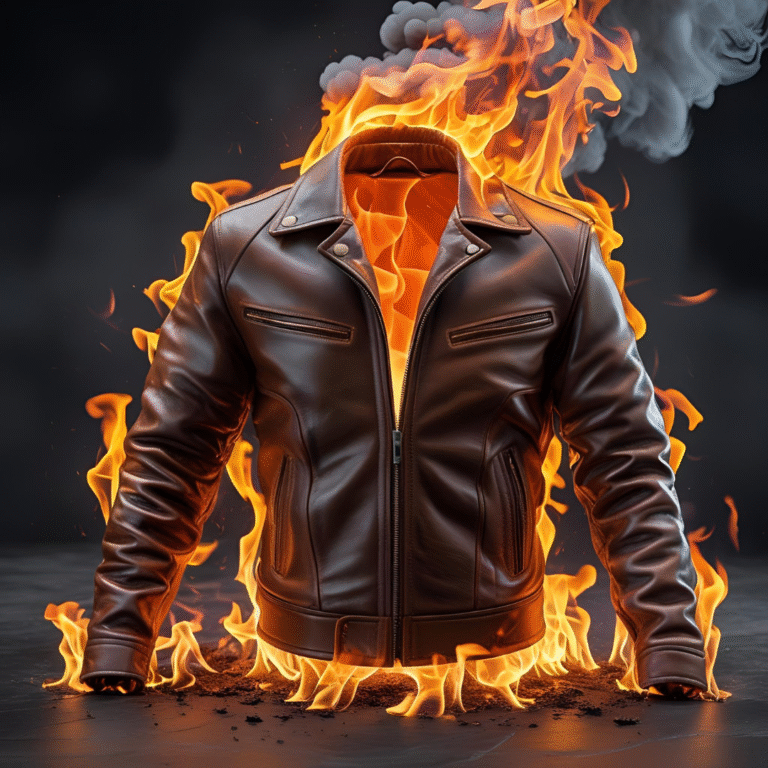

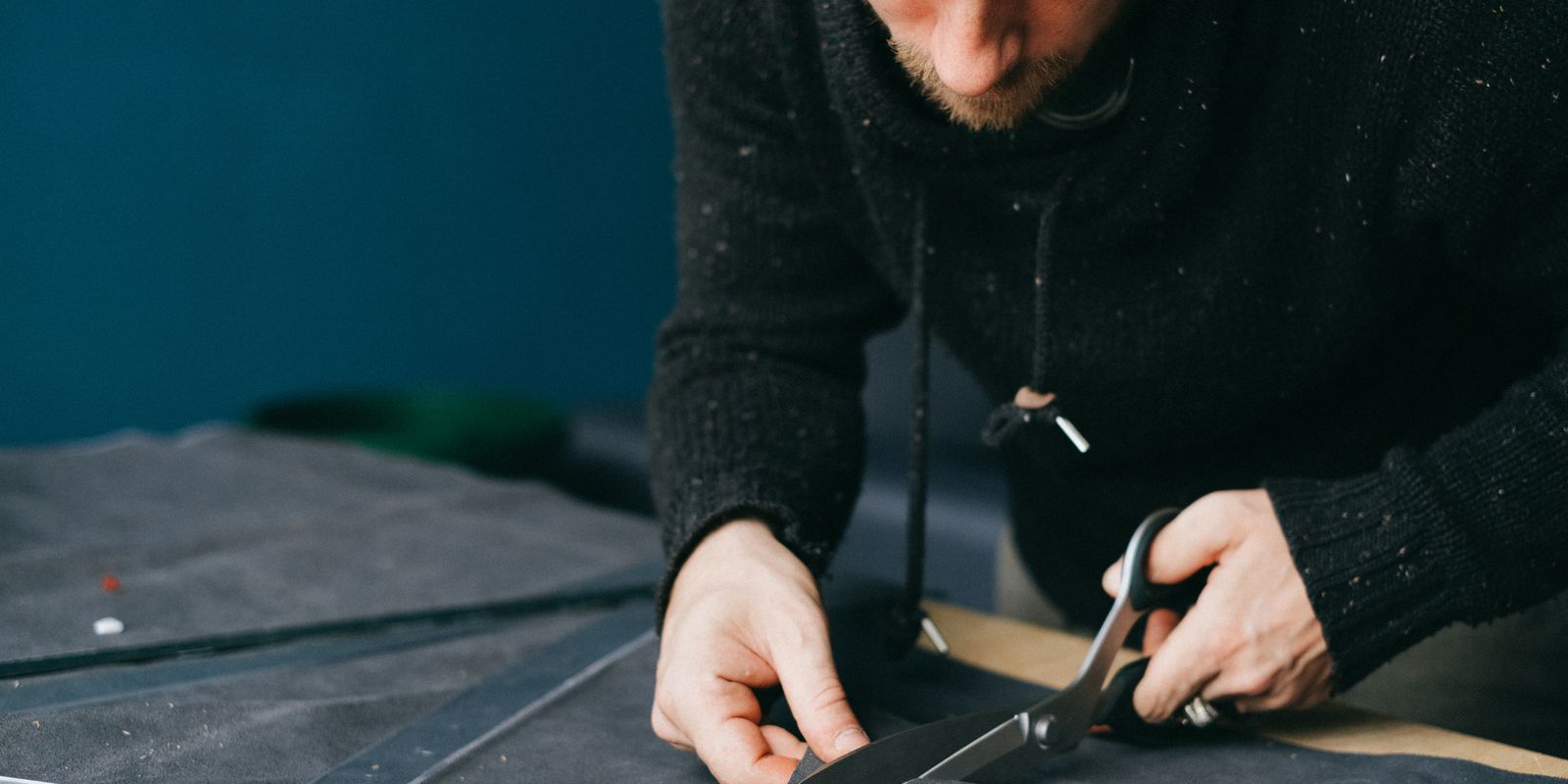
A torn sleeve, a deep scratch across the shoulder, a zipper that suddenly refuses to close: none of these are reasons to give up on a leather jacket. Leather is one of the most repairable materials in any wardrobe, and most of the damage that looks alarming the moment it happens is genuinely fixable, often for a fraction of what a new jacket costs. The trick is knowing which kind of damage you are looking at, what can be handled at home, and when it is worth taking the jacket to someone who repairs leather for a living.
A jacket that has been repaired once usually gets treated more carefully afterward, which is exactly why a good repair often outlasts the original stitching.
Can a leather jacket actually be repaired?
Yes, and in most cases the repair is more straightforward than people expect. Leather does not fray, shred or unravel the way woven fabric does. A cut edge in leather stays clean and stable, which is exactly what makes it possible to stitch, patch or reinforce without the damage spreading further. The material that genuinely resists repair is leather that has dried out completely and started to crack across wide areas of the surface, since at that point the fibers themselves have broken down and there is nothing solid left to stitch into.
For everything short of that, a repair specialist has real options: hand stitching along a tear, an internal patch glued behind a hole, recoloring for a scratch, or a full zipper swap. If you are dealing with a jacket you actually like, the honest answer to “can this be repaired” is almost always yes, so it is worth getting a quote before assuming the jacket is finished.
Tears and rips: what to do first
Small tears you can address yourself
A short, clean tear along a seam or a straight cut in the leather itself can often be handled with a leather repair adhesive and a bit of patience. Clean the area gently, apply a thin, even layer of a flexible leather glue underneath both edges of the tear, press them together, and hold with clips or tape while it cures. This works best on tears under two or three centimeters where the leather has not stretched or lost its shape around the damage.
Larger tears that need a professional
Anything longer, anything near a stress point like the underarm or elbow, or any tear where the leather has visibly stretched needs a proper repair. A specialist will usually back the tear with a thin leather or fabric patch glued and stitched from the inside, then close the visible side with fine hand stitching that follows the grain so it disappears into the surface. This is not a job to rush at home, since a badly closed tear tends to reopen exactly where the stress was in the first place.
If a jacket has torn in a way that is simply beyond saving, structural stretching, multiple large rips, or leather that has genuinely dried out, it may be time to look at a well-built replacement instead. A jacket like the Men Asymmetrical Zipper Biker Leather Jacket uses full-grain leather with reinforced seams at exactly the stress points that tear first, which matters more for long-term durability than most people realize until their old jacket splits at the elbow.
Scratches and scuffs: reading the damage
Surface scratches
Most scratches only affect the finish, the thin protective layer on top of the leather, not the leather fibers underneath. These respond well to a leather conditioner rubbed in with a soft cloth, which softens the surrounding leather and often makes a light scratch far less visible within a day or two. For scratches that show a paler line where the finish has been scraped away, a matching leather cream or dye applied carefully with a small brush can blend the color back in.
Deep gouges into the leather
A deeper scratch that has cut into the leather itself, not just the finish, needs more care. Light sanding with very fine sandpaper can smooth the edges of the gouge, followed by a leather filler to level the surface, then color matching on top. This is genuinely fiddly work and easy to overdo, so for a jacket you care about, a leather repair specialist with color-matching experience will get a cleaner result than a home attempt, especially on jackets in unusual or aged colors where matching the exact shade takes practice.
Zipper problems: the most common repair by far
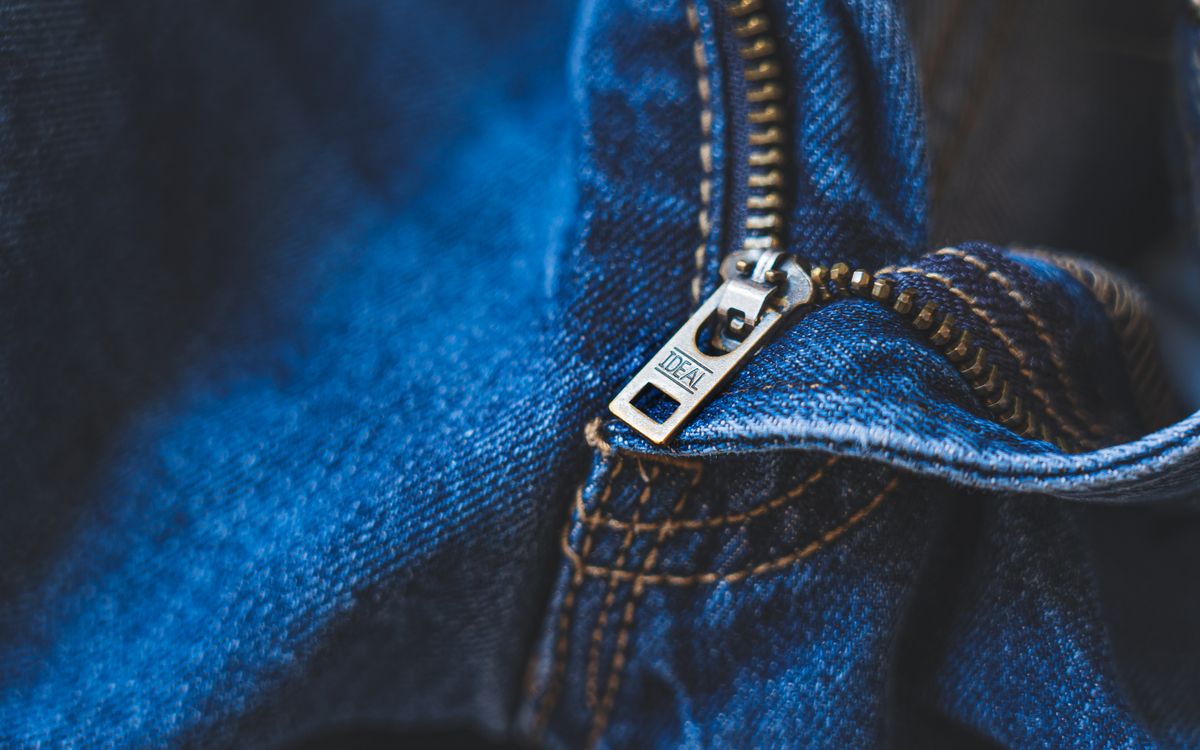
Zippers fail more often than the leather itself does, simply because they have more moving parts and get used every single day. This is also the single most searched leather jacket repair question, and for good reason: a broken zipper makes an otherwise perfect jacket unwearable.
Stuck or sticky zippers
A zipper that drags or sticks is usually just dirty or dry, not broken. Clean the teeth with a soft brush, then run a bar of paraffin wax, a graphite pencil, or a dedicated zipper lubricant along both sides of the teeth and work the slider up and down a few times. This fixes the large majority of sticky zippers without any tools or a trip to a tailor.
Broken sliders and separated teeth
If the slider no longer grips the teeth and the zipper gapes open after closing, the slider itself has usually worn out rather than the teeth. A replacement slider, matched to the zipper’s tooth size, can often be fitted by a tailor in a few minutes without removing the zipper from the jacket. Missing teeth, a torn-off pull, or a zipper that has come away from the leather along its stitching line is a bigger job that means removing the old zipper tape and stitching in a new one, which is exactly the kind of repair worth paying a specialist for rather than attempting cold.
For a jacket that lives in daily rotation, a heavy-duty zipper from the start makes a real difference. The Mens Black Biker Cross Zipper Sheepskin Leather Jacket is built around a reinforced cross zipper designed for exactly this kind of everyday use, the sort of detail that quietly saves you a repair bill down the line.
Where to get a leather jacket repaired
Not every tailor works with leather, so it is worth asking specifically before you book anything. Three places consistently do this kind of work well:
- Shoe repair shops and cobblers. Many cobblers work with leather daily and have the stitching machines and adhesives needed for jacket repairs, even though shoes are their main business.
- Dedicated leather and upholstery repair specialists. These shops handle furniture and leather goods as well as clothing, and usually have the widest range of color-matching dyes on hand.
- Dry cleaners that offer leather services. Larger dry cleaning chains sometimes partner with an in-house or outsourced leather specialist for cleaning, conditioning and minor repairs in one visit.
If none of those are nearby, search for “leather repair” plus your city rather than “tailor,” since general clothing tailors do not always have the right needles, thread or adhesives for leather. For anything under warranty or bought recently from Buneri, checking with the seller first is also worth doing, since some damage near a factory seam may be covered.
A simple leather jacket repair kit worth keeping at home
You do not need much to handle the small stuff yourself. A basic kit covers most minor damage before it grows into something that needs a specialist:
- Leather conditioner or cream, applied every few months to keep the leather flexible and less likely to crack or scratch deeply in the first place.
- A small tube of flexible leather adhesive, for tiny tears and lifted edges.
- A leather color repair kit in a shade close to your jacket, for scuffs and light scratches.
- Paraffin wax or a zipper lubricant stick, for keeping the zipper running smoothly.
- Fine sandpaper, only for smoothing the edges of deeper scratches before color work.
- A soft microfiber cloth, for regular cleaning and buffing after every repair step.
Repair or replace? A practical checklist
Work through these questions before deciding which way to go:
- Is the damage isolated to one small area, or spread across the jacket? One tear or one scratch almost always means repair. Cracking across multiple panels usually means the leather has aged out.
- Is the tear near a stress point like the elbow or underarm? These repairs hold better with professional reinforcement rather than a quick glue job.
- Is it the zipper or the leather? Zipper problems are cheaper and faster to fix than leather damage, and rarely a reason to retire a jacket on their own.
- How much do you actually wear this jacket? A frequently worn jacket earns back the cost of a repair fast. One that sits in the closet most of the year may not.
- Get a quote first. A five-minute conversation with a leather specialist often reveals the repair is smaller and cheaper than it looked, so do not write off the jacket before asking.
If the honest answer after all of that is that the jacket is beyond saving, moving on to a jacket built with repair-friendly construction from the start, reinforced seams, a quality zipper, and full-grain leather, makes the next one last longer between visits to the tailor. The Aria Belted Biker Leather Jacket is a good example of that kind of build, with clean panel seams that are far easier to repair down the line than a jacket pieced together from many small leather sections.
Conclusion
Most leather jacket damage looks worse than it is. Tears can be stitched or patched, scratches can be conditioned or recolored, and zippers, the most common failure of all, can usually be cleaned, lubricated or partially replaced without touching the rest of the jacket. Work out which category the damage falls into, try the small fixes at home when the damage is minor, and take anything structural or near a stress point to a specialist who works with leather every day. A repaired jacket, cared for afterward, often ends up lasting longer than one that was never damaged at all.
Frequently asked questions
Can a leather jacket be repaired?
In almost every case, yes. Leather is one of the most repairable materials used in outerwear, far more forgiving than most synthetic fabrics. Tears can be stitched or invisibly patched from the inside, scratches can be conditioned or recolored, and zippers can be repaired or swapped without touching the rest of the jacket. The only jackets that are genuinely not worth repairing are ones where the leather itself has dried out and cracked across large areas, since stitching or patching cannot restore leather that has lost its structure. For a torn seam, a scuffed sleeve or a broken zipper, repair is almost always the right first call before replacement.
How much does it cost to repair a leather jacket?
Small jobs are inexpensive. A simple seam re-stitch typically runs from 15 to 30 EUR, a scratch treatment or recoloring session from 20 to 45 EUR, and a zipper slider replacement from 25 to 45 EUR. A full zipper replacement, where the entire zipper tape is swapped, usually costs between 40 and 80 EUR depending on jacket style and zipper length. A large tear that needs a hidden leather patch and hand stitching can run higher, sometimes 60 to 120 EUR at a specialist. These are general European price ranges; always ask for a quote before the work starts, since jacket construction varies a lot between brands.
Can you fix a leather jacket zipper yourself?
A sticky or stiff zipper, yes, almost always, with a simple cleaning and a dab of wax or a dedicated zipper lubricant along the teeth. A slider that skips or will not stay closed can sometimes be fixed at home by gently pinching the slider with pliers to tighten its grip on the teeth. A zipper with missing teeth, a torn-off pull tab, or one that has separated from the leather itself is a job for a tailor or leather repair specialist, since it usually involves unpicking and re-sewing the zipper tape into the jacket, which is easy to do badly and hard to undo.
What is the difference between fixing a scratch and fixing a tear?
A scratch is surface damage: the top layer of the leather or its finish has been scuffed or lightly cut, but the material underneath is still intact. Scratches are usually fixed with conditioning, light buffing, or a matching leather dye or cream, and rarely need a needle and thread. A tear goes all the way through the leather, so the two edges of the material have physically separated. Tears need to be closed, either by hand stitching along the tear line or by backing the area with an internal patch glued or stitched behind the damage, so the repair holds under normal movement and does not reopen.