
Pick up almost any leather jacket and turn out the collar, and you will find a small label naming a country. Italy, Turkey, Pakistan, Poland, sometimes China or India. That one word carries a lot of weight in a shopper’s mind, often more than it deserves. This guide walks through where leather jackets are actually made, what each country has become known for, and how much the place of origin really tells you about the jacket in your hands. The short version: geography is a useful clue, not a guarantee.
A country name on the label tells you where a jacket was sewn, never how well it was sewn.
The short answer: there is no single home of the leather jacket
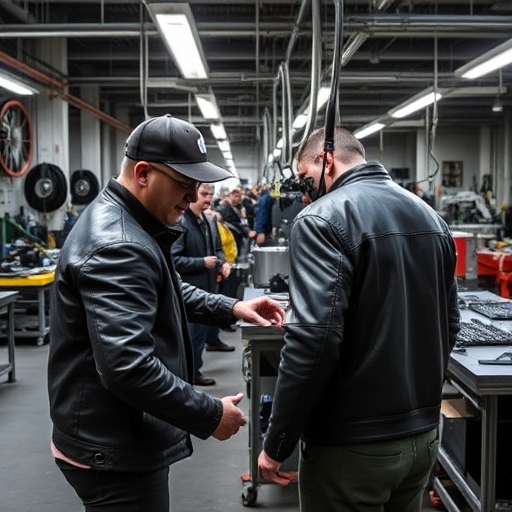
Leather jackets are made all over the world, but production clusters in a few places that each built a reputation for something. Italy leads on design and finishing. Turkey turns out enormous volume across every price point. Pakistan is a centre for hand-made leather garments at a fair cost. Poland and the wider European belt handle a steady share of solid mid-market production. China and India make large quantities too, often at the budget end.
None of these places owns the leather jacket. A brilliant jacket can come from any of them, and so can a poor one. What changes from country to country is the typical combination of wages, leather supply, and workshop tradition. Once you understand that combination, the label starts to make sense, and you stop treating a single word as the whole story.
Italy: the reputation for design and finishing
When people imagine a premium leather jacket, Italy is usually the first country that comes to mind. The reason is real. Italy built centuries of leather-working tradition, especially around Tuscany, and the country became associated with refined cuts, clean finishing, and a sense of fashion. A leather jacket made in Italy often means careful attention to the silhouette and the small details that catch the eye.
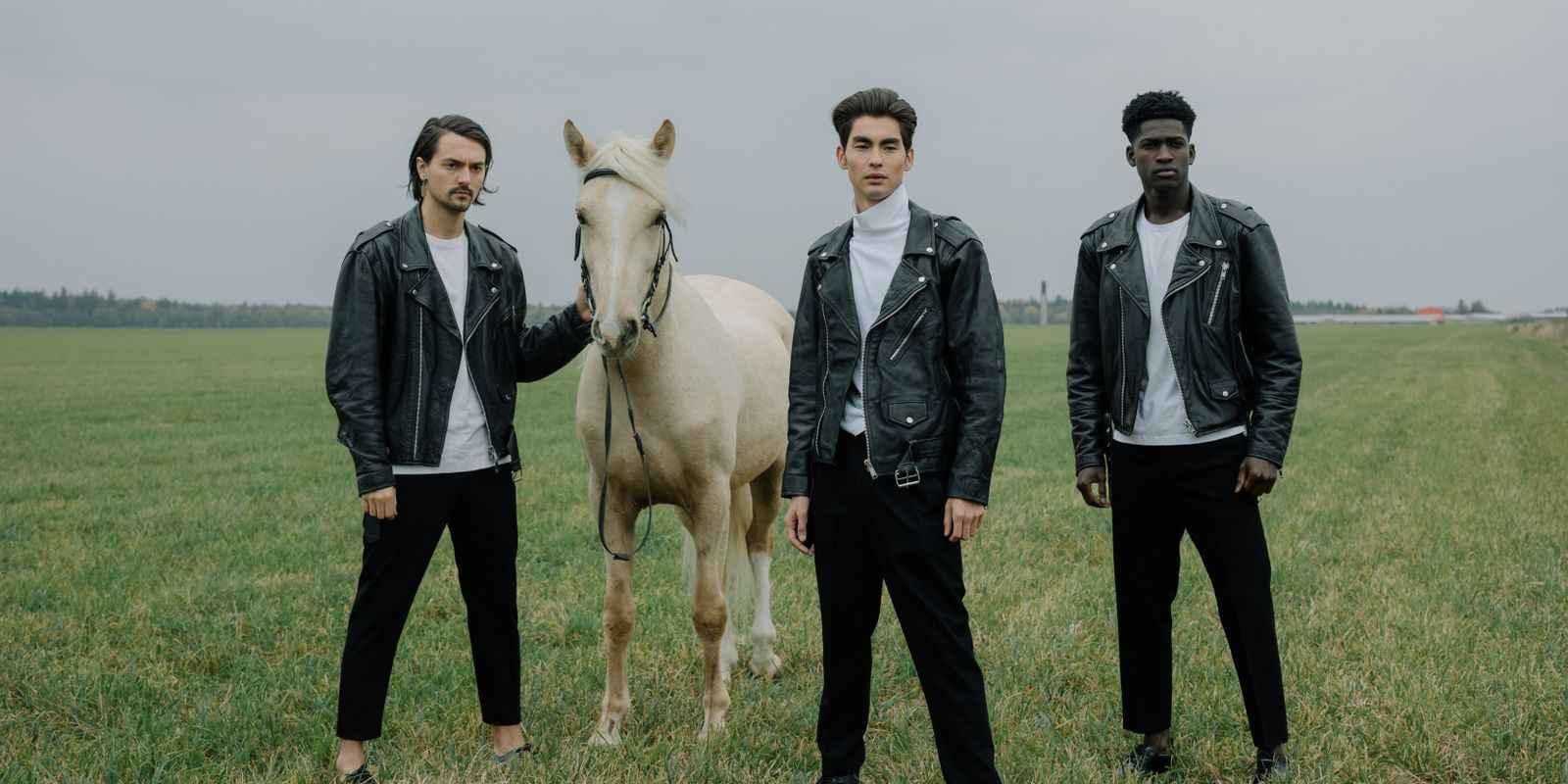
What the Italian label does not automatically guarantee is the type of leather or the price being fair for what you get. Some Italian-made jackets are superb, others coast on the reputation. The design language, though, is worth learning from: a clean line, a collar that sits right, and finishing that does not fray. Our own Men’s Brown Racer Style Sheepskin Leather Jacket is built in that same spirit of a clean, timeless silhouette, in real sheepskin leather rather than a thinner corrected hide.
Turkey: volume, variety, and a very wide price range
Turkey is one of the biggest names in leather, with a deep tradition and a massive output. If you have ever shopped for a leather jacket in Istanbul or at a Turkish market, you know the range is enormous. At one end sit very cheap tourist pieces, often made from corrected or bonded leather. At the other end are genuinely well-made jackets from serious workshops.
That is why price in Turkey swings so widely. A jacket might cost a tourist a small amount or run into several hundred euro for a real-leather piece. The lesson is simple: in Turkey more than anywhere, you have to judge the jacket, not the country. Rub the surface, smell the leather, check the stitching, and look at the lining. A low price almost always means a compromise somewhere, and it is usually the leather itself.
Pakistan: hand-made craft at a fair price
Pakistan is one of the world’s major centres for leather garments, with a strong base of skilled workshops, particularly around Karachi. The country combines genuine leather supply with experienced hand-sewing, which means a well-run workshop can produce a real-leather jacket with careful construction at a price that would be hard to match in Western Europe.
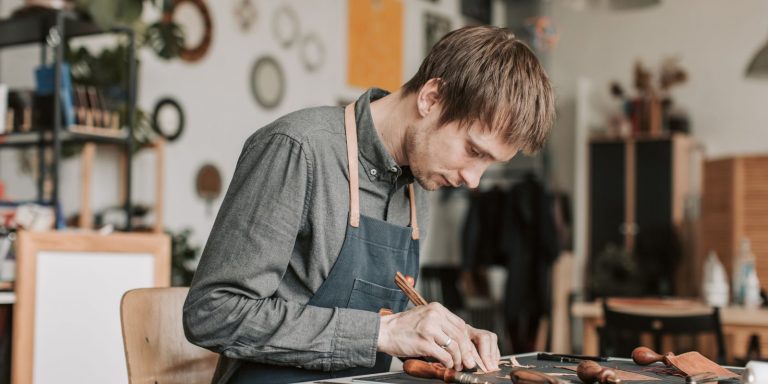
This is exactly where Buneri sits. Every Buneri jacket is hand-made to order in our own workshop in Karachi, in real sheepskin leather with a premium faux fur lining. Nothing is pulled off a shelf. We cut and sew each piece only after you order it, then ship it by courier directly to you, usually in about 14 days: roughly 7 days to make and 7 to ship. Shipping is free, we cover customs and import taxes, and every jacket can be returned within 30 days. The seller is Garments X Wears Kft. in Budapest. Our Men Distressed Black Biker Sheepskin Leather Jacket is a good example of that hand-made approach, with a lived-in finish applied by hand rather than printed on.
Poland and the wider European belt
Poland, along with neighbours across Central and Eastern Europe, handles a steady share of mid-market leather production. The region has a practical, workmanlike reputation: solid jackets, sensible pricing, and European labour standards. For many shoppers in that part of the world, a Polish-made or regionally made jacket feels close to home and easy to trust.
As with Italy, the European label raises the baseline but does not remove the need to check. Leather can still be thin, linings can still be cheap, and a high price can still hide a corrected hide. The useful habit is the same everywhere: look past the flag on the label and inspect the garment.
Germany, France, and the rest
You will also find jackets labelled as made in Germany or France, often tied to a specific heritage style such as a classic aviator or a French-style bomber. These pieces usually carry a higher price, partly because of higher local wages and partly because of the design story attached to them. The craftsmanship can be excellent. The point to remember is that a leather jacket made in Germany or France is not automatically better than one made elsewhere. It reflects a particular cost structure and a particular design tradition, nothing more and nothing less.
Does the country actually matter?
Here is the honest answer: the country matters far less than three other things. First, the leather itself, whether it is real full hide or a corrected, bonded, or faux material. Second, the construction, meaning the stitching, the lining, the zips, and whether the panels are cut to hold their shape. Third, the maker’s care and honesty about what they sell.
A real sheepskin jacket, hand-sewn with a good lining, is a good jacket whether it was made in Karachi, Krakow, or Florence. A thin corrected-leather jacket is a poor one even with a prestigious label inside. That is why our Men Sheepskin Belted Biker Leather Jacket leans on the things that genuinely last: real sheepskin, a belted shape that holds, and construction meant for everyday wear, not a flag on a tag.
How to tell where and how well a jacket was made
You do not need to be an expert to read a jacket. Run through this quick checklist before you buy:
- Find the origin label, usually at the collar or an inside seam, and note the country. Treat it as a clue, not proof.
- Confirm it is real leather. Real leather has a natural grain that is slightly irregular, a distinct smell, and warmth to the touch. Perfectly uniform, plastic-smelling surfaces are warning signs.
- Read the material description. Honest sellers name the leather clearly. Buneri jackets are real sheepskin with a premium faux fur lining, and we say so plainly.
- Check the stitching. Look for straight, even seams with no loose threads, especially where the sleeves meet the body.
- Inspect the lining and zips. A quality lining is sewn in neatly and the zips run smoothly without catching.
- Ask about returns. A maker confident in its work offers a fair return window. Ours is 30 days.
Run through those six points and the country on the label becomes just one small part of a much clearer picture.
Conclusion
So, where are leather jackets made? Everywhere that matters, from Italy to Turkey to Pakistan to Poland, each with its own strengths and its own range of quality. The country name is a starting point for a conversation, not the end of one. What you really want is real leather, honest construction, and a maker who stands behind the jacket. Buneri answers that by hand-making every jacket to order in Karachi, in real sheepskin leather, shipped free to your door with a 30-day return. Judge the jacket, not the flag, and you will almost never go wrong.
Frequently Asked Questions
Where are most leather jackets made?
There is no single country. Most of the world’s leather jackets are made across a handful of hubs that each do something well. Italy is known for design and finishing, Turkey for large volume and competitive prices, Pakistan for hand-made craft at a fair cost, and Poland and the wider region for solid European production. The label on a jacket tells you where it was assembled, but not automatically how good it is. Country of origin is a clue, not a verdict, and the real quality comes from the leather, the construction, and the maker’s care.
Are leather jackets made in Turkey good quality?
They can be. Turkey has a long leather tradition and produces a huge range, from very cheap tourist pieces to genuinely well-made jackets. Because the market is so wide, price in Turkey varies enormously, and a low price often means corrected or bonded leather rather than full hide. If you buy in Turkey, judge the jacket itself: check that it is real leather, look at the stitching and the lining, and do not assume the country name alone guarantees anything.
Where are Buneri leather jackets made?
Every Buneri jacket is hand-made to order in our own workshop in Karachi, Pakistan. We use real sheepskin leather with a premium faux fur lining, and each piece is cut and sewn only after you order it. From there it ships by courier directly to you, usually in about 14 days, with roughly 7 days for making and 7 for shipping. The seller is Garments X Wears Kft. in Budapest. Shipping is free, we pay customs and import taxes, and you can return any jacket within 30 days.
Does the country a leather jacket is made in affect the price?
Yes, but less than people think. Labour costs, local leather supply, and shipping all push the price up or down by country. A jacket made in Italy or Germany often carries a higher price tag partly because of higher wages, while a hand-made Pakistani jacket can offer the same real leather and careful stitching for less. The smarter approach is to compare what you actually get: real leather, honest construction, a good lining, and a fair return policy, rather than paying only for a country name on the label.