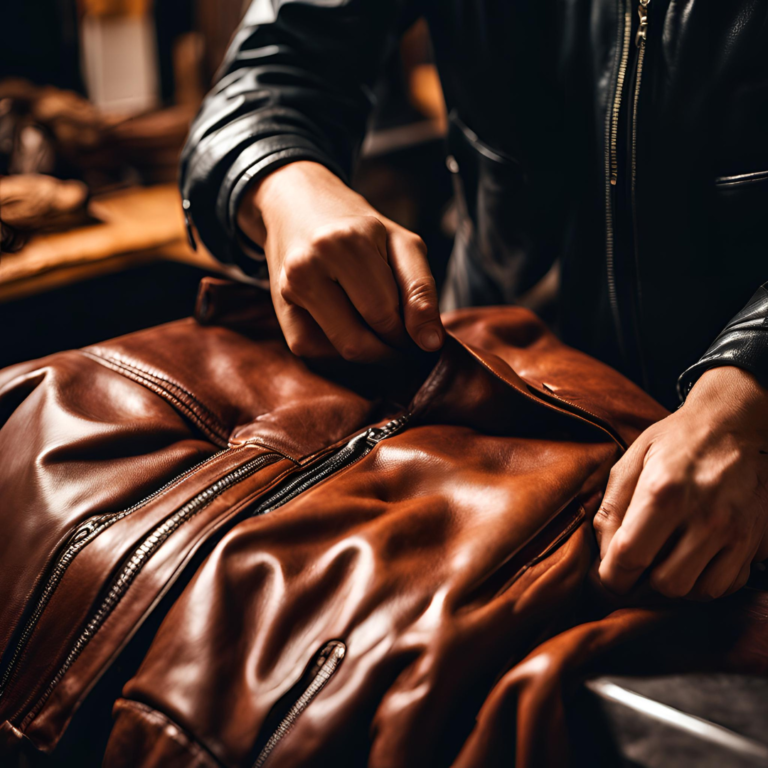


You have probably stood in front of a rack, looked at the price tag on a genuine leather jacket, then looked at a synthetic one costing a third as much, and wondered if the difference is really worth it. It is a fair question. Leather is not cheap, and a bad purchase sits unworn in a closet regardless of what it is made from. The honest answer is not a flat yes or no, it depends on how you calculate value, how long you expect to keep the jacket, and what you actually want it to do for you. Here is the breakdown, without the sales pitch.
A cheap jacket you replace every year and an expensive jacket you wear for a decade can end up costing almost the same amount. Only one of them looks better with age.
Is a real leather jacket worth the money
Run the numbers instead of trusting instinct. A genuine leather jacket bought for around 300 EUR and worn two to three times a week for eight years works out to well under 1 EUR per wear once you include a mid-life reconditioning. A synthetic jacket bought for 90 EUR that needs replacing every eighteen months because the coating has cracked costs more over the same eight years, and it looks worse the entire time it lasts. That is the actual test of value: not the number on the receipt, but the cost divided by every day you get real use out of it.
There is a second, less obvious part of the calculation: resale and reuse. Real leather jackets in good condition hold value on the secondhand market in a way synthetic jackets simply do not, because buyers know a well cared for leather jacket still has years of life left in it. A cracked faux leather jacket is not resellable at any price, it is headed for landfill the moment it starts flaking.
The cost-per-wear math, simplified
- Take the purchase price.
- Estimate how many times you will realistically wear it per year.
- Estimate how many years it will last with normal care.
- Divide price by (wears per year × years).
Most people are surprised how quickly a genuine leather jacket like the Black Motorcycle Leather Jacket pays for itself once autumn and winter wear is factored in properly, because a jacket you reach for constantly is doing far more work per euro than one that gets worn twice and forgotten.
Lederjacke ja oder nein: how to decide for your own wardrobe
Translated, this is simply “leather jacket, yes or no,” and it is the question that matters more than any spec sheet. The right answer depends on your habits, not on the jacket. If you already reach for a jacket most days from October through March, if your existing wardrobe is built around jeans, boots, shirts and knitwear rather than soft loungewear, and if you tend to keep clothing for years rather than seasons, a real leather jacket fits naturally into how you already dress and will earn its price quickly.
If, on the other hand, you rarely wear structured outerwear at all, live somewhere with a short or mild cold season, or are still figuring out your personal style, it is completely reasonable to wait. A leather jacket is not a purchase that fixes an unclear wardrobe, it is a purchase that rewards a wardrobe you already understand. Buying one because it looks good on someone else, without checking whether you would actually put it on three times a week, is the single biggest reason leather jackets end up unworn.
Why buy a leather jacket instead of a cheaper alternative
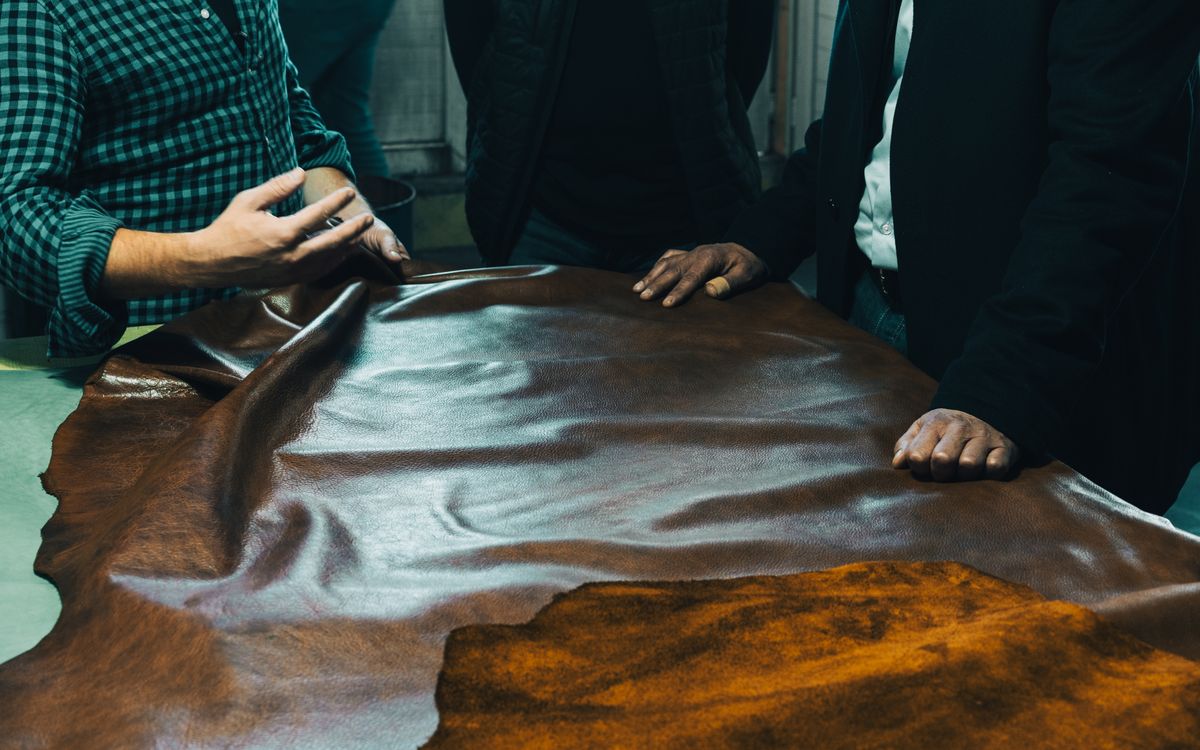
The practical case for real leather comes down to three things synthetic materials cannot match: durability, repairability, and how it looks after years of use. Full grain and top grain leather are genuinely abrasion resistant. They flex without cracking, they shrug off light rain, and they can survive a fall off a bicycle that would tear a fabric jacket. A jacket like the Shelby Trench Leather Coat is built from hide thick enough to be relined and re-stitched multiple times over its life, which is simply not an option once a synthetic coating starts to peel.
Repairability is the detail most buyers underestimate. A scuffed elbow, a broken zipper or a torn lining on a genuine leather jacket is a routine job for a leather repair shop, usually costing a small fraction of the jacket’s original price. The same damage on a synthetic jacket is usually terminal, because the base fabric and its coating cannot be meaningfully restored once they separate. Real leather also improves cosmetically with age. Creases at the elbows, a slightly softened collar and a deepened colour read as character on genuine leather. On synthetic material the same wear reads as damage, because it is.
What you are actually paying for
- Hide quality. Full grain costs more than corrected grain or bonded leather because it uses the strongest, most durable layer of the hide with the fewest processing steps.
- Construction. Real stitching, metal zippers and lined interiors add labour cost but determine whether the jacket survives ten years or two.
- Tanning process. Proper tanning (chrome or vegetable tanned) affects how the leather ages, how it handles moisture, and how long it stays supple.
- Brand and markup. Above a certain price you are increasingly paying for a logo rather than better material, which is why the mid-range is usually the smartest place to buy.
How long should a genuine leather jacket actually last
With basic care, a well made genuine leather jacket should comfortably last eight to fifteen years of regular wear, and many last longer. That care is not complicated: keep it away from direct heat sources, let it dry naturally if it gets wet, condition the leather once or twice a year, and store it on a proper hanger rather than folded in a drawer. Sheepskin and lambskin pieces such as the Womens Brown Sheepskin Biker Leather Jacket are softer than heavier cowhide from day one, but they still hold up for many seasons when treated with the same basic respect.
Compare that lifespan to a synthetic jacket, which typically starts showing cracking or peeling somewhere between eighteen months and four years, depending on how often it is worn and how it is stored. Once the coating fails there is no fix, only replacement. That gap in lifespan is the entire argument for real leather in one sentence: you are not paying three times more for a jacket, you are paying roughly a third as much per year of use.
How to check leather jacket quality before you buy
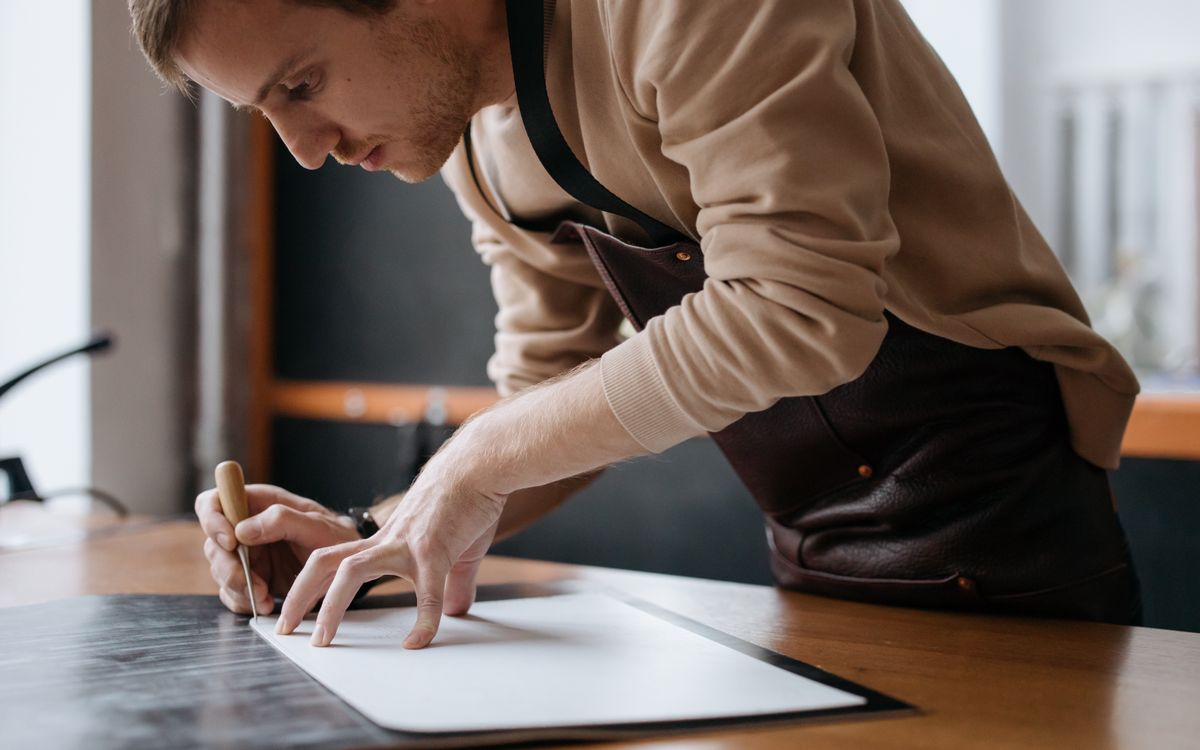
Use this quick checklist in-store or when reading a product page, so the “worth it” calculation actually applies to the jacket you are considering:
- Check the label for “genuine leather,” “full grain” or “top grain.” Avoid vague terms like “leather look” or “PU,” which usually signal a synthetic or bonded material.
- Press the material. Real leather has a slightly uneven, warm feel and holds a light crease when pinched. Synthetic material tends to feel uniformly smooth and springs back too perfectly.
- Smell it. Genuine leather has a distinct, faintly earthy smell. Synthetic materials smell like plastic or chemical coating.
- Look at the zipper and lining. Metal zippers and a properly finished lining usually indicate the maker invested in the whole garment, not just the outer shell.
- Ask about the leather type. Lambskin is softest and lightest, cowhide is toughest and most abrasion resistant, sheepskin sits in between with excellent warmth.
- Check the stitching. Even, tight double stitching along stress points (shoulders, underarms, cuffs) is a strong sign of durable construction.
Conclusion
A real leather jacket is worth the money for almost anyone who will actually wear it regularly and keep it for years, because the cost per wear ends up lower than repeatedly replacing a synthetic alternative, and the repairability alone changes the entire economics of the purchase. It is a weak choice only for a single season, a costume, or a style you are not confident about yet. Buy once, buy the right hide and construction for how you actually dress, and a genuine leather jacket will likely be one of the few clothing purchases you never regret.
Frequently asked questions
Is a real leather jacket worth it?
For most people who plan to wear it regularly for several years, yes. A genuine leather jacket typically costs more upfront than a faux alternative, but it lasts far longer, ages into a better version of itself, and can be repaired instead of replaced. When you divide the price by the number of years and wears you actually get out of it, real leather usually comes out cheaper per wear than buying a new synthetic jacket every one or two winters. It is a poor value only if you want a jacket for a single season, a costume, or a look you expect to abandon quickly.
Lederjacke ja oder nein?
The honest answer depends on how you dress, not on the jacket itself. Choose yes if you already wear structured outerwear often, live somewhere with a real autumn and winter, and want one durable piece that works with jeans, shirts and knitwear for years. Choose a cautious no, or at least wait, if your wardrobe is mostly soft and casual, you rarely wear jackets at all, or you are choosing between a leather jacket and paying off a more urgent expense. A leather jacket rewards people who will actually put it on.
Why buy a leather jacket instead of a synthetic one?
The core reasons are durability, repairability and how the material behaves over time. Full grain and top grain leather resist abrasion, hold their shape through thousands of wears, and can be relined, re-zipped or recoloured by a leather repair specialist for a fraction of replacement cost. Synthetic leather (PU or PVC coated fabric) cracks, peels and stiffens as the coating degrades, usually within two to four years of regular wear, and once it starts flaking it cannot be repaired. Real leather also develops a patina, a softened, slightly lived-in look, that most wearers consider an upgrade rather than wear and tear.
How much should I expect to pay for a genuine leather jacket?
Quality genuine leather jackets from an established maker generally run from around 200 to 500 EUR depending on the leather type (lambskin, cowhide or sheepskin), construction and detailing. Below roughly 150 EUR for a jacket marketed as real leather, be skeptical: it may be bonded leather or a very thin split that will not hold up. Above 600 to 700 EUR you are usually paying for a designer label rather than a meaningful jump in material quality, so the middle of that range is where most buyers get the best balance of durability and price.