
Every wardrobe eventually holds one: the leather jacket you loved for years that now sits at the back, the zip sticking, the elbows scuffed, the colour gone patchy. Throwing it away feels wrong, and it should, because real leather is one of the few materials that only gets more characterful with age. The good news is that an old leather jacket is rarely finished. It can almost always be repaired, reinvented into something new, or passed on to someone who will love it next. This guide walks through every honest option, from a quick fix at the cobbler to selling, donating and responsible disposal, so you can make the right call for your jacket and never bin good leather again.
A worn leather jacket is not a problem to throw away, it is raw material with a story already in it. The only real waste is sending it to landfill.
First, Decide: Repair, Upcycle or Donate?
Before you do anything, spend two minutes assessing the jacket honestly, because the right path depends entirely on the state of the leather itself. Lay it flat in good light and look past the surface. Fittings, linings and finish are all fixable; the hide is the thing that decides everything.
Flex a tired area, such as an elbow or the hem, between your fingers. If the leather creases and springs back, even if it looks dry or faded, the material is still alive and the jacket is a strong candidate for repair and restoration. If instead it cracks, flakes or feels papery and stiff all over, the hide has degraded and no stitch will hold, which points you toward upcycling the good panels or recycling what is left. Anything in between, a jacket that is simply out of style, too small or no longer your taste but still sound, is the ideal candidate to sell or donate so someone else can enjoy it.
Keep those three outcomes in mind as you read on. Most jackets fall into the first or third group, and genuine landfill is almost always the wrong answer.
Repairing an Old or Damaged Leather Jacket
A damaged leather jacket looks worse than it is. The most common faults, a broken zip, a split seam, scuffed corners and dry, faded colour, are all routine work for a cobbler or a dedicated leather repair specialist, and the cost is usually a small fraction of a replacement.
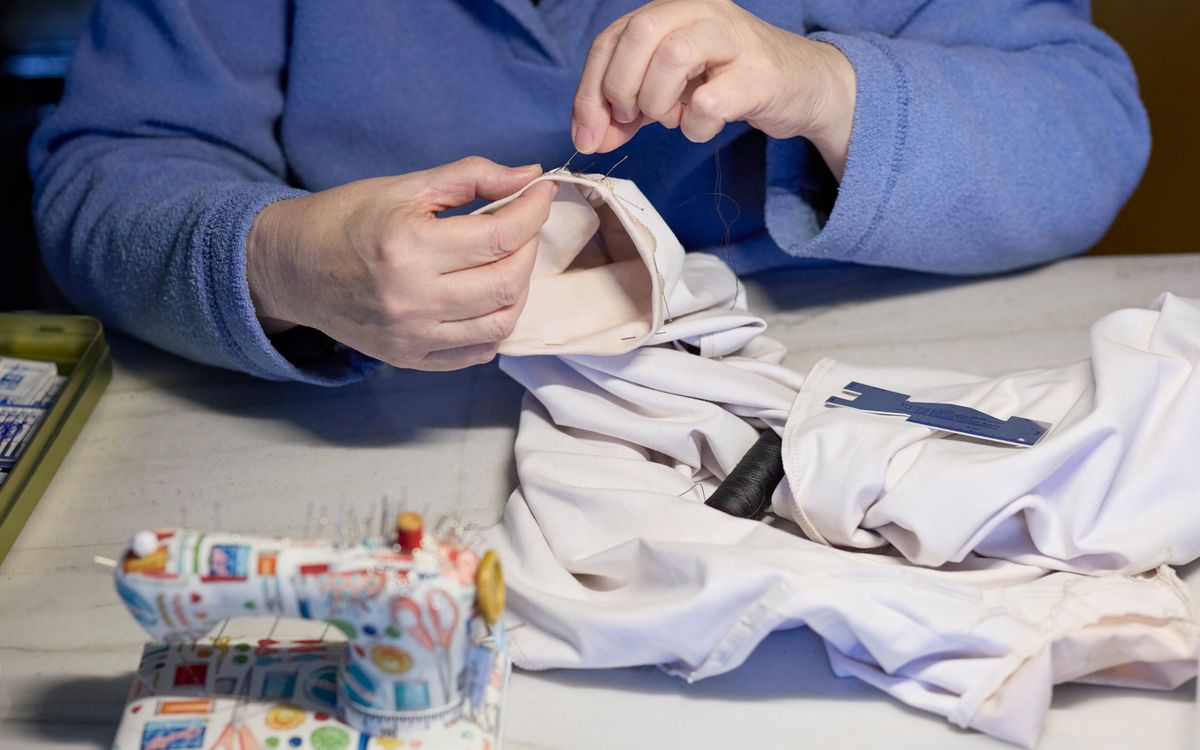
A stuck or broken zip is the single most frequent reason a good jacket gets abandoned, and it is also the cheapest to fix. A repairer can often free a jammed slider with lubricant, or replace the whole zip for a modest fee, which instantly brings the jacket back into rotation.
Torn seams and small holes are equally routine. Leather is stitched, not woven, so a specialist can restitch a burst seam or patch a hole from behind with matching hide so the repair almost disappears. Scuffs and faded colour respond beautifully to cleaning, recolouring and conditioning; a professional recolour can make a tired jacket look years younger.
The one job you can do yourself, and should do regularly, is conditioning. Dry leather cracks, and cracks are the one fault that cannot be fully reversed, so feeding the hide with a good conditioner two or three times a year is the single best thing you can do to keep an old jacket alive.
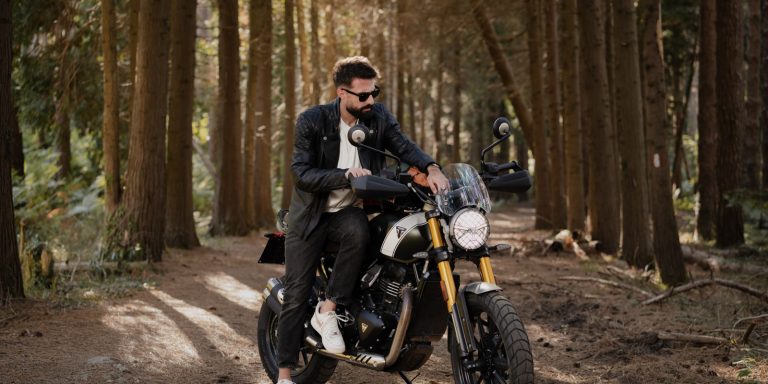
When a jacket really is beyond saving, and only then, it is worth investing in a quality classic that will last long enough to age gracefully in the first place. A well-made piece like the Classic Diamond Vintage Brown Biker Leather Jacket is exactly the kind of full-grain jacket built to be repaired and handed down rather than replaced.
Upcycling Ideas for Leather You Cannot Wear
If the jacket cannot be worn or sold, do not think of it as rubbish. Think of it as a supply of premium leather, already softened and broken in, which is expensive to buy new. The large flat panels and salvageable hardware make it perfect raw material for dozens of projects.
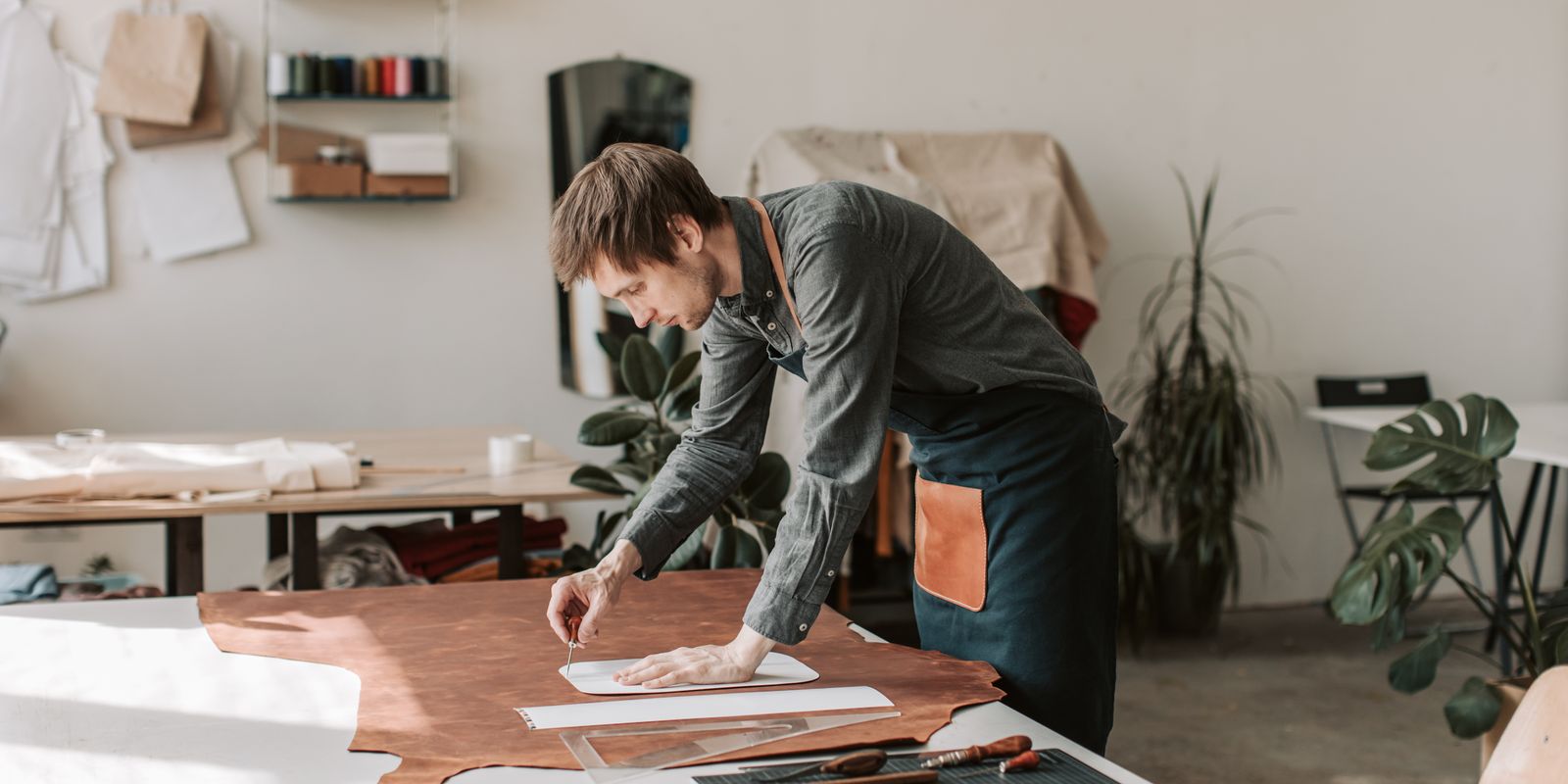
- Small leather goods: wallets, card holders, key fobs, coin pouches and watch straps all come out of a single panel.
- Home and craft: cushion trims, plant pot wraps, coasters, book covers and drawer pulls.
- Wearable bits: a belt, patches to reinforce jeans or bags, or a phone sleeve.
- Salvage the hardware: the zips, studs, buckles and press-studs are worth keeping for other repairs and makes.
Even the sleeves have a use, as tool rolls, drink holders or gauntlet cuffs. If you do not sew, a local leather worker or a craft-market maker will often happily take a sound jacket, or turn it into something bespoke for you for a small charge. Handing usable leather to a maker keeps it out of landfill and supports a real craft.
For everyday wear once the old jacket has become a pile of projects, a straightforward classic earns its place. The Men Vintage Classic Biker Style Leather Jacket is the kind of timeless cut you will still be conditioning and repairing in twenty years, not upcycling in two.
Selling or Donating: Who Buys Worn Leather Jackets?
A jacket that is still wearable but no longer yours has real value, and giving it a second owner is the greenest choice of all. Plenty of people actively want broken-in leather, so try selling before anything else.
Who buys used leather jackets? More people than you would think. Vintage and secondhand shops buy outright or sell on commission, and they especially want recognised styles like biker, bomber and aviator jackets. Online, Vinted, eBay and Depop connect you directly with buyers hunting for genuine leather with character, and a well-photographed classic sells fast. Local vintage traders and market stalls often pay cash on the day. Because real leather holds its value far better than synthetic, a quality jacket with an honest patina can fetch a genuinely useful sum.
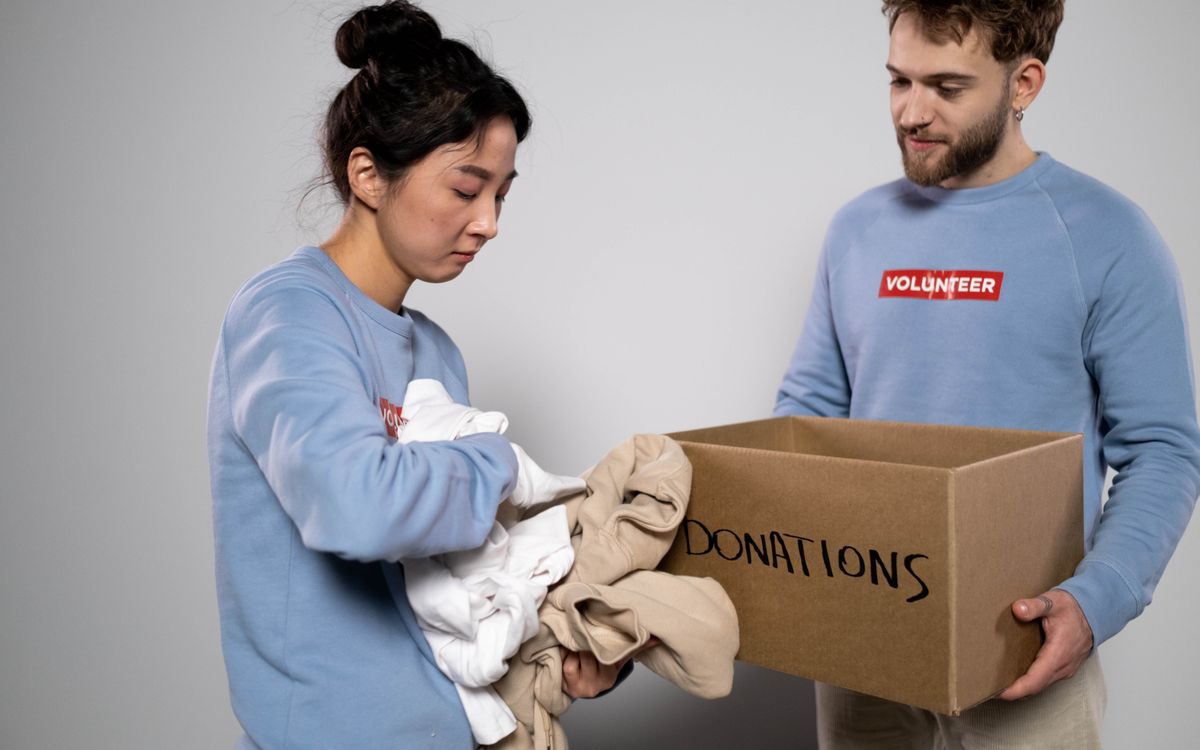
Donating is the simple, feel-good route if you would rather not sell. Charity shops welcome clean, wearable leather, and a good jacket often becomes one of their best sellers, turning your old favourite into funds for a cause. You can also pass it directly to a friend, a family member or a local community clothing project. Whichever route you choose, give the jacket a clean and a quick condition first: it sells faster, raises more for charity and simply shows respect for a piece that served you well.
When you have found a new home for the old one, treating yourself to a fresh classic like the Black Classic Biker Style Leather Jacket keeps the cycle going: buy well, wear it for years, then pass it on.
How to Dispose of a Leather Jacket Responsibly
Sometimes a jacket really is finished: rotted, mouldy beyond rescue or split past any repair. Even then, the general waste bin should be your very last resort, because leather is a natural material that can be recycled and takes years to break down in landfill.
Work down this order:
- Reuse first. Sell, donate or gift it while any part is still usable.
- Salvage the good bits. Cut off sound panels and hardware for craft or repair scraps before letting the rest go.
- Textile recycling. Clothing banks and textile recycling points accept old leather, which is downcycled into insulation, wiping cloths and craft material.
- Retailer take-back. Some larger clothing chains run in-store take-back bins that accept any brand of clothing, leather included.
- Household recycling centre. Only if nothing above is possible, take it to a proper recycling centre rather than the kerbside bin.
The kerbside general waste bin is the option to avoid. A little effort keeps the leather in use, or at least out of the ground.
A Quick Action Checklist
Run through these steps and you will always make the right call:
- Assess the hide. Flex a worn area: springs back means repair, cracks and flakes means upcycle or recycle.
- Fix the fixable. Zip, seams, scuffs and colour are all cheap cobbler jobs. Condition it yourself.
- Sell if it is wearable. Vintage shops, Vinted, eBay, Depop and market stalls all buy real leather.
- Donate if you would rather. Clean it, condition it, hand it to a charity shop or a friend.
- Upcycle the unwearable. Wallets, belts, patches, bags and salvaged hardware from the good panels.
- Recycle as a last resort. Textile banks and take-back schemes before the bin, never the kerbside waste.
The Bottom Line
An old leather jacket is almost never rubbish. If the hide still flexes, repair it and wear it for another decade. If it is sound but no longer yours, sell it or donate it and let someone else enjoy the patina you built. And if it truly cannot be worn, upcycle the leather into something new or recycle it properly rather than sending real hide to landfill. Treat leather as the long-lived, valuable material it is, and every jacket you own will do far more than one lifetime of good.
Frequently Asked Questions
Is it worth repairing an old leather jacket?
In most cases yes, because real leather is built to be restored rather than thrown away. A cobbler or leather repair specialist can replace a broken zip, restitch a torn seam, patch a small hole, recolour faded panels and feed cracked hide back to life with conditioner, usually for far less than a new jacket costs. Repair makes the most sense when the leather itself is sound and only the fittings or finish have worn, which is the situation with the vast majority of aging jackets. It is less worthwhile when the hide has rotted, gone brittle all over or split along multiple stress lines, since at that point the material can no longer hold a stitch. A quick test is to flex a worn area: if it creases and springs back it is worth saving, if it cracks and flakes it is probably beyond repair.
Who buys used leather jackets?
There is a healthy market for worn leather, so a jacket you no longer wear can still find a buyer. Vintage and secondhand clothing shops buy or take used leather jackets on commission, especially recognised styles like biker, bomber and aviator cuts. Online marketplaces such as Vinted, eBay and Depop let you sell directly to buyers who specifically hunt for broken-in leather, and a genuine, well-known style photographs and sells fastest. Local vintage traders and market stalls often pay cash on the spot. Real leather holds its value far better than synthetic, and a quality jacket with an honest patina can sometimes sell for a surprising amount, so it is always worth trying to sell before you give it away.
Where can I dispose of a leather jacket responsibly?
Almost never in the general waste bin, because leather is a natural material that deserves a second life and takes years to break down in landfill. The best order is reuse first: sell it, donate it to a charity shop, or pass it to a friend. If it is genuinely unwearable, textile recycling banks and clothing collection points accept old leather for downcycling into insulation, wiping cloths and craft material. Some larger clothing retailers run in-store take-back schemes that accept any brand. Only when none of these are possible, and the item is truly destroyed, should it go to a household recycling centre rather than the kerbside bin. Cutting off usable panels for craft or repair scraps first keeps even a dead jacket useful.
What can I make from an old leather jacket?
A surprising amount, because leather panels are large, flat and strong, which makes them ideal raw material. Popular upcycling projects include wallets, card holders, key fobs, belts, watch straps, tool rolls, plant pot covers, cushion trims and patches for jeans or bags. The sleeves make excellent gauntlet gloves or drink koozies, the back panel is big enough for a small bag or a laptop sleeve, and the zips, studs and buckles can be salvaged as hardware for other projects. Even if you do not sew, a local leather worker or craft market seller will often take a good jacket off your hands or turn it into something bespoke for you. Nothing on a real leather jacket needs to be wasted.