


A great leather jacket is supposed to smell like leather, warm, slightly smoky, a little like a saddle. It is not supposed to smell like a locker room, a damp basement, or, strangely often, a fish market. If yours has drifted from “nice worn-in leather” to “something is wrong here,” you are not imagining it, and you are also not stuck with it. Leather is porous enough to soak up odors from your skin, your closet, and even its own tanning process, but that same porous structure means the right dry treatment can pull most of that smell back out again.
A leather jacket does not need water to get clean. It needs air, time, and the right kind of patience.
Why Does a Leather Jacket Smell Bad in the First Place?
Leather is not a sealed, plastic-like material. Under a microscope it is a mesh of fibers with plenty of open space, which is part of why it breathes and softens so well over years of wear. That same open structure means it absorbs whatever it touches for long enough: sweat and skin oils from the inside, cigarette smoke or cooking smells from the air around it, and damp or musty air if it sits in a closet with poor ventilation. Once an odor gets into the fibers, spraying perfume on the outside just adds a second smell on top of the first one instead of solving anything.
There is also a manufacturing side to this. During tanning, hides are treated with oils, dyes, and chemical agents to make them soft and durable, and lower cost processes sometimes leave a stronger residual smell than a slow, well finished tan does. That is why two jackets that look almost identical on a rack can smell completely different: one was tanned and cured properly and mostly smells like leather, and the other still carries traces of the chemicals or oils used to treat it.
Mens Choco Brown B3 Suede Sheepskin Aviator Leather Jacket type suede and sheepskin pieces are worth calling out here, since suede is even more absorbent than smooth leather and tends to pick up smells faster, which makes airing it out regularly especially important.
Why Does My Leather Jacket Smell Like Fish?
This is one of the strangest and most common complaints people search for, and it has a real, unglamorous explanation. Some leather, especially softer or lower cost hides, is treated with fish oil during tanning because it keeps the fibers supple without the higher cost of other softening agents. In a well finished jacket, that oil is fully cured and the smell fades before the jacket ever reaches a shop. In a jacket that was rushed through production, or one that later got damp and reactivated the oil, the fishy smell can come back, sometimes stronger than when the jacket was new.
Humidity is the main trigger. A jacket that smelled fine in a dry closet can start smelling fishy again after a rainy commute or a season in a damp garage, because moisture reactivates oils sitting in the fibers. This is different from a mildew smell, which is sharper and mustier; a fish smell is oilier and more animal, and it usually gets worse, not better, right after the jacket gets wet.
The fix is the same dry approach used for any leather odor: full air drying away from direct heat, baking soda or charcoal treatment inside the jacket, and keeping it somewhere with real airflow afterward. A very strong fish smell baked into the tanning itself may never disappear completely, but it will fade noticeably with consistent airing, and it will stop getting worse once the jacket is kept dry.

Sweat, Smoke, and Mildew: Treating the Three Most Common Odors
Not every smelly jacket has the same problem, and the fix is slightly different depending on the cause.
Sweat and body odor usually concentrates in the lining, around the collar, underarms, and cuffs, since those areas sit closest to skin. Wipe the lining (never the outer leather) with a cloth lightly dampened with a mix of water and a small amount of white vinegar, then let it air dry completely before wearing the jacket again. Vinegar neutralizes odor-causing bacteria without leaving a strong smell of its own once it dries.
Smoke and cooking smells cling to the surface fibers rather than soaking deep in, so they usually respond well to a long airing session outdoors in the shade, combined with a baking soda treatment left inside the jacket overnight. Hanging the jacket near an open window for a full day, turned so both the outside and the lining get airflow, removes a surprising amount of smoke smell on its own.
Mildew and mustiness point to moisture exposure, often from being stored in a damp space or packed away while still slightly wet. This is the one odor that can get worse if ignored, since mildew is a living growth, not just trapped smell. Move the jacket somewhere dry and ventilated immediately, treat it with activated charcoal, and check the lining seams for any dark spotting. Persistent mildew after a week of proper airing is a sign to take the jacket to a leather specialist rather than keep treating it at home.
Mens Slim Fit Suede Trucker Leather Jacket and similarly fully lined, close-cut jackets tend to trap sweat smell around the collar more than open, roomier styles, so pay extra attention to that area on jackets built this way.
Step-by-Step: How to Remove Smell From a Leather Jacket at Home
Follow this order rather than jumping straight to a strong cleaner or perfume, since dry, gentle methods work with leather instead of against it.
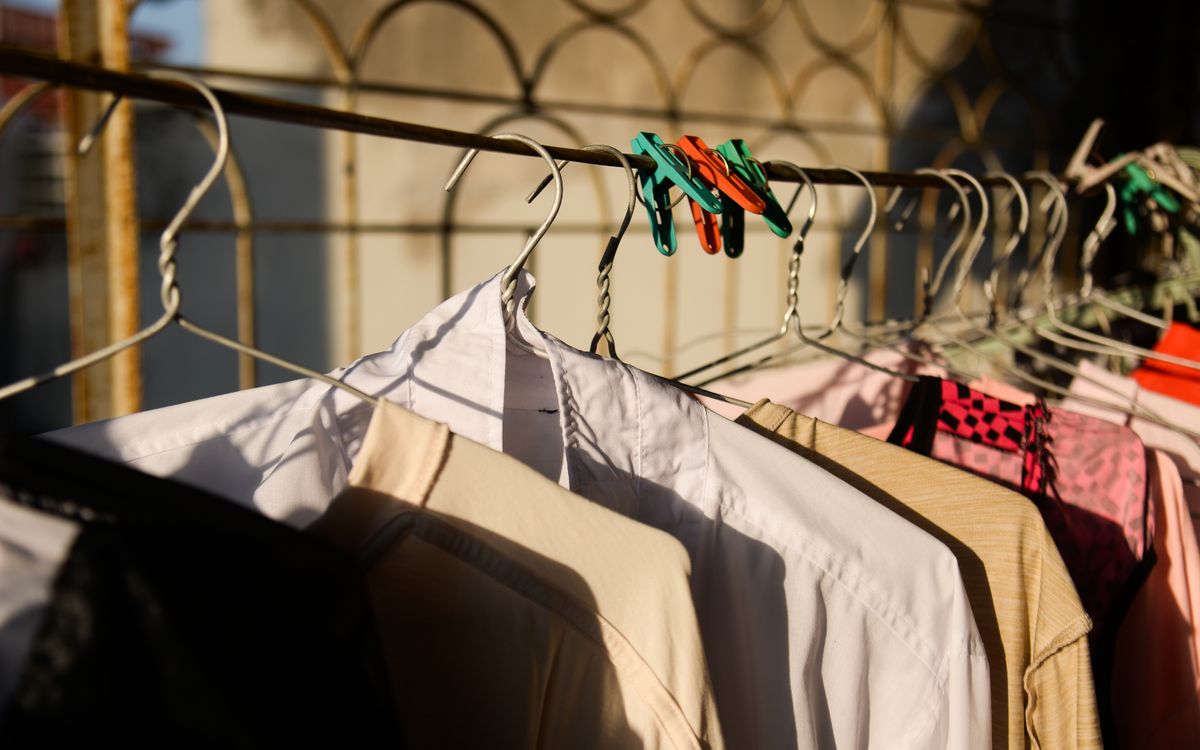
- Air it out first. Hang the jacket on a wide, sturdy hanger somewhere shaded with good airflow, ideally outdoors or near an open window, for at least a full day. Avoid direct sun, which dries and cracks leather.
- Fill it with baking soda. Pour a generous amount of baking soda into a few open socks or a breathable fabric bag, and leave them inside the jacket, in the sleeves and body, overnight. Baking soda absorbs odor without touching the leather directly.
- Try activated charcoal for stronger smells. Charcoal bags work even better than baking soda for deep or stubborn odors like smoke or fish smell. Leave them inside the jacket for 24 to 48 hours in a closed but ventilated space, such as a garment bag with the zipper cracked open.
- Wipe the lining, not the leather, with diluted vinegar. A cloth barely dampened with a weak water and vinegar mix can lift sweat odor from fabric linings. Let it dry fully before the next step.
- Condition the leather. Once the jacket is dry and smells noticeably better, apply a small amount of leather conditioner to keep the hide supple. Dry, brittle leather actually holds onto odors more stubbornly than well conditioned leather does.
- Store it properly. Use a breathable garment bag or leave it uncovered on a hanger with space around it, never a sealed plastic bag, and keep it away from damp rooms.
Mens Aviator Sheepskin Shearling Leather Jacket style shearling jackets benefit especially from the charcoal method in step three, since sheepskin holds odor longer than smooth cowhide.
What Not to Do
A few common instincts actually make leather odor worse. Never machine wash or hand soak a leather jacket, since water pulls natural oils out of the hide and can cause permanent stiffness, cracking, or shrinking as it dries. Avoid spraying strong perfume or fabric freshener directly onto leather, since alcohol-based sprays dry out the surface and the fragrance fades within a day anyway, leaving the original smell underneath once it does. Skip the dryer entirely, even on a no-heat setting, since tumbling can warp seams and damage hardware. And resist storing a jacket in a sealed bag “to keep the smell in,” which does the opposite: it traps moisture against the leather and gives odor-causing bacteria and mildew exactly the closed, damp environment they need to grow.
The Bottom Line
Bad smells in a leather jacket almost always come down to trapped moisture, absorbed sweat, or leftover tanning oils, including the specific fish smell some cheaper hides carry after their leather has gotten damp. None of those problems need water or harsh chemicals to fix; they need consistent air, baking soda or charcoal, and proper ventilated storage afterward. Treat the jacket this way after every heavy wear and you will keep the odor from building up again, so the only thing you smell when you put it on is honest, well cared for leather.
Frequently Asked Questions
Why does my leather jacket smell bad?
Most bad smells in a leather jacket come from one of three sources: sweat and body oils that soaked into the lining, damp storage that let mildew take hold, or the tanning process itself, which sometimes leaves a strong chemical or animal smell in cheaper hides. Genuine leather is porous, so it absorbs odors from your skin, cigarette smoke, and even the inside of a closet, and it holds onto them until you actively treat the jacket rather than just spraying perfume on top.
Why does my leather jacket smell like fish?
A fishy smell almost always points to the tanning process. Some lower cost leathers are treated with fish oil to keep the hide soft, and if the oil was not fully cured out, or if the jacket got wet and reactivated it, that smell can resurface, especially in humid weather. It can also happen with older suede or nubuck pieces that used a fish oil based softening agent decades ago. Airing the jacket out in a dry, ventilated space and using baking soda or activated charcoal usually reduces it a lot, though a very strong original fish smell from the tanning itself is hard to remove completely.
Can I wash a smelly leather jacket to get rid of the odor?
No, never put a leather jacket in a washing machine or soak it in water, since water strips the natural oils, stiffens the hide, and can cause it to crack or shrink as it dries. Instead treat the smell with dry methods: baking soda or activated charcoal left inside the jacket overnight, a light wipe with a leather-safe cleaner on the outside only, and plenty of open air. If the lining is washable and detachable, that piece alone can sometimes be laundered separately, but check the care label first.
How do I stop my leather jacket from smelling again after I clean it?
Store it on a wide hanger in a space with airflow, never in a sealed plastic bag, which traps moisture and lets smells build back up. Keep it away from damp basements and direct sunlight, both of which encourage odor over time. Air the jacket out for a few hours after every wear, especially if you sweated in it, and apply a leather conditioner every few months, since dry, cracked leather traps odor more easily than well conditioned leather.