
Few materials carry as much weight as leather. Say the word and it conjures luxury and fantasy, sensuality and rebellion, protection and power all at once. We have been drawn to it since the very beginning of human history, and that pull is hard to explain — something close to instinct. Leather speaks to a primal part of us, stirring sensations that no synthetic substitute has ever fully replicated. This is an introduction to leather fashion: where it came from, why it matters, and how it became one of the most enduring forces in the way we dress.
Leather is one of the few materials that is at once luxurious and rugged, sacred and rebellious — and that contradiction is exactly its power.
More Than a Material: Leather as an Art Form
From the crudest early body coverings to the runways of haute couture, leather has long been treated as an art form rather than a mere fabric. Yet it has always lived inside a contradiction. To some, it represents status, subtlety and the quiet confidence of something built to last. To others, it raises difficult questions, and a number of designers now choose to boycott animal hide in favour of artificial alternatives.
That tension is part of leather’s story. The same material can read as luxurious or raw, polished or unclean, depending entirely on who is wearing it and why. Most of us encounter leather every day — on our feet, in our bags, around our waists — yet far fewer can afford to wear it across their backs in the form of a beautifully made jacket. That gap is precisely what has secured leather’s place in the world of luxury and privilege.
Walk through the archive of almost any major fashion house and you will find leather at the centre of it — moulded into sculptural jackets, pleated into skirts, tooled and dyed in ways that treat the hide as a canvas. Designers prize it precisely because it resists easy handling: it has to be coaxed, stretched and shaped rather than simply cut and stitched. That difficulty is part of the appeal. A material that fights back rewards mastery, and the results carry a depth and presence that printed fabrics rarely achieve. It is this blend of technical challenge and sensual payoff that keeps leather at the summit of haute couture, season after season.
The Craft Behind the Hide
Despite our fascination with it, most people have only a vague idea of how leather is actually made. The reality is remarkable. Although the bulk of modern leather is chrome-tanned, the older art of vegetable tanning — using natural tannins drawn from bark and plants — is still practised today, just as it was in ancient times. It is a slow, hands-on craft that calls for genuine expertise.

Turning a raw hide into a finished garment is far more involved than most shoppers imagine:
- Tanning transforms a perishable skin into a stable, wearable material — a process that can take weeks.
- A single jacket may pass through the hands of dozens of skilled workers before it ever reaches a customer.
- Cutting, stitching, finishing and quality control each demand their own specialist knowledge.
This complexity is why a genuine leather jacket costs what it does, and why the best examples can take a month or more to complete. No other material in the history of fashion quite compares in terms of the time, skill and patience it demands. Increasingly, that craft is being paired with next-generation, organically certified tanneries that aim to reduce its environmental footprint — proof that tradition and responsibility can evolve together.
Why Real Leather Feels Different
Part of leather’s hold on us is purely sensory. There is the unmistakable, almost intoxicating aroma of a freshly finished hide — a scent the brain seems to file somewhere beneath conscious thought. There is the grain, no two pieces ever quite identical, each marked by the life of the animal and the hand of the tanner. And there is the patina: where synthetic materials simply crack and degrade, real leather improves, softening and deepening in colour as it absorbs the oils and movement of daily life.
This is why a well-made leather jacket feels less like a product and more like a companion. It quietly records where you have been: a scuff becomes a memory, a worn elbow becomes character. Few possessions in a modern wardrobe earn that kind of attachment, and fewer still reward it by lasting long enough to be passed on to someone else.
Leather as a Symbol of Rebellion
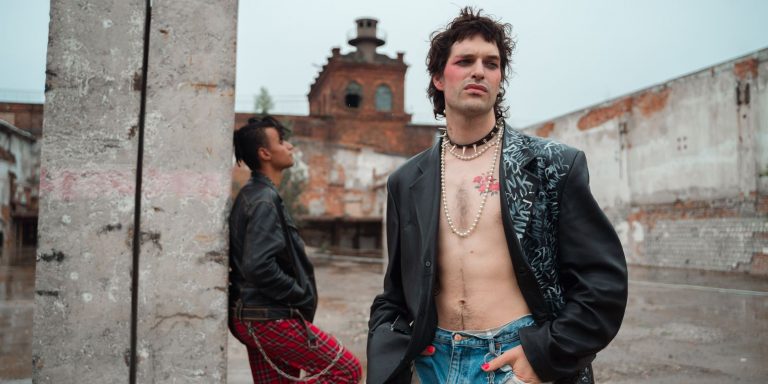
If one thread runs through leather’s modern history, it is rebellion. The image was set in stone in the 1950s, when a young Marlon Brando pulled on a motorcycle jacket in The Wild One and gave a generation a uniform for defiance. Decades later, punk rockers studded and chained that same silhouette, turning it into armour for the underground.
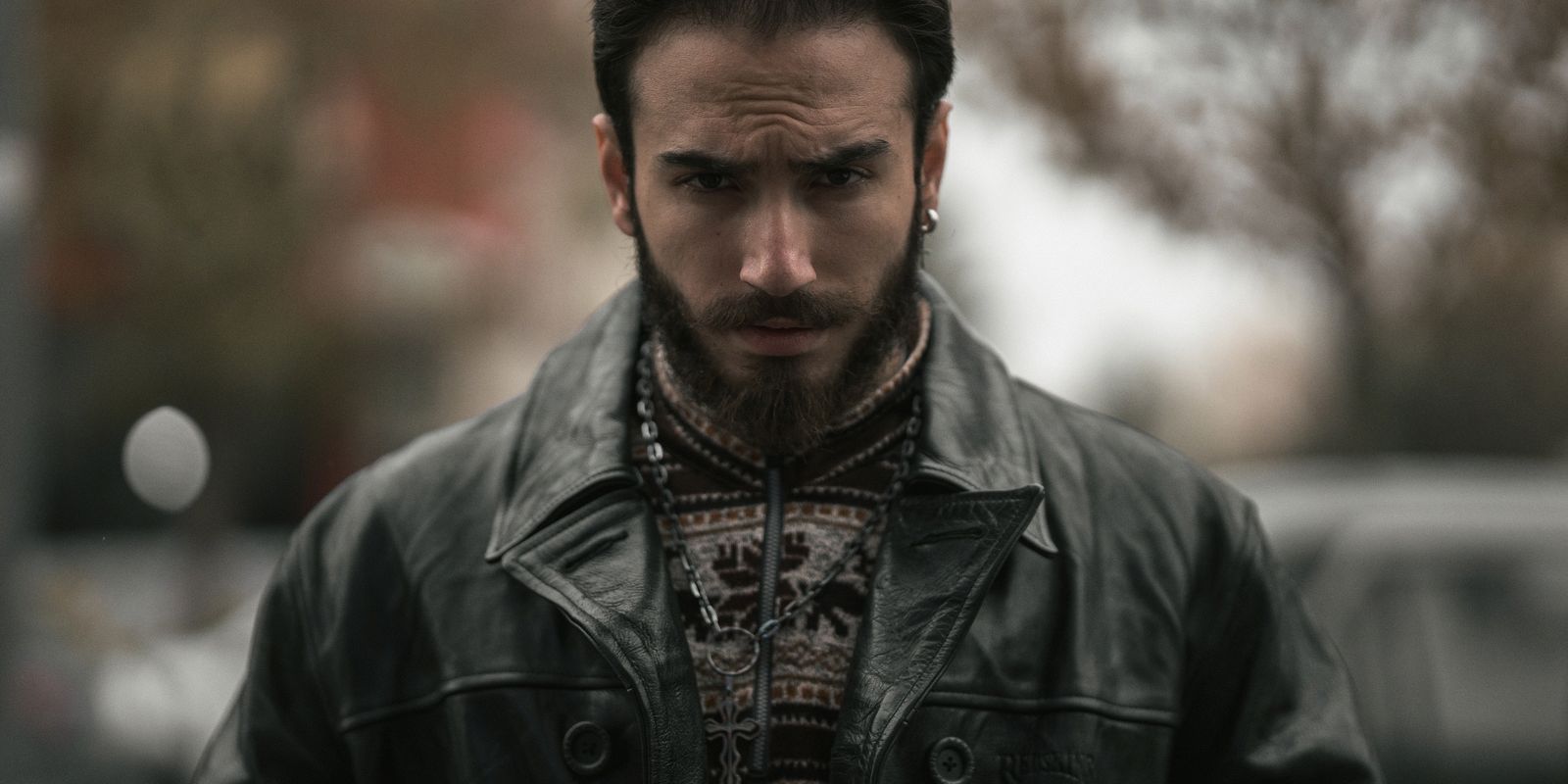
Music carried the look even further. Skin-tight leather trousers, worn first by rock legends like Elvis Presley, Jim Morrison and Mick Jagger, still feel charged with attitude today and reappear constantly in the form of stretch leather. Fringed suede jackets travelled a similar road — once the dress of cowboys and Native Americans, they were adopted by the anti-establishment hippies of the 1960s as a badge of freedom. A piece like our classic vintage biker jacket is a direct descendant of that lineage.
A Spiritual Thread Through History
Long before it was a fashion statement, leather carried spiritual meaning. Greek high priests are said to have slept wrapped in animal hide to invite prophetic dreams. Ancient Egyptians were buried with leather, believed to shield them from demons on their journey into the afterlife.
That symbolism reaches across cultures. In some Native American traditions, young girls wear coming-of-age dresses made of deerskin to celebrate their passage into womanhood. In Algeria, a birth ritual known as the Feast of the Lamb welcomes a newborn by wrapping the child in the skin of a freshly offered lamb. Across continents and centuries, leather has stood for life, protection, resurrection and ceremony — far more than an outer layer.
Built to Protect
Leather’s most ancient purpose is also its most practical: protection. From the earliest crude coverings, hide shielded the body from the elements and from danger. As civilisations advanced, it hardened into more sophisticated armour — breastplates and chain-mail backings that guarded warriors in battle.
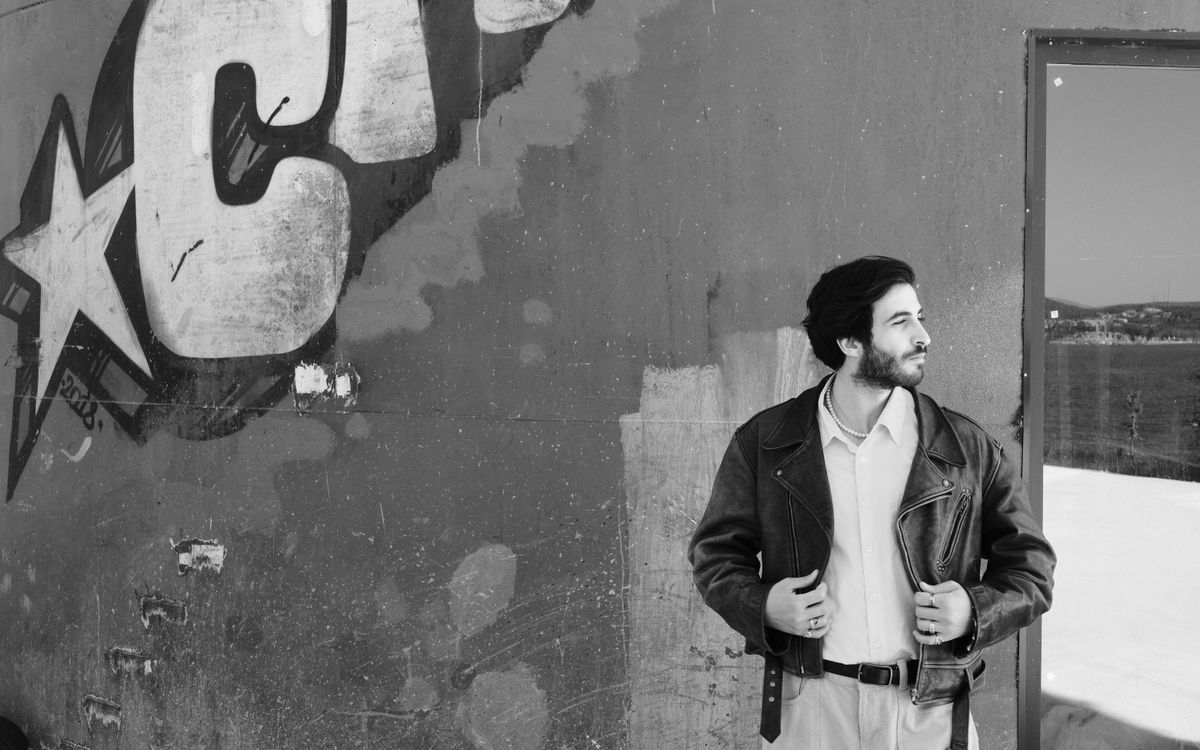
The same logic shaped working dress. Think of the chaparajos worn by American cowboys, the Spanish charros, and later the bikers of clubs like the Hell’s Angels — all relying on thick hide to survive rough terrain. During both World Wars, aviator and bomber jackets kept pilots alive in freezing, open cockpits. Leather earned its place because it is durable, functional and breathable, as at home in a rodeo or a cockpit as it is on a city street. Our aviator bomber sheepskin jacket carries that protective heritage into the present day.
The Language of Sensuality
Leather has always spoken fluently in the language of desire. Jean Paul Gaultier’s leather corset for Madonna and Thierry Mugler’s striking leather neck corset reframed the material as a symbol of female power rather than mere decoration. In film, leather has signalled both command and submission — the second-skin catsuit worn by the heroine of The Matrix, or the dominatrix wardrobe of The Story of O.
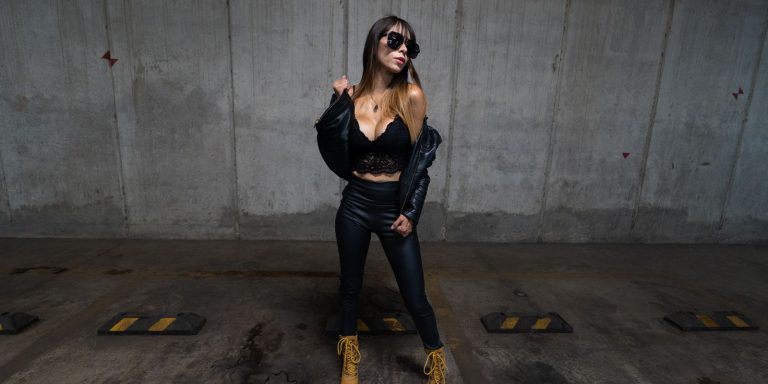
Designers including Claude Montana, Gianni Versace and Azzedine Alaïa understood this instinctively, sculpting hide to define and accentuate the body through body-conscious skirts, bondage-inspired jackets and tailored trousers. The result is a material that can be empowering and provocative in equal measure. A modern, body-skimming piece such as our women’s black moto racer jacket channels exactly that confident energy.
Unmatched Versatility
What truly sets leather apart is range. No other material moves so easily between worlds — luxury and street, ceremony and rebellion, armour and seduction. It can be the height of refinement in a tailored blazer or the essence of grit in a battered biker jacket, sometimes within the same wardrobe.
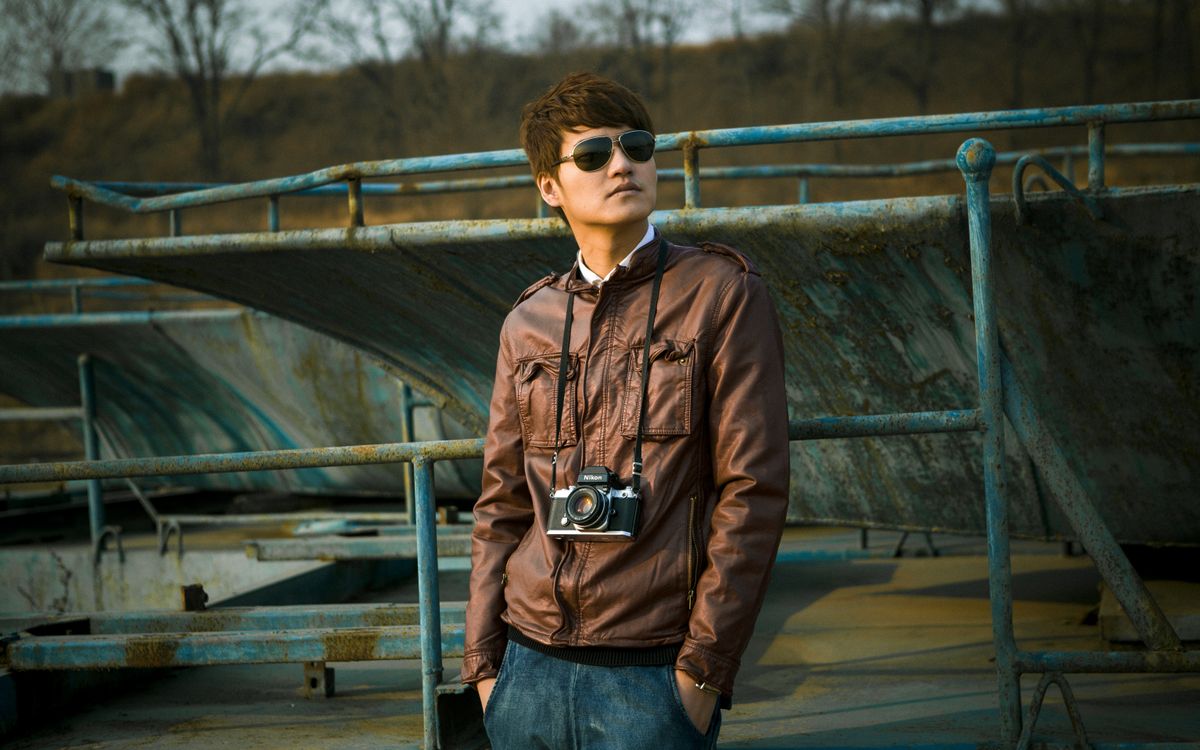
That versatility is why leather has weathered every challenge to its place in fashion. Organisations such as PETA campaign hard against it, and the rise of animal-free alternatives has genuine momentum, yet leather has never been knocked from its throne. It continues to hold its ground in the industry, just as it has held its place throughout history — quite literally since the birth of humankind.
The Future of Leather: Craft Meets Conscience
No honest introduction to leather fashion can ignore the debate that surrounds it. Animal-welfare campaigners argue against the use of hide, and a wave of plant-based and lab-grown “leathers” — made from everything from cactus to mushroom mycelium — has arrived to challenge the original. For some shoppers, these alternatives are a welcome answer to a genuine ethical question, and the technology behind them is improving quickly.
The traditional industry has not stood still either. A new generation of organically certified tanneries is reviving older vegetable-tanning methods and pairing them with stricter environmental controls, cutting back the chemicals and water that once defined the process. Many makers now treat hide as a by-product of the meat industry that would otherwise be discarded, transforming it into something built to last for decades rather than months.
There is no single right answer here, and a thoughtful wardrobe can hold more than one point of view. What matters most is buying consciously: choosing quality over quantity, knowing where a piece comes from, and keeping it long enough to justify its making. A jacket worn for twenty years tells a very different sustainability story than one thrown away after two.
Choosing Your First Real Leather Piece
If this introduction has you ready to invest, a few fundamentals will help you choose well:
- Understand the grades. Full-grain leather is the most durable and ages best; top-grain is smoother and more affordable; genuine leather is an entry point rather than a mark of quality.
- Match the leather to the style. Lamb and goat skins are light and supple; cowhide is heavier and tougher; suede is soft but needs more care.
- Prioritise fit and construction. Check the stitching, the lining and the weight of the hardware — these details separate a ten-year jacket from a one-season one.
- Care for it properly. Condition the leather a few times a year, keep it out of prolonged direct sun, and store it on a padded hanger in a breathable cover.
Bought thoughtfully and maintained well, a real leather jacket is one of the rare garments that grows more characterful — and more valuable to you — with every year of wear.
Conclusion
Leather is luxurious and rebellious, sacred and sensual, protective and provocative. It has clothed priests and pilots, cowboys and rock stars, and it still anchors the wardrobes of anyone who wants a piece with genuine history behind it. To understand leather fashion is to understand a thread that runs through the whole story of how we dress — and to choose a real leather jacket is to wear a small part of that story yourself.
Frequently Asked Questions
Why is leather considered a luxury material in fashion?
Genuine leather is durable, ages beautifully into a unique patina, and demands real craftsmanship to tan and construct. Its scarcity, longevity and tactile quality have made it a symbol of status and refinement for centuries.
What is the difference between vegetable-tanned and chrome-tanned leather?
Vegetable tanning uses natural tannins from bark and plants — it is slow, traditional and develops a rich patina. Chrome tanning is faster and produces softer, more colour-stable leather. Each suits different jackets and price points.
Why have leather jackets symbolised rebellion?
From Marlon Brando’s biker jacket to punk and rock icons, leather became shorthand for independence and counterculture. Its tough, protective character let wearers signal that they lived by their own rules.
Is real leather better than faux leather?
Real leather lasts far longer, breathes better and ages with character, so its cost-per-wear is usually lower. Faux leather is animal-free and cheaper upfront but tends to crack and wear out faster.
Start your leather wardrobe with the essential piece — a Buneri men’s leather jacket.