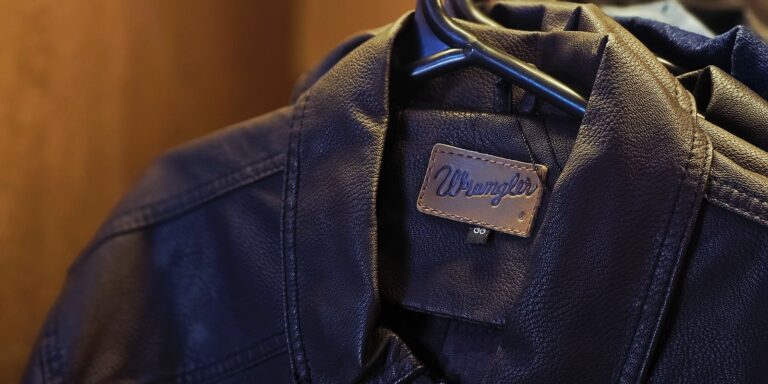

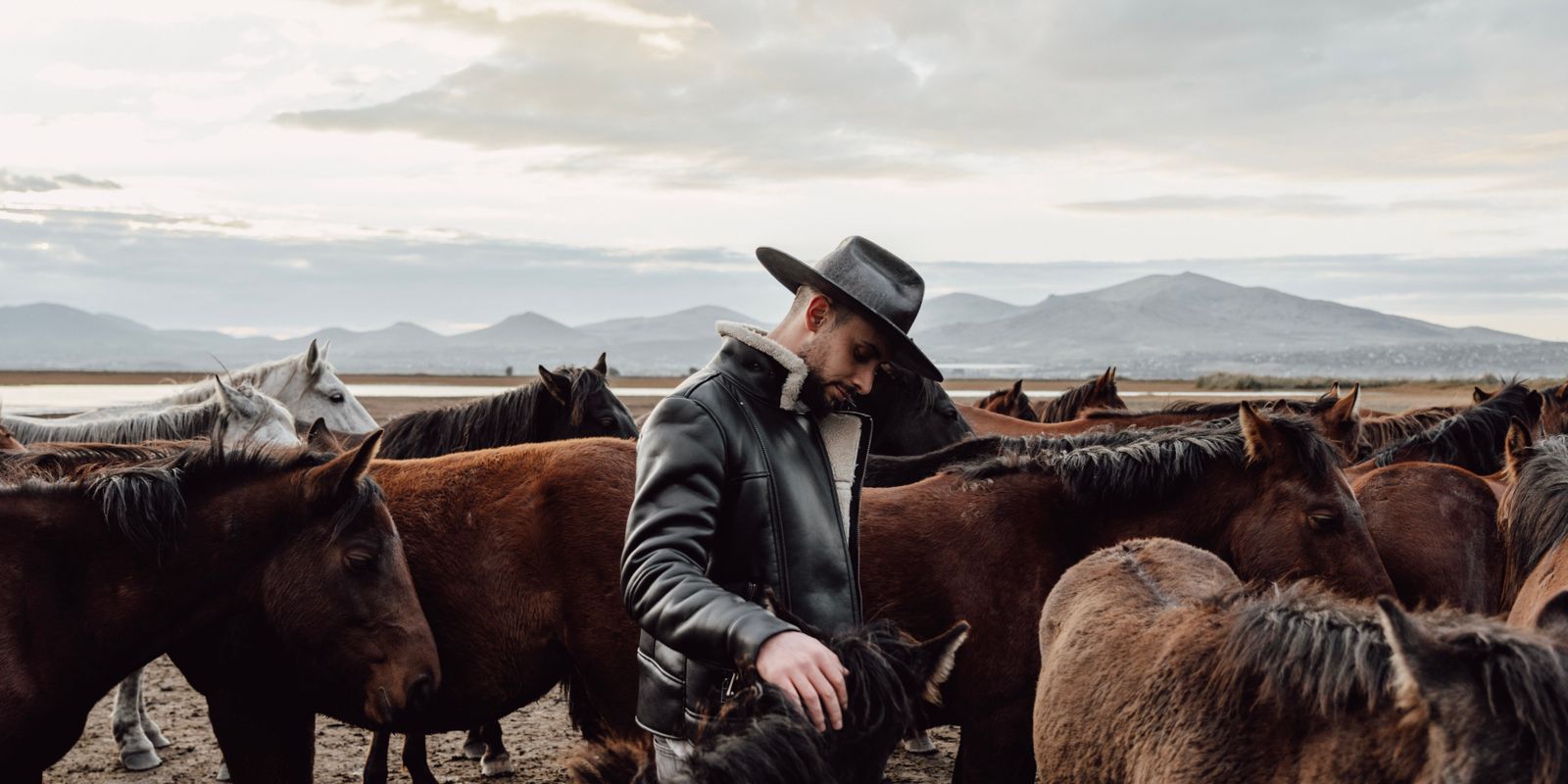
As people grew more skilled at tanning, the range of objects and clothing made from leather grew with them. The story of leather through the ages runs straight through the heart of Europe and across the ocean to the Americas, leaving its mark on Spanish palaces, Roman armies, French perfumeries and the open plains of the American West. Here is how that journey unfolded.
Wherever a new craft or industry took root, a tannery was rarely far behind.
Spain and the Birth of Cordovan Leather
In eighth century Spain, the ruling Moors developed a tanning process that produced the famous Cordovan leather, also known simply as Spanish leather. This softly tanned goatskin was dyed in a wide range of colours and was often perfumed, which made it prized far beyond Spain.
By the fifteenth century, Spanish leather had become a mark of refinement throughout Europe. Many homes contained wall hangings, upholstery, book covers, waistcoats and jackets made from it, some of them hand painted, carved, inlaid or stamped in silver and gold. That love of supple, colourful hide still echoes in a piece like our suede leather jacket, soft to the touch and made to be shown off.
Italy: From Gold Leaf to Great Tanneries
Across Europe, tanneries often grew up beside other trades. Solofra, in Italy, is celebrated today for its many fine tanneries, yet the town was originally famous for something else entirely: gold leaf, used in the 1400s to decorate Italian buildings and their contents.
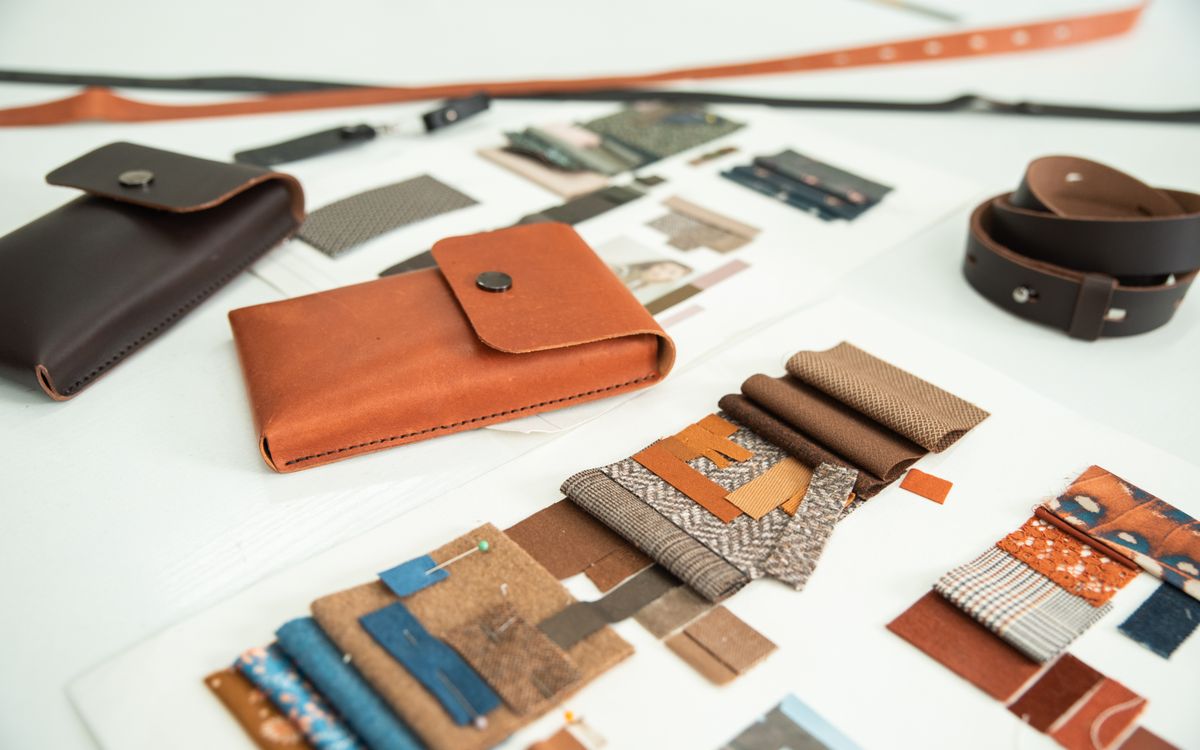
To beat gold into wafer thin sheets, artisans hammered large ingots over a heavy leather pad. Those pads wore out quickly under a year of pounding, and at first the craftsmen imported the leather at great expense. Eventually they began tanning their own, and many set up sidelines selling leather saddles, whips and boots. When fashion in architecture turned away from gold leaf, the families whose livelihoods depended on it needed new work, and many turned to tanning full time. No one makes gold leaf in Solofra now, but the town is home to more than two hundred tanners.
Rome and the Roots of European Leather
The European story reaches much further back. In 1873, a tannery was uncovered in the ruins of Pompeii, proof that the Romans were already making leather footwear, clothing and ornaments. They had learned the craft from the Etruscans, who lived between 750 and 500 BC and passed their skills on to Rome, where it grew into a respected trade complete with a tanners’ guild.
At first, Roman soldiers used leather mainly for shields, breastplates and sandals. While campaigning against the nomadic Teutonic tribes in the cold of northern Europe, they noticed that those tribes wore whole garments made of leather. The Romans adopted the idea and returned home wearing leather trousers they called braccae.
France: Where Leather Met Perfume
France offers another case of leather joining forces with a neighbouring craft. In the seventeenth century, the French nobility wore leather gauntlets and gloves, but the tanning process left an unpleasant odour on them. The solution was to bathe the gloves in perfume. Because the tanneries were clustered in the south of France, perfume makers travelled there to sell their wares and in time settled permanently. The tanneries have long since moved on, yet the perfume industry is still concentrated in Grasse, in the south. Leather also became fashionable dress across Europe, and in sixteenth and seventeenth century England it was used much as it had been in ancient Rome, for protective clothing worn while working or fighting.
The Americas, South and North
While Europe refined the art of tanning, the great civilisations of the Americas were advancing their own. The Aztec, Mayan and Incan peoples made clothing from the skins of native animals such as buck, buffalo and deer.
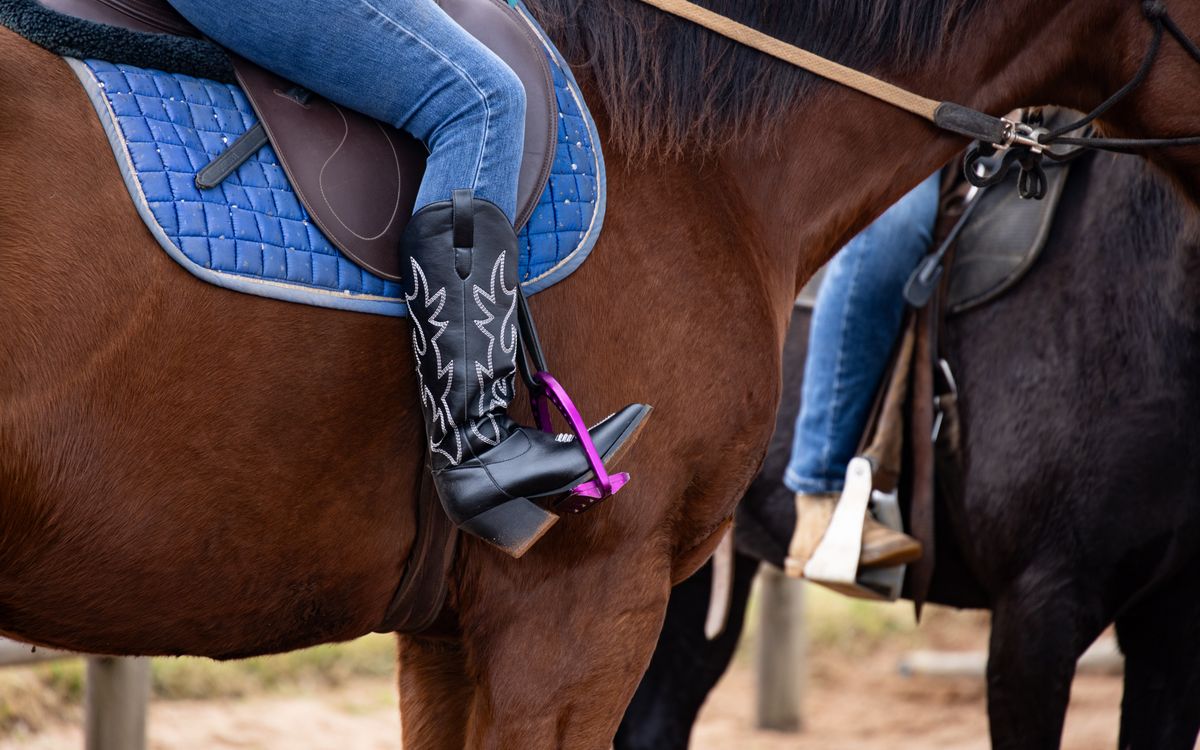
In the north, the first European settlers brought their own tanning methods and improved them with the advanced skills of the Native North Americans, including the technique of oil tanning. Native Americans built teepees from leather and decorated their clothing and moccasins with beads, feathers, porcupine quills and bone, sometimes painting scenes of famous battles onto the hide. By the late seventeenth century, tanneries had spread across the early American colonies. Borrowing from Native traditions, the settlers of the American West wore fringed buckskin jackets, waistcoats, chaps, boots and gauntlets, a look our western cowboy leather vest still carries today.
From Heritage to Modern Wardrobe
What ties all of this together is continuity. The same instincts that dressed Roman soldiers, Spanish nobles and frontier riders still shape how we wear leather now. A piece like our western-design leather blazer gathers centuries of that heritage into a single modern garment.
Conclusion
From the perfumed goatskins of Moorish Spain to the gold beaters of Solofra, from Roman braccae to the buckskin of the American plains, leather has woven itself through the history of two continents. To wear it today is to inherit a craft that has crossed empires and oceans, and that still feels every bit as alive.
Frequently Asked Questions
What is Cordovan or Spanish leather?
Cordovan leather is a softly tanned goatskin first created by the Moors in eighth century Spain. It was dyed in many colours and often perfumed, and by the fifteenth century it decorated homes across Europe as wall hangings, book covers and clothing.
Why is the French town of Grasse linked to perfume?
In the seventeenth century, French tanneries in the south perfumed their leather gloves to mask the smell of tanning. Perfume makers travelled there to supply them and eventually settled, which is why Grasse remains a centre of perfume today.
What were braccae?
Braccae were leather trousers worn by Roman soldiers. They adopted them after encountering northern European tribes who wore full leather garments, and brought the style back to Rome.
What is oil tanning?
Oil tanning is a method of preserving hide using oils to keep it soft and water resistant. Native North Americans were highly skilled at it, and early European settlers improved their own methods by learning from them.
European leather heritage lives on in every Buneri leather jacket.