
Walk into any shop and you will see leather jackets labelled full-grain, top-grain, genuine leather and 100% leather, often with a big price gap between them and almost no explanation of what the words mean. Most shoppers assume genuine leather is the best because it sounds the most honest, and that 100% leather guarantees top quality. Both assumptions are wrong. Understanding full grain vs genuine leather is the single most useful thing you can learn before buying, because it is the difference between a jacket that lasts twenty years and one that peels within two. Here is what each grade really is, what a leather jacket is actually made of, and how to read the labels without being caught out.
“Genuine leather” is not a compliment. In the trade it is one of the lowest grades there is, and full-grain, which almost never carries that word, is the one you actually want.
What Is a Leather Jacket Actually Made Of?
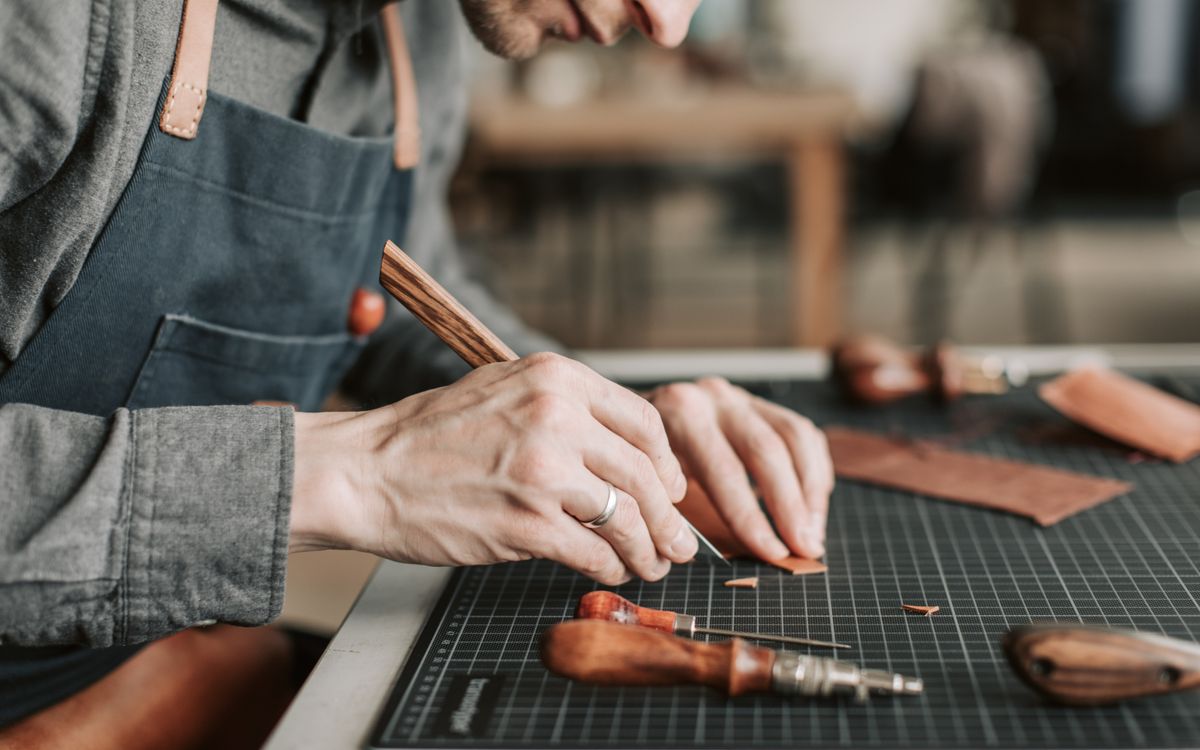
Before comparing grades, it helps to know what you are holding. A real leather jacket is made from tanned animal hide cut into panels and stitched together over a lining. The most common hides are cowhide, which is thick and hard-wearing, and lambskin, which is thinner, softer and lighter. Goatskin and sheepskin appear often too. The outer shell you see and touch is the leather itself, the inside carries a fabric or quilted lining, and the rest is hardware: zips, buttons and thread.
The key point is that a single animal hide is not one uniform material. It has layers. The outermost layer, just under the hair, is dense, tight and strong. The deeper you go into the hide, the looser and weaker the fibres become. How a tannery uses those layers is exactly what separates full-grain from top-grain from so-called genuine leather. Same animal, very different results depending on which slice of the hide ends up on your jacket.
Is 100% Leather Real Leather?
Yes, and this is where a lot of confusion starts. A 100% leather label simply means the material is entirely real animal hide, with no synthetic backing, no bonded scraps and no fabric blend mixed in. So a 100% leather jacket is genuinely leather rather than imitation, which is a real and useful guarantee.
What the phrase does not tell you is the grade. Full-grain, top-grain and split leather can all be described, completely honestly, as 100% leather, even though one will outlast the others by decades. In other words, 100% leather answers the question “is this real?” but says nothing about “is this good?” That is why you should always look past it to the grain type. A cheap jacket made from the weak lower splits of the hide can still wear a 100% leather tag with a clear conscience.
Full-Grain Leather: The Top of the Range
Full-grain is the highest quality leather there is. It uses the entire top layer of the hide with the natural grain left completely intact, nothing sanded away, nothing corrected. Because that surface layer has the tightest, strongest fibres, full-grain is the toughest and longest lasting grade, and it is the only one that develops a real patina, the soft sheen and deepening colour that a good leather jacket earns over years of wear.
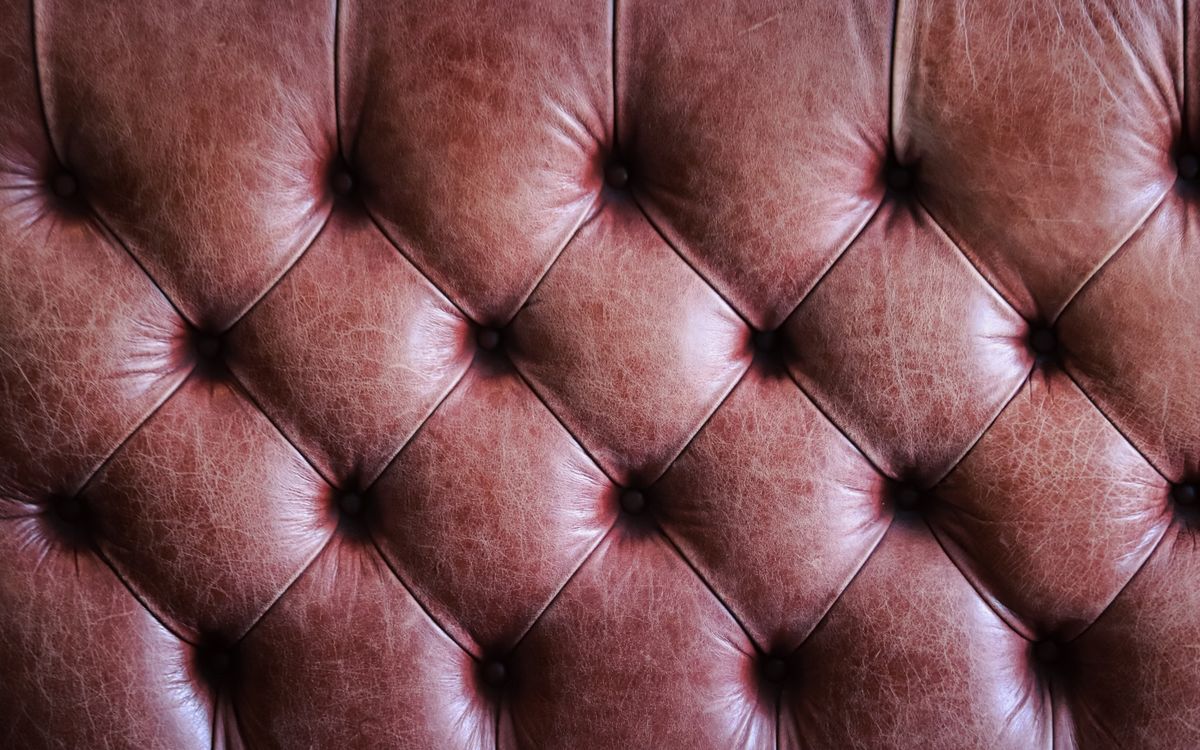
You can recognise it by its character. Full-grain shows the hide’s natural markings: slightly irregular pores, the odd small scar or wrinkle, a grain that varies from panel to panel. Some people mistake that for imperfection, but it is proof the surface has not been sanded flat and stamped with a fake texture. Lambskin can also be full-grain, giving you that buttery softness with the natural surface intact, as with the Men Genuine Lambskin Black Leather Jacket, where the grain is real rather than printed on.
Top-Grain Leather: The Practical Middle Ground
Top-grain is the second grade, and for a lot of jackets it is a sensible choice. It also comes from the upper part of the hide, but the very top surface is lightly sanded to remove blemishes, then finished to a smoother, more uniform look. That sanding costs a little strength and it takes away some of the natural patina potential, but top-grain is still a strong, quality material, thinner and more flexible than raw full-grain and often easier to break in.
A top-grain cowhide jacket is a genuinely good buy, tough enough for real motorcycle use yet smooth and even in appearance, as you can see in the Men Top Grain Leather Motorcycle Cowhide Jacket. If you want the durability of cowhide with a cleaner, more consistent surface than full-grain gives, this is the grade to look for.
Genuine Leather: The Grade That Fools People
Here is the twist that catches almost everyone. In the leather trade, “genuine leather” is not a mark of quality at all, it is a specific low grade. It is usually made from the lower split layers of the hide, the weak fibres left over after the valuable top layers have been removed. That split is then heavily sanded, coated and embossed with an artificial grain so it looks like a proper leather surface.
The word “genuine” is technically accurate, because it is still real hide rather than plastic, but it is doing marketing work. A jacket sold simply as “genuine leather” with no mention of full-grain or top-grain is almost always at the cheaper end. It will feel more like a coated, uniform sheet than a living material, it will not develop a patina, and it is far more likely to crack or peel as the surface coating breaks down. So in the full grain vs genuine leather question, full-grain wins clearly, despite genuine leather having the more reassuring name.
None of this means every affordable leather jacket is bad. A well-made cowhide biker jacket can be honest, hard-wearing and fairly priced, like the Mens Genuine Cowhide Leather Jacket Black Motorcycle, where genuine here describes the cowhide rather than a corrected split. The lesson is not to fear the word, but to look at what it is describing and to ask about the grade rather than trusting the label alone.
Bonded Leather: Not Really Leather at All
Worth a quick warning, because it sits at the very bottom. Bonded leather is made from shredded leather scraps and dust glued onto a fabric backing with polyurethane, then embossed. It might carry a small percentage of real leather, but it behaves like plastic, peels within a year or two, and should never be confused with a genuine leather jacket. If a price looks too good to be true and the description avoids naming a grade, bonded is often what you are actually being sold.
The Leather Grade Ranking at a Glance
From best to worst, the order is simple once you know it:
- Full-grain: entire top layer, natural grain intact, strongest, ages into a patina. The premium choice.
- Top-grain: top layer lightly sanded and finished, strong and smooth, slightly less character. Excellent everyday quality.
- Genuine (split) leather: lower hide layers, sanded and coated with a fake grain. Real but low grade, prone to cracking.
- Bonded leather: glued scraps on fabric. Avoid for jackets.
How to Check Leather Quality Before You Buy
You do not need to be an expert to spot the difference in person. Run through this quick checklist:
- Look at the surface: real full-grain shows natural, slightly uneven pores and small marks. A perfectly uniform, printed-looking grain points to a corrected or genuine split.
- Check the edges: cut edges on quality leather look solid and fibrous all the way through. A fabric or foam layer peeking out of the edge means a coated split or bonded leather.
- Feel the weight and flex: real hide is supple, warms to your hand and creases naturally. Coated leather feels stiff, cool and plasticky, and creases in hard lines.
- Smell it: full-grain has a rich, natural leather scent. A chemical or plastic smell is a warning sign.
- Read the label properly: “full-grain” or “top-grain” told to you plainly is a good sign. “Genuine leather” as the only description, or no grade named at all, means ask more questions.
Do those five things and you will avoid almost every disappointing leather purchase, whatever the price bracket.
So Which Grade Should You Buy?
For a jacket you want to keep for many years and watch improve with age, full-grain is the answer, ideally in cowhide for toughness or full-grain lambskin for softness. If you want quality at a slightly gentler price with a smoother, more uniform look, top-grain cowhide is a smart middle path and perfectly hard-wearing. Treat plain “genuine leather” as a budget option: fine for an occasional-wear jacket, but not something that will develop character or last decades. And walk away from bonded leather entirely.
The trick is simply to read past the marketing. “100% leather” tells you it is real, not how good it is. “Genuine leather” sounds premium but usually is not. The words that actually promise quality are full-grain and, close behind, top-grain.
The Bottom Line
The leather labelling world is built to sound reassuring rather than to inform, which is why so many buyers pay for the wrong words. Remember the real order: full-grain at the top, top-grain just below, genuine leather well down the list despite its flattering name, and bonded leather off the list altogether. Learn to read a hide by its surface, its edges and its smell, and full grain vs genuine leather stops being a marketing trick and becomes a simple, confident choice you can make in seconds.
Frequently Asked Questions
Is 100% leather real leather?
Yes. A 100% leather label means the material is made entirely from real animal hide with no synthetic backing or fabric blend, so nothing on that panel is imitation leather. What the label does not tell you is which grade of leather it is. Full-grain, top-grain and split leather can all honestly be described as 100% leather even though they differ hugely in strength and lifespan. So 100% leather confirms the material is genuine hide, but you still need to check the grain type to know how good it actually is.
What is a leather jacket actually made of?
A leather jacket is made from tanned animal hide, most often cowhide, lambskin, goatskin or sheepskin, cut into panels and stitched together with a lining inside. The outer shell is the leather itself, usually full-grain or top-grain on a quality jacket, while the inside carries a fabric or quilted lining for comfort and warmth. Zips, buttons and thread make up the hardware. On a real leather jacket every visible outer panel is hide, not a coated fabric pretending to be leather.
Is genuine leather better than full-grain leather?
No, and this is the biggest myth in leather buying. In the trade, genuine leather is actually a low grade made from the lower split layers of the hide, often sanded and coated to look uniform. Full-grain is the top layer with the natural grain intact and is the strongest, longest lasting grade there is. The word genuine sounds premium but usually signals a cheaper product, so full-grain is clearly the better material despite the confusing name.
How can I tell full-grain leather from cheaper grades?
Look closely at the surface and the edges. Full-grain shows natural, slightly irregular pores, small marks and a grain that varies across the panel, and it develops a patina as it ages. Cheaper corrected or genuine leather looks perfectly uniform because the surface has been sanded and stamped with a fake grain, and it tends to crack or peel rather than soften over time. The smell helps too, since real full-grain has a rich natural leather scent rather than a plastic or chemical one.