
Most things you buy start out at their best and go downhill from there. A leather jacket is one of the rare exceptions. Buy a good one, wear it often, and it does something almost no other garment manages: it gets better. The colour deepens, the surface softens, the creases settle into exactly the places your body bends, and slowly the jacket stops looking like a product and starts looking like yours. That transformation has a name, and it is the whole secret behind why people become so attached to a single leather jacket. This guide explains what patina is, why real leather improves with age, how a distressed or vintage finish relates to it, and how to look after your jacket so it ages into something beautiful rather than something tired.
A leather jacket is one of the few things you own that is worth more to you after ten years than the day it arrived. That is patina doing its quiet work.
What Is Leather Jacket Patina?
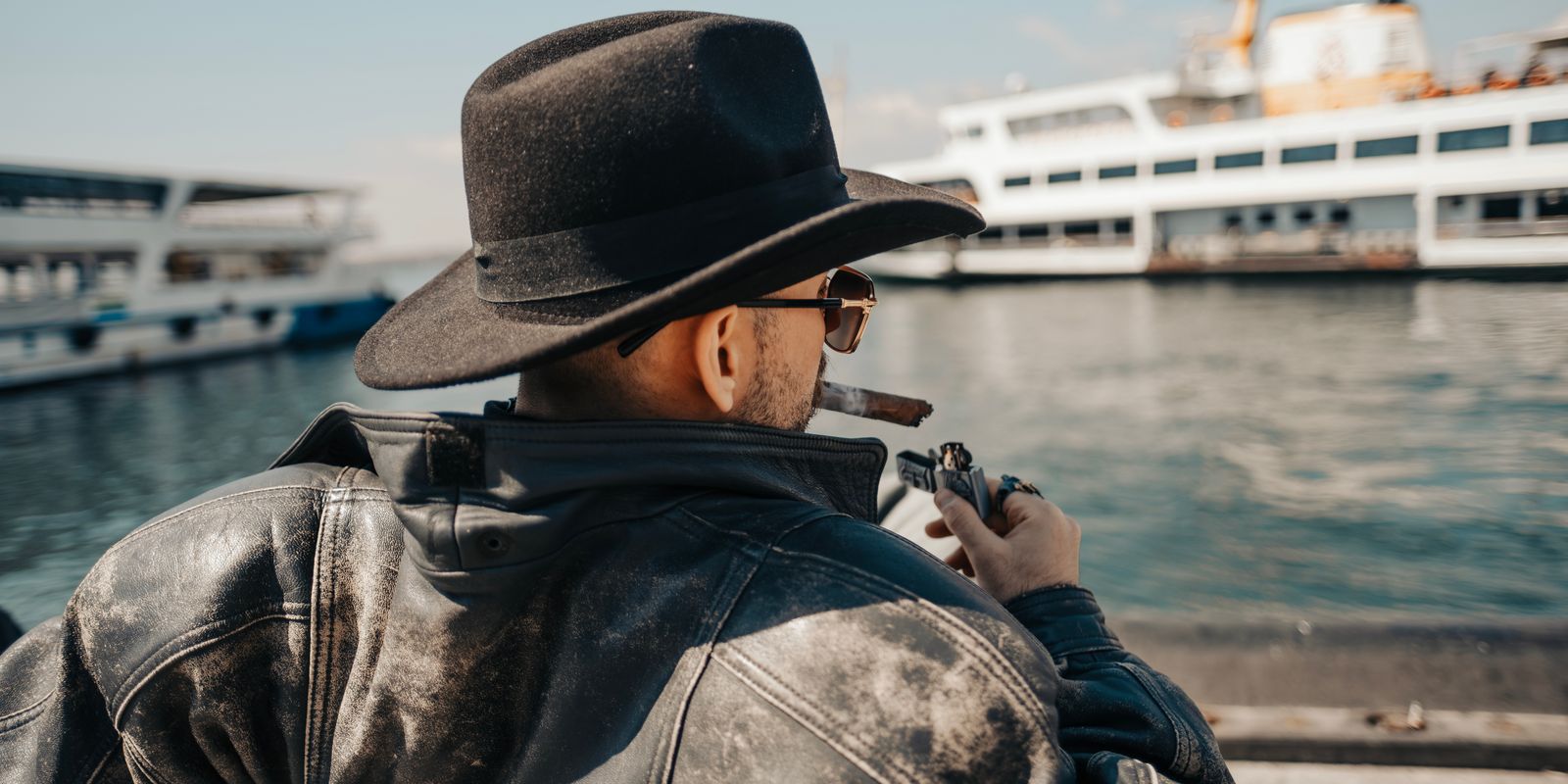
Patina is the character real leather develops as it is worn and lived in. Think of the faint shine that appears on the shoulders and forearms, the way the colour grows richer where your hands rest, the pale soft lines that form at the elbows and across the back. On a real hide, none of that is wear and tear in the bad sense. It is the grain of the leather responding to light, to the natural oils in your skin, to movement and to time.
The key word is real. Patina only happens on genuine leather, because only genuine leather has a natural grain and fibre structure that can change. Every Buneri jacket is made from real sheepskin leather, which is exactly the kind of hide that ages this way. A coated imitation or a plastic sold as vegan cannot build a patina, because there is nothing underneath the surface to develop. Instead, those materials simply crack, peel and look worse. That difference is the single clearest reason real leather is worth buying: it is the only kind that rewards you for wearing it.
Why Does Leather Get Better with Age?
It helps to understand what is actually happening to the hide. Leather is a natural material full of tiny fibres and pores. When it is new, those fibres are relatively tight and the surface is even. As you wear the jacket, three things happen at once, and together they create the look people love.
First, the leather absorbs small amounts of oil, from your skin, from the air, from the occasional light conditioning. This keeps the fibres flexible and gradually gives the surface a soft, low sheen. Second, the hide flexes where your body flexes, so the fibres loosen in those exact spots and create natural creases at the elbows, the crook of the arm and the base of the back. Third, light and handling very slowly shift the colour, deepening it overall while lifting it on the high points that rub most. The result is a jacket with depth and contrast that no factory can print, because it is a record of your life rather than a pattern.
A clean, classic cut is the best canvas for this, because there is nowhere for the ageing to hide and nothing to distract from it. The Buneri Vintage Black Soft Leather Cross Zip Biker Jacket is a good example, a simple soft-leather shape that starts handsome and only gains character as the months pass.
Distressed Leather and the Aging Process
Sometimes you do not want to wait years to get that lived-in look, and the good news is you do not always have to. This is where a distressed or vintage finish comes in. At the workshop, the leather can be treated so that it already looks gently worn: the surface is rubbed back in places, the colour is pulled unevenly, and the hide is softened so it reads as a jacket that has been loved for a while, even on its first day.
It is important to be clear about what this is and is not. A distressed finish is a genuine leather hide that has been given a head start in the aging story. It is not fake wear painted onto plastic. On a real jacket, that factory-made character then continues to develop through your own patina, so the two blend into one seamless, deepening look over time. The rubbed-off high points will keep lifting, the creases you add will join the ones already there, and within a season the jacket is unmistakably yours.
A casual, easy-wearing shape takes a distressed finish especially well, because the relaxed cut and the worn surface reinforce each other. The Buneri Black Leather Cafe Racer Casual Biker Jacket is cut exactly for that unforced, already-broken-in feeling.
How a vintage effect is built honestly
A good vintage effect is subtle. It should look like the jacket has had an interesting life, not like it has been dragged behind a car. On real leather, the treatment works with the grain, so even the rubbed areas feel like leather, not like scuffed paint. If you like the idea of character on the surface with a little extra detail, a design with visible stripes or panelling shows the aging in an interesting way as the raised areas catch the light first. The Buneri Black Real Leather Cafe Racer Biker Jacket Multi Stripes is one such piece, where the stripes become the first places to glow as the jacket ages.
How to Build a Beautiful Patina: A Simple Routine
You cannot force a patina, but you can absolutely help one along and keep it healthy. The approach is gentle and consistent rather than heavy-handed. Here is a routine that works.
- Wear it often. This is the most important step by far. Leather that is used regularly stays supple and ages evenly. A jacket left in a cupboard for a year can dry out and stiffen instead.
- Keep it away from direct heat. Radiators, hot car dashboards and open fires dry the hide and can make it brittle. Warmth from your own body is all the jacket needs.
- Let it dry naturally. If you get caught in the rain, hang the jacket on a wide hanger at room temperature and let it dry slowly. Never use a hairdryer or put it on a radiator, which can crack the leather.
- Wipe, do not scrub. A soft dry cloth to lift dust is enough for everyday care. For a mark, a barely damp cloth and a light touch is safer than any harsh cleaner.
- Condition lightly, two or three times a year. Use a small amount of a proper leather conditioner, work it in with a soft cloth, and let it soak in overnight. Too much conditioner too often can make leather soft and dull, so less is genuinely more.
- Store it with room to breathe. A wide hanger in an airy wardrobe is ideal. Avoid sealed plastic covers, which trap moisture.
Follow that and the hide will darken, soften and glow in exactly the way you want, rather than drying and cracking.

Mistakes That Ruin Patina Instead of Building It
Just as useful as knowing what to do is knowing what to avoid. The most common mistake is over-conditioning, drowning the leather in cream in the hope of speeding things up. This only clogs the surface and dulls the natural sheen. The second is heat, whether from drying a wet jacket too fast or leaving it in a baking car, both of which dry the fibres out and lead to cracking. The third is neglect at the other extreme: leaving a jacket unworn and unaired for long stretches so it stiffens. And finally, harsh household cleaners or wipes strip the natural oils and can lift colour unevenly in the worst way. Patina is built by wearing and gentle care, nothing more dramatic than that.
A Jacket Worth Keeping
The reason a real leather jacket is such a satisfying thing to own is that it is one of the few purchases that rewards time rather than punishing it. Every crease and every soft gleam is a small record of where you have been. A Buneri jacket gives you a genuine hide to start that story with, real sheepskin leather that is hand-made to order in the brand’s own workshop, shipped to your door with free delivery and a 30-day return if it is not right. Buy a good one, wear it like you mean it, look after it gently, and in a few years you will have something far better than new. You will have a jacket that is unmistakably, beautifully yours.
Frequently Asked Questions
What is patina on a leather jacket?
Patina is the soft, lived-in character that real leather develops over months and years of wear. It is the gentle sheen on the shoulders, the pale creases at the elbows, the way the colour deepens where your hands rest and lightens where the jacket folds. None of it is damage. It is the surface of the hide recording how you actually move and live, picking up small amounts of oil from your skin, light from the sun and softness from being worn. A coated or plastic imitation cannot do this, because there is no real grain to change. Only genuine leather, like the real sheepskin leather Buneri uses, ages into a patina, and that is exactly why a leather jacket is one of the few things in your wardrobe that looks better the longer you keep it.
How long does it take for a leather jacket to develop patina?
You will usually see the first signs within a few weeks of regular wear: faint creases forming where you bend your arms, a little softness in a collar that started stiff. A real patina, the kind people notice and admire, takes longer, often six months to a couple of years of steady use. The speed depends on how often you wear the jacket, how much sun and handling it gets, and the colour and finish of the leather. Brown and tan hides tend to show patina sooner and more dramatically than black. There is no way to rush it honestly, and you should not try. The whole point is that the look is earned, so wear the jacket often, look after it, and let time do the work.
Is a worn or distressed leather look the same as patina?
They are related but not identical. A used look or distressed finish is a style the jacket is made with, where the leather is treated at the workshop so it already looks a little worn, rubbed back or vintage from day one. Patina is what happens naturally afterwards, as you wear it. The two work beautifully together: a jacket made with a vintage, rubbed-off finish gives you an attractive head start, and then your own patina builds on top of it over time, making the piece genuinely yours. If you want the aged character immediately, choose a jacket finished in a used or rub-off style. If you prefer to watch it develop from clean, start with a plain finish and be patient.
How do I take care of leather so it ages well?
Good patina comes from steady, gentle care rather than heavy treatment. Wear the jacket regularly, because leather that is used stays supple while leather left in a cupboard can dry and stiffen. Keep it away from direct heat like radiators and hot car interiors, which dry the hide out. Let it dry naturally at room temperature if it gets wet, never with a hairdryer. Wipe off dust with a soft dry cloth, and condition the leather lightly only two or three times a year, using a small amount of a proper leather conditioner and letting it soak in. Store it on a wide hanger with room to breathe, not squashed in plastic. Do all of this and the hide will darken, soften and glow instead of cracking, giving you years of that deepening vintage character.