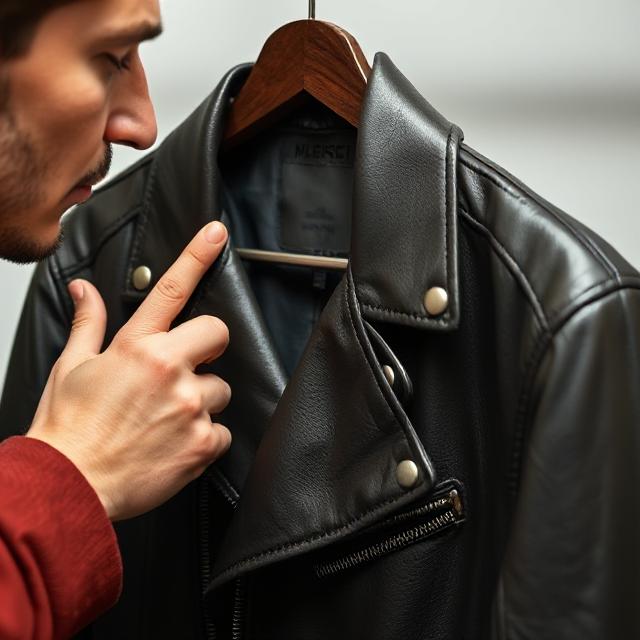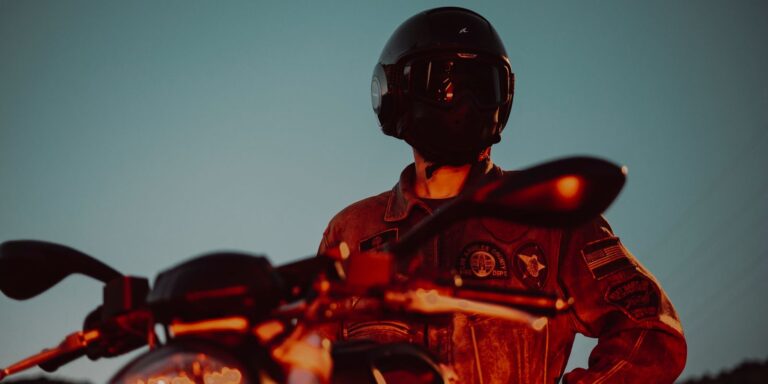

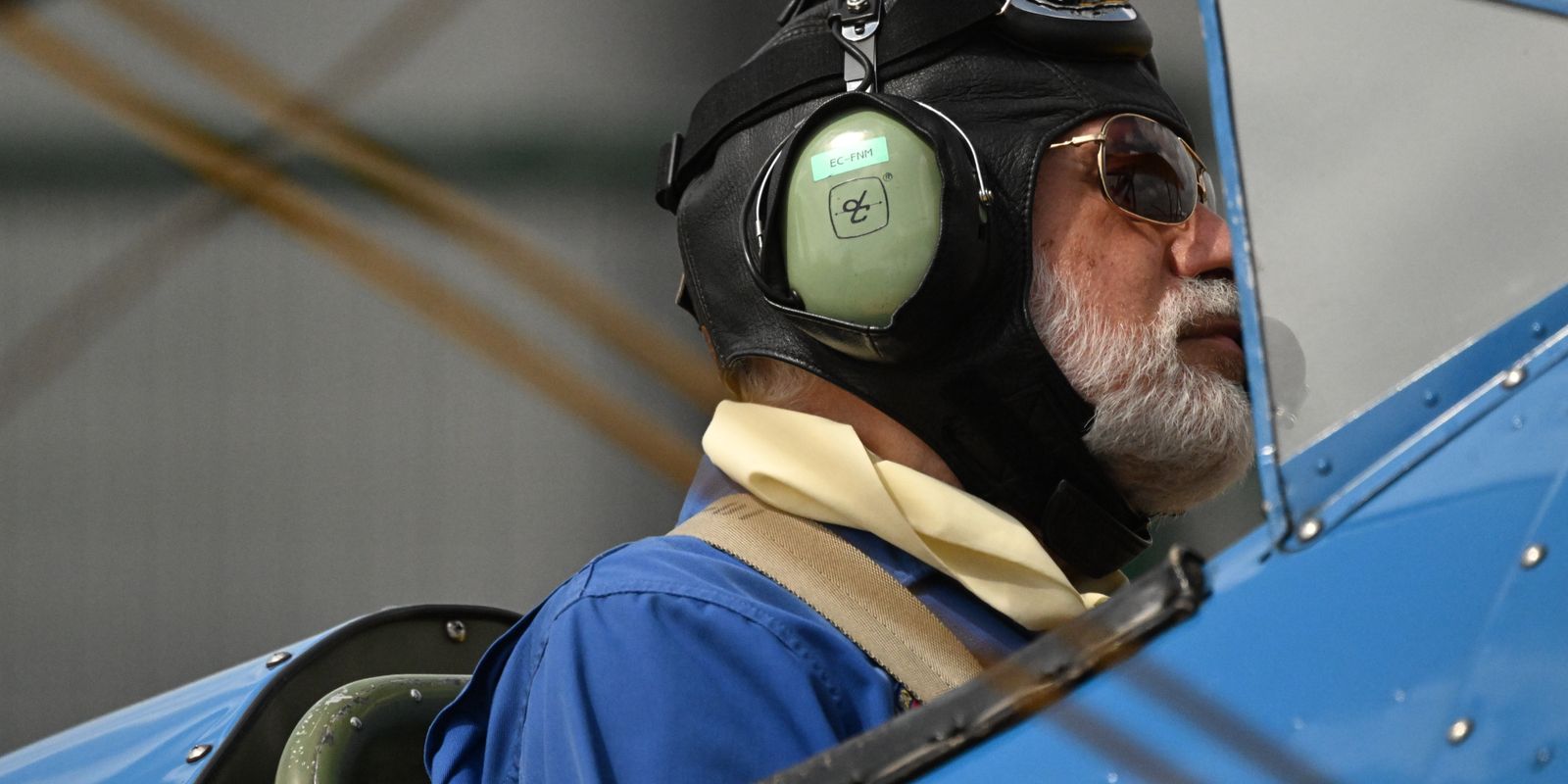
Long before it was a fashion statement, the leather jacket was survival gear. Pilots strapped into freezing, drafty cockpits needed something that blocked wind and cold better than any wool coat could, and police officers riding motorcycle patrol needed the same protection plus enough toughness to survive a slide across pavement. Decades later, the silhouette both groups relied on became one of the most copied looks in menswear and womenswear, worn by people who will never sit in a cockpit or a police saddle. Understanding why the original jackets existed explains why the style still works today.
A good leather jacket was never designed to look tough. It was designed to survive, and looking tough came afterward.
Why Did Pilots Start Wearing Leather Jackets?
The first military flight jackets appeared during the First World War, when aircraft cockpits were open to the sky and pilots flew at altitudes cold enough to numb bare skin in minutes. Wool uniforms, fine for standing at ground level, were useless against wind moving past an open cockpit at speed. Leather solved two problems at once: it blocked wind almost completely, and it held body heat far better than woven fabric of the same weight. By the interwar years and through the Second World War, jackets like the A2 became standard issue for US Army Air Corps pilots, prized for a close, functional cut that did not snag on harnesses or parachute straps.
The A2 was built from horsehide or goatskin, cut trim enough to fit under a parachute harness without bunching, with a knit collar, cuffs, and waistband that sealed out drafts at every opening. Pilots often personalized theirs with painted squadron insignia, and surviving originals are now museum pieces. The shape of that jacket, straight body, ribbed hem, shirt-style collar, is still the template modern aviator jackets follow.
The Navy ran a parallel program with its own G-1 pattern, similar in cut to the A2 but finished with a shearling collar rather than knit, since carrier pilots faced ocean wind on top of altitude cold. Both branches learned the same lesson from the ground up: a jacket that failed in the air was worse than useless, it was a liability, so specifications for stitching, hide thickness, and closures were tightened after every complaint from the field. That obsession with reliability over decoration is why surviving military jackets from the era still hold their shape after eighty years, long after cheaper leather goods from the same decade have crumbled.
Pilot A2 Bomber Aviator Military Leather Jacket from BUNERI keeps that original silhouette close to the source: a trim body, ribbed collar and cuffs, and the same no-fuss construction that let pilots move freely in a cramped cockpit. It works just as well over a sweater on a cold commute today.
The B3 and the Jackets That Won a War
Higher altitude brought a colder problem, and the B3 was the answer. Built for bomber crews flying unpressurized, unheated aircraft at altitudes where temperatures dropped far below freezing, the B3 used thick sheepskin with the fleece turned inward, giving crews a layer of natural insulation that no woven fabric of the era could match. The shearling collar could be turned up to cover the ears and neck, and the whole jacket was cut generously enough to layer over a flight suit. Crews who flew long missions over Europe in the 1940s often credited the B3 with keeping them functional enough to operate equipment with numb, cold fingers.
That shearling silhouette, heavy, warm, unmistakably military, is instantly recognizable even to people who know nothing about aviation history. It became shorthand for rugged, functional style precisely because it never tried to be fashionable in the first place.
RAF Aviator Pilot Flying B3 Bomber Leather Jacket reproduces that shearling warmth for daily wear, with a real sheepskin collar and the same boxy, insulated cut that made the original so effective at altitude. It is the jacket to reach for on the coldest days of the year.
Why Do Police Officers Wear Leather Jackets?
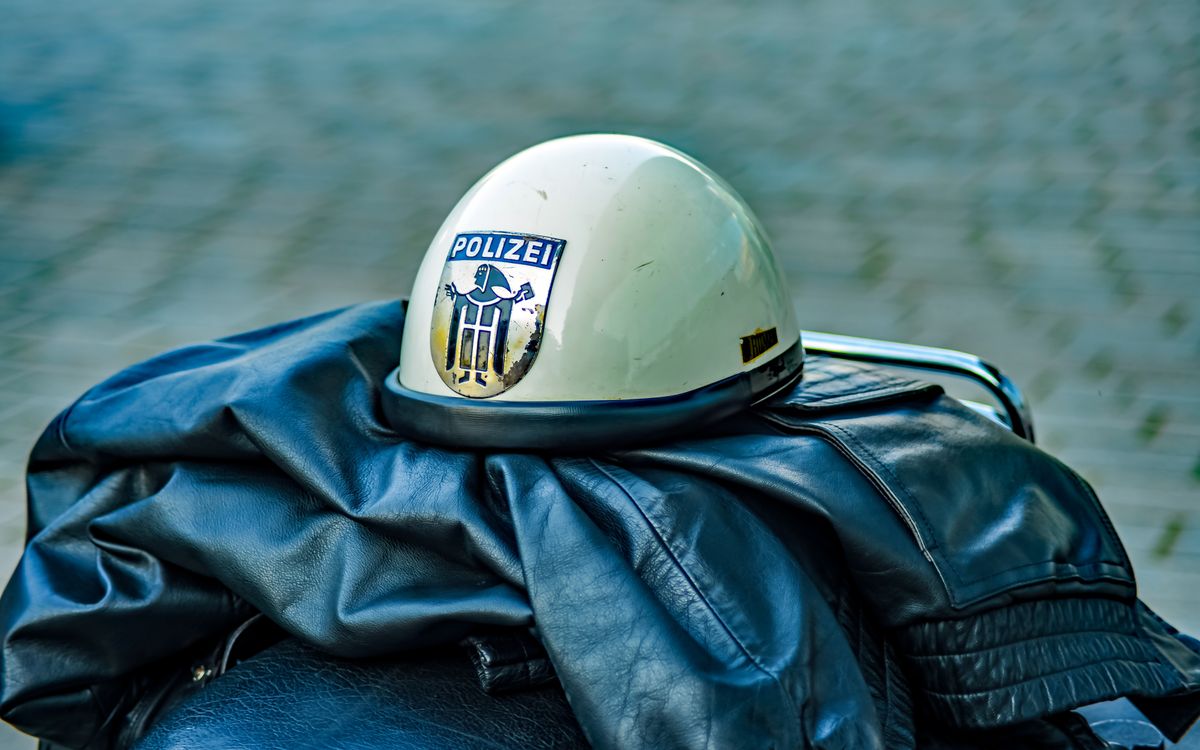
The connection between police work and leather jackets mostly runs through motorcycles, not desks or patrol cars. Motorcycle officers, first common in the early twentieth century, faced the same wind and weather problems pilots did, minus the altitude but plus the very real risk of a fall on asphalt. A textile jacket tears easily in a slide; good leather resists abrasion long enough to matter, which is one reason motorcycle safety gear still leans on leather or leather-grade synthetics almost a century later. That practical need shaped the jacket motorcycle police became known for: fitted enough not to flap at speed, tough enough to survive years of daily wear, and smart enough to still look like a uniform.
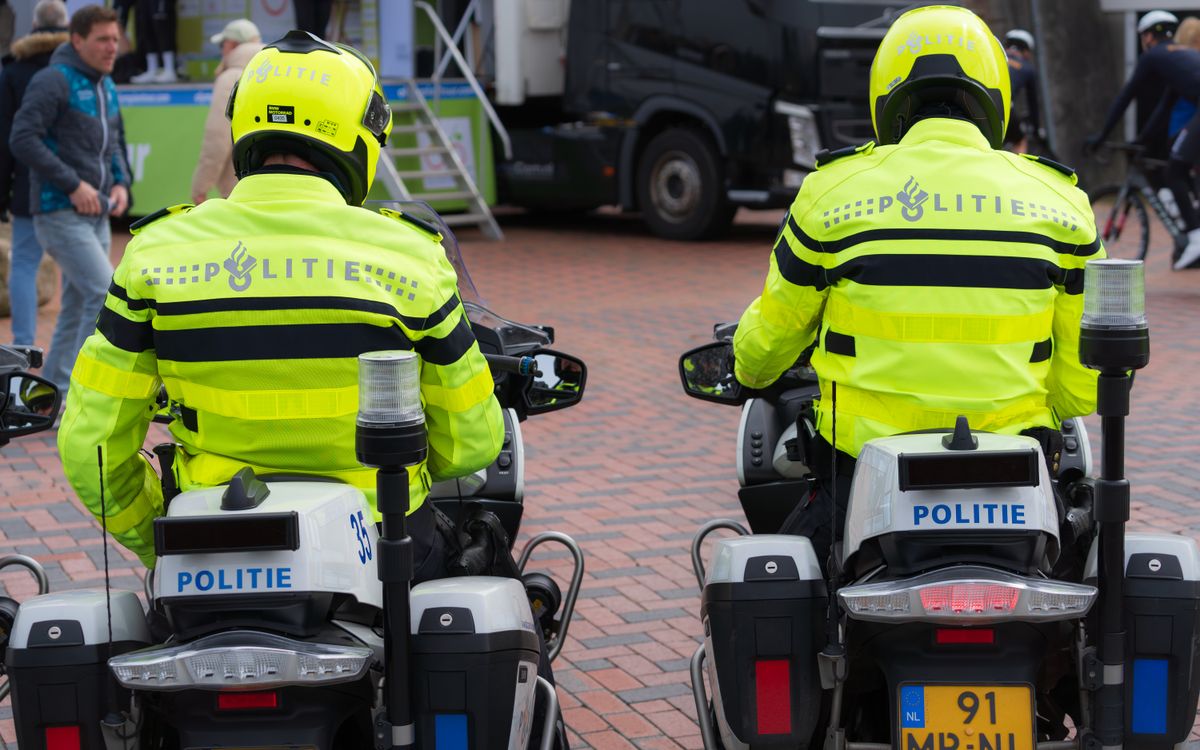
Over time the look picked up a second meaning. A leather jacket on a uniformed officer reads as authority and readiness, partly because it has represented exactly that in film and television for decades. The functional and symbolic reasons reinforced each other: the jacket worked, so departments kept issuing it, and because departments kept issuing it, the public came to associate leather jackets with law enforcement and control.
The fitted biker silhouette common on motorcycle units owes a lot to the same jacket Marlon Brando wore in his most famous motorcycle role, which is why it still carries the nickname “Brando” in catalogues decades later. That film cemented the asymmetric zip and wide collar as the default shape for anyone on two wheels, officer or civilian, and the two images, the rebel and the officer, have coexisted in the same silhouette ever since without ever quite canceling each other out. It is a rare case of a practical uniform piece and a rebellious fashion icon sharing one pattern.
Classic Brando Biker Motorcycle Leather Jacket carries that same fitted, asymmetric-zip silhouette that motorcycle units made recognizable, built in real leather with the wide collar and clean lines the style is known for.
Is a Leather Jacket “Like Top Gun” the Same as What Pilots Actually Wore?
Not exactly, but it is closer than most people assume. The jacket most associated with Top Gun is a G-1 style flight jacket, a real US Navy pattern that shares the same DNA as the Army’s A2: a shearling collar, a fitted body, ribbed cuffs and hem, and a shirt-style collar underneath that could be worn open or buttoned to the neck. The film did not invent the look, it popularized a jacket that had already been standard aviator gear for decades, which is why the style has aged so well. It reads as authentic because it genuinely is, just filtered through Hollywood lighting.
What changed between the military original and the everyday version sold today is mostly weight and finish. A jacket meant for an unheated cockpit at altitude has to be heavier and more insulated than one meant for walking to a café. Modern versions keep the proportions and details, the collar, the zip placement, the ribbed hem, while using lighter leather and thinner linings so the jacket is comfortable in ordinary temperatures rather than at 20,000 feet.
How to Choose Between Pilot Style and Police Style for Everyday Wear
Both silhouettes are genuine leather jackets built to last, so the decision comes down to fit, warmth, and the impression you want to make. Use this quick comparison before you decide:
- Choose an aviator or bomber (A2 or B3 style) if you want a straight, slightly boxy cut that layers easily over a sweater, and you want the warmest option for genuinely cold weather.
- Choose a biker or Brando style if you prefer a closer, more tailored fit with an asymmetric zip, and you want a bolder silhouette that works well over a simple shirt or T-shirt.
- Check the collar. A shearling or ribbed knit collar (A2, B3) suits colder climates; a wide notched or shirt collar (biker, G-1) is more versatile across seasons.
- Think about how you will layer it. Boxier aviator cuts leave room for a hoodie or thick knit underneath; fitted biker cuts look best over slimmer layers.
- Match the leather weight to your winters. Heavier sheepskin (B3) is built for real cold; lighter cowhide or lambskin (A2, biker styles) works across more of the year.
- Care the same way regardless of style. Keep leather away from direct heat, condition it once or twice a year, and let it air dry naturally if it gets wet.
Neither style is objectively better. One was built to survive altitude, the other to survive asphalt, and both ended up as everyday classics because the construction that kept pilots and officers safe also happens to look excellent decades later. If you genuinely cannot decide, think about what you already own: a wardrobe built around knitwear and chinos usually pairs better with the boxier aviator cut, while one built around jeans and simple tees usually suits the closer biker line more naturally.
The Bottom Line
Pilots wore leather because nothing else blocked wind and cold as reliably at altitude, and police officers wore it because motorcycle duty demanded the same wind resistance plus real abrasion protection. The Top Gun look people chase today is a direct descendant of that functional history, not a costume invented for the screen. Whether you lean toward the boxy warmth of an A2 or B3 or the fitted edge of a Brando biker, you are wearing a shape that earned its reputation the hard way, at altitude and on patrol, long before it became a wardrobe staple.
Frequently Asked Questions
Why do pilots wear leather jackets?
Early military aircraft had open or poorly insulated cockpits, and leather blocked wind and cold far better than the wool or cotton uniforms pilots wore on the ground. Sheepskin linings like the ones used in the B3 kept aircrew warm at high altitude before cabins were pressurized and heated, and the tough outer hide resisted the daily wear of parachute straps, harnesses, and cramped seating. Leather also aged well: a jacket that got scuffed or oil stained still worked, unlike wool, which quickly looked ragged. The habit started as pure necessity and only later became a look people associate with pilots.
Why do police officers wear leather jackets?
Most police leather jackets trace back to motorcycle units, not general patrol duty. Officers riding motorcycles in open weather needed the same wind and abrasion protection pilots did, plus a jacket tough enough to survive a fall on asphalt without shredding instantly. Leather also holds its shape and looks sharp for years with basic care, which suited a uniform piece that had to represent authority as well as protect the person wearing it. Today it is as much tradition and visual identity as function, but the original reasons were entirely practical.
Is a Top Gun style leather jacket the same as what real pilots wore?
It is closely related but not identical. The jacket Tom Cruise wears in Top Gun is a G-1 style flight jacket, a real US Navy pattern with a shearling collar and a cotton lining, similar in spirit to the A2 and B3 jackets worn by earlier military aviators. Fashion versions sold today borrow that silhouette (fitted body, shirt collar underneath, ribbed cuffs and hem) but are built for everyday wear rather than for flying in an unheated cockpit, so the leather and lining are usually lighter and softer.
Are aviator and biker leather jackets interchangeable for daily wear?
They can be, but they read differently. An aviator or bomber jacket (A2, B3, G1 style) has a straight, boxy cut and a ribbed waist, and looks more classic and understated. A biker style, often called Brando after the actor who made it famous, is more fitted, usually has an asymmetric zip and sometimes a wide collar, and reads as bolder and more rebellious. Either works as a daily leather jacket; the choice mostly comes down to which silhouette and mood you want, not durability, since both are genuine leather built to last for years.