
Unzip almost any classic bomber jacket and you will often find the same surprise waiting inside: a flash of bright orange. It looks like a styling choice, a bit of colour to lift a plain jacket, but it is actually one of the most practical design details in the history of menswear. That orange was a matter of survival, and the jacket it belongs to, the MA-1, has a story that runs from freezing cockpits at thirty thousand feet to the high street. This is where the bomber jacket comes from, why it looks the way it does, and how to wear that heritage today in soft real leather.
The sage green faced the world, the orange faced the rescue plane. One jacket, two jobs, and a design detail that still defines the bomber today.
Why are bomber jackets orange inside?
The short answer is visibility. The MA-1 was designed to be reversible, with its usual sage green on the outside and a vivid rescue orange on the inside. The idea was simple and clever. A downed pilot, or one who had bailed out over the sea, snow or thick forest, could pull the jacket off and turn it inside out, or simply flip it, so the bright orange was showing. Against a white snowfield or grey water, sage green vanishes. Orange screams for attention.
That single feature could be the difference between a search and rescue crew spotting someone from the air or flying straight past. Military kit is rarely decorative, and the orange lining is a perfect example: a life saving signal hidden inside an everyday jacket.
When the MA-1 crossed over into fashion, designers kept the orange lining because it had become part of the jacket’s identity. Most people never wear their bomber inside out, and modern fashion versions are not really built to be reversible, but the orange stayed as a signature. It is why, decades later, you still see that strip of orange peeking out at the cuffs, the collar and the open zip. It is heritage you can see.
Why are they called bomber jackets?
The name is older than the MA-1 itself. During the Second World War, the crews who flew bombers and other aircraft needed short, warm jackets that would not snag on the controls of a cramped cockpit. The leather A-2 and the heavy shearling B-3 were among the first, keeping aircrew alive in unheated, unpressurised planes where temperatures fell far below freezing.
Because these jackets were worn by bomber crews and other flyers, people began calling the whole family bomber jackets. The shape was dictated by the job. A cropped body meant nothing to catch on levers and belts. A ribbed knit collar, cuffs and hem sealed warm air inside and kept the wind out. A front zip let a pilot get in and out fast while wearing bulky gear.
As aircraft changed, so did the jackets. Nylon replaced leather and shearling for some roles, giving us the B-15 and then the MA-1. The fur collar disappeared because it got in the way of a parachute harness and the new style of flight helmet. What survived every change was the silhouette, and that shape is exactly what we picture today when someone says bomber jacket.
A short history of the MA-1
The MA-1 arrived in the mid to late 1950s as a replacement for the B-15. It was lighter, simpler and better suited to the jet age. Made from nylon, it was quick drying and less bulky than the fur lined jackets that came before it.
Three details defined it. First, the knitted collar, cuffs and waistband, which gave the warmth without the fur collar that fouled a pilot’s harness. Second, the reversible orange lining for emergency visibility. Third, the small utility pocket on the left sleeve, originally handy for pens and small tools, which became one of the most recognisable touches on any flight jacket.
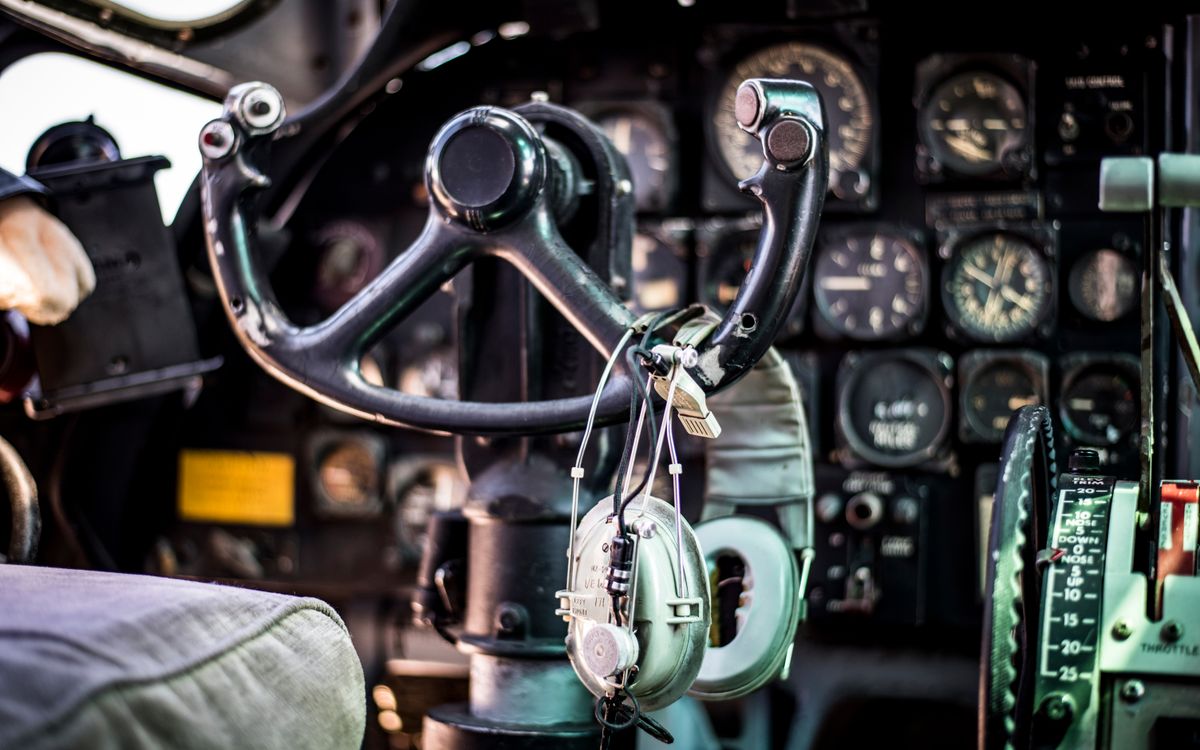
By the time the MA-1 reached the end of its frontline career, it had already slipped into civilian wardrobes. It was practical, it looked good, and it carried a quiet sense of service and adventure. From there it became one of the most borrowed shapes in clothing, worn across every walk of life and reinterpreted in countless materials and colours.
Today the MA-1 lives on far more as a style than as a piece of military kit. Its clean lines and honest, functional design are exactly why it still works. A good leather version of that shape is the Buneri Men’s Black Leather MA-1 Bomber Jacket, which takes the classic flight silhouette and renders it in soft real leather rather than nylon.
The leather bomber, then and now
The earliest flight jackets, the A-2 and the B-3, were leather and shearling, so leather is not a modern twist on the bomber, it is where the story began. The nylon MA-1 was a later, jet age chapter. What a leather bomber does today is bring those two threads together: the lean, ribbed MA-1 shape, built in the kind of material the very first flying jackets used.
Leather also changes how the jacket ages. Nylon stays flat and eventually wears out. Good leather softens, creases and takes on a patina that is unique to the person wearing it, so a leather bomber becomes more yours with every season. It is warmer in a different way too, cutting wind better and sitting with a weight that nylon never has.
The Buneri Men’s Brown Leather MA-1 Bomber Jacket is a clear example. It keeps the ribbed collar, cuffs and hem and the clean front of the MA-1, but in a warm brown leather that works with denim, chinos and dark trousers alike. It is the heritage shape in a material built to last.
For something with a little more texture, a suede take on the MA-1 softens the look further while keeping the same lineage. The Buneri Men’s Grey Goat Suede MA-1 Varsity Bomber Jacket leans casual and modern, a nod to the varsity side of the bomber family, and the matte grey suede is an easy partner for almost anything in a winter wardrobe.

How to wear an MA-1 style bomber
The bomber is one of the most forgiving jackets to style, because its shape does most of the work. A few simple ideas will get you a long way.
- Keep the proportions clean. The bomber is cropped and sits at the waist, so pair it with trousers that are slim or straight rather than very baggy, and let the jacket end where it is meant to.
- Let one thing be the hero. A leather bomber already has presence, so keep the layers underneath plain: a tee, a fine knit or a simple hoodie.
- Match the weight. A soft suede bomber loves clean sneakers and relaxed denim, while a sleek black leather one can handle boots and darker trousers for an evening look.
- Mind the collar. The ribbed knit collar is a defining feature, so wear it up a touch in the cold and let it frame the neck rather than burying it under scarves.
- Choose colour with intent. Black is the sharpest and most versatile, brown is warm and easy, and a grey suede reads relaxed and modern. Pick the mood first, then the jacket.
Do that and the jacket will look deliberate every time, which is exactly what a piece with this much history deserves.
What makes a Buneri bomber different
Every Buneri jacket is made from real sheepskin leather with a premium faux fur lining, so it feels soft from the first wear and only improves as it settles into your shape. These are not reproductions of a military MA-1, and we would never call them that. They sit in the same style family, the short bomber silhouette with its ribbed collar, cuffs and hem, built in leather rather than nylon.
Each jacket is hand made to order in our own workshop in Karachi, Pakistan, and sent by courier directly to you, usually around fourteen days from order, roughly seven days of making and seven of shipping. Shipping is free, and any customs or import taxes are covered by Buneri rather than landing on you. If the fit is not right, you have thirty days to return it. Because every piece is made to order, you can also choose made to measure sizing for a fixed surcharge of 49 EUR using the Custom size option on the product page, which is worth it if off the rack jackets never quite sit across your shoulders.
Conclusion
That flash of orange inside a bomber jacket is not just a bit of colour. It is a survival signal from the MA-1, the nylon flight jacket that gave the modern bomber its shape, its ribbed knit collar and its lasting appeal. The name goes back to the aircrew who wore the first flying jackets, and the design came straight from the demands of the cockpit. Wear an MA-1 style bomber today and you are wearing a piece of that history. Choose one in soft real leather, keep the styling simple, and you get the heritage of the flight line in a jacket built to last for years.
Frequently Asked Questions
Why are bomber jackets orange inside?
The orange lining comes straight from the military MA-1 flight jacket. The MA-1 was built to be reversible, with a bright rescue orange on the inside. If a pilot was forced down or had to bail out, they could turn the jacket inside out so the vivid orange showed, making them far easier for search and rescue teams to spot against snow, sea or forest. The sage green outside was for the flight line, the orange inside was a survival signal. Modern fashion bombers kept the orange lining as a nod to that heritage, even though most are never worn reversed, which is why so many bombers still flash a strip of orange at the cuffs and collar.
Why are they called bomber jackets?
The name goes back to the Second World War, when aircrew flying bombers and other aircraft wore short, warm flight jackets built for cramped cockpits. Early examples were the leather A-2 and the shearling B-3, and later the nylon B-15 and MA-1. People started calling any of these short, waist length flying jackets bomber jackets because of who wore them and where. The defining shape, a cropped body with a ribbed knit collar, cuffs and hem, came from the need to seal in warmth at altitude without catching on controls. That silhouette outlived the military use and became the bomber jacket we know today.
What is the MA-1 bomber jacket?
The MA-1 is a United States military flight jacket that appeared in the mid to late 1950s, replacing the earlier B-15. It was made from nylon, had a knitted collar instead of the older fur one so it would not interfere with a parachute harness or helmet, and carried a small utility pocket on the left sleeve. Its best known feature is the reversible orange lining for emergency visibility. Over time the MA-1 left the airfield and became one of the most copied jacket shapes in fashion, worn by all kinds of people long after its military purpose faded.
Are Buneri bombers real MA-1 jackets?
No, and we would never claim they are. The original MA-1 was a nylon military issue jacket. Buneri jackets sit in the same style family, the short bomber silhouette with a ribbed collar, cuffs and hem, but they are made from real sheepskin leather with a premium faux fur lining, hand made to order in our own workshop. So you get the heritage look and the clean lines of a classic flight jacket in soft, long lasting leather, rather than a reproduction of a specific military garment. Think of it as the bomber shape reimagined in leather, not a copy of the issue piece.