
A vintage leather jacket is one of the best things you can put on your back: worn-in, characterful, and often a fraction of the price of new. It is also one of the easiest things to get badly wrong. For every honest secondhand gem there is a bonded-leather fake, a dried out hide one cold day from cracking, or a jacket that fit someone with completely different shoulders to yours. Hand over cash without knowing what to look for and you do not get a bargain, you get an expensive mistake hanging in your wardrobe. This vintage leather jacket buying guide walks you through the exact checks that separate a great find from a costly one, so you can shop with confidence instead of hope.
A vintage jacket does not owe you anything. It has already lived one life. Your job is to work out honestly whether it has a good second one left in it before you pay.
Why a Vintage Leather Jacket Is Worth the Hunt
Good leather ages better than almost any other material. Where synthetics peel and cotton thins, a real hide softens, deepens in colour and earns a patina that no factory can fake. That is the whole appeal of buying vintage: you skip the stiff break-in period and inherit a jacket that already moves with the body. A well-made piece from decades ago was often cut from thicker, better hide than a lot of new fast fashion, which is why so many people chase them.
There is a money argument too. A secondhand jacket can cost far less than its new equivalent, and if you buy well, it holds that value. This is also the honest answer to the common question of who buys used leather jackets: dealers, resale platforms and collectors all do, precisely because quality leather stays desirable for years. Buy a good one and you own an asset, not a disposable.
But the upside only exists if the jacket is sound. Everything below is about making sure the romance of vintage does not blind you to a dud.
Real Leather or Fake: The Quick Tests
Before anything else, confirm you are even buying leather. Fakes have improved, so use several senses, not one.
Start with your nose. Real leather has a warm, rich, faintly musky smell that synthetic simply cannot copy; bonded and faux leather smell of plastic or chemicals. Then look hard at the surface. Genuine hide has an irregular natural grain, tiny pores and small blemishes, while fake leather repeats an identical printed texture across the whole panel. Press your thumb into it: real leather wrinkles and springs back like skin, whereas plastic stays flat or creases in a hard line.
The most reliable tell is the edges. Look at the cut edge of the hem, the cuffs or under the collar. Real leather shows a soft, fibrous, suede-like underside; synthetic shows a woven fabric backing glued to a plastic film. Finally, weigh it in your hands. Leather is warm and has a supple heft, while fakes feel cool, uniform and strangely light. Fail two or three of these and it is not worth your money at any price.
Check the Hide for Damage Before You Pay
Once you know it is real leather, find out if it is healthy leather. This is where most vintage regret comes from, because damage that looks minor in a shop can be terminal.
The big enemy is dryness. Old leather that has been stored badly loses its natural oils and becomes brittle. Fold a section gently: if the surface shows a fine network of cracks or the finish flakes, the hide is drying out and will only get worse. Deep cracks at the elbows, cuffs and collar are effectively permanent. Surface scuffs and honest patina are fine and even desirable, but cracking is the line you do not cross.
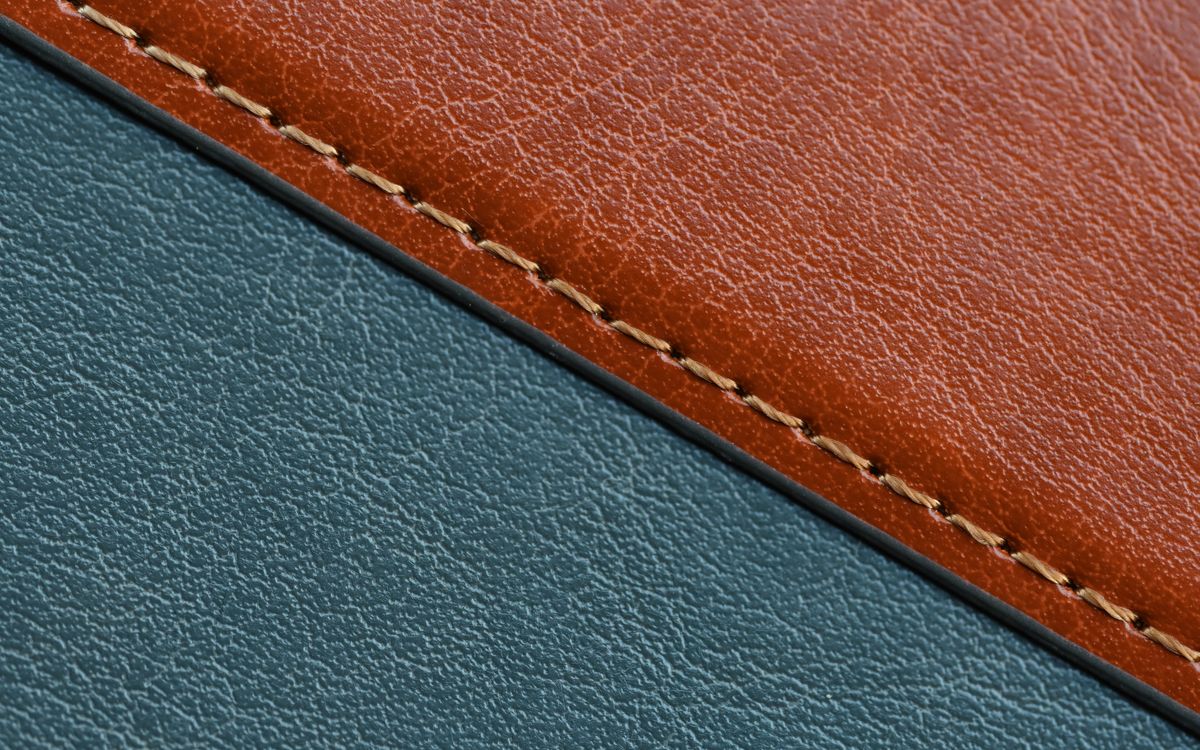
Check the high-wear points closely: elbows, cuffs, collar fold and the seat if it is a longer coat. Look for thinning where the finish has rubbed through, sticky patches where a cheap coating is breaking down, and any hard, plasticky feel that means the leather has been over-treated. A little dryness can be fed back to life with conditioner, but nothing brings back a hide that has already cracked. If you want the broken-in vintage look without gambling on someone else’s neglect, a new jacket with a genuine rub-off finish gets you there safely. The Buneri Black Leather Biker Jacket Vintage Rub Off Effect is built with that worn character from day one, on hide you know has not been abused.
Hardware, Stitching and Lining Tell the Truth
The leather is the headline, but the details reveal how the jacket was made and how it has been treated. Cheap construction ages badly no matter how good the hide looks.
Start with the zips. Quality jackets use heavy metal zips, often branded, that run smoothly the full length. Test every zip and popper: a seized main zip is expensive to replace and a sign of neglect. Then look at the stitching. Seams should be straight, even and tight, with no loose threads, gaps or puckering. Double stitching at stress points is a good sign of a jacket built to last. Weak, uneven or unravelling seams tell you the jacket was cheap when new and will keep failing.
Turn it inside out and inspect the lining. A torn lining is cheap to repair and not a dealbreaker, but staining, a persistent musty or smoky smell, or signs of mould are warnings that the jacket was stored damp, which often means the leather suffered too. A jacket with clean lines, solid stitching and confident hardware is worth paying for. If you love a sharp, classic silhouette, the Buneri Men’s Leather Biker Brando Design Jacket Vintage Black delivers that timeless Brando shape with the build quality vintage hunting rarely guarantees.
Getting the Fit Right (You Cannot Fake This)
Fit is where vintage catches people out most, because leather is very hard to alter. Fabric can be taken in or let out; a leather jacket largely cannot. What you try on is close to what you keep, so the fit has to be right at the source.
Judge the shoulders first, since that is the one seam almost no tailor can move. The shoulder seam should sit at the edge of your shoulder, not halfway down your arm or up on your neck. Then check that you can layer a light jumper underneath and still move your arms forward and up without the whole jacket riding up your back. Sleeves should reach the wrist bone, and the hem should sit around the belt or just below. Vintage sizing runs differently from modern sizing, and labels lie, so ignore the number and trust the mirror. If it is wrong on the shoulders, put it back, however good the price.
Where to Buy and What to Pay
Now the hunt itself. Each source has a trade-off between price, choice and risk.
Charity and thrift shops are the cheapest and the most random; you need patience and repeat visits. Vintage and secondhand boutiques curate the best pieces and know exactly what they have, so you pay a premium for that expertise and reliability. Flea markets, car boot sales and secondhand market stalls can hide real bargains, but there are no returns, so your inspection has to be thorough on the spot. Online resale gives you the widest choice of all, but you cannot touch the jacket, so only buy from sellers who show clear close-ups of the grain, the lining and any flaws, and ask direct questions before you pay.
On price, always budget for a professional clean and a conditioning treatment on top of the sticker, because almost every vintage jacket needs it. Factor in any repairs too: a new lining or a replacement main zip can quietly double your total. A fair price is one that leaves room for that work and still beats a comparable new jacket. And remember the resale reality: mid sizes in classic colours move fastest and hold value best, so if you ever want to sell it on, that is what buyers want. If the vintage gamble stops being fun, a new full-grain piece removes it entirely. The Buneri Men’s Leather Biker Jacket Motorsport Logos Vintage White gives you real character and known quality without the guesswork of a stranger’s cast-off.
The 60-Second Inspection Checklist
When you have a jacket in your hands, run it through these steps before you decide:
- Smell it. Rich and leathery is good; plastic or heavy mustiness is a warning.
- Read the grain. Irregular natural pores mean real hide; a repeating printed pattern means fake.
- Check the edges. A soft fibrous underside is leather; a woven fabric backing is synthetic.
- Flex the panels. Springs back like skin is healthy; fine cracks or flaking means it is drying out.
- Hit the wear points. Elbows, cuffs and collar; reject anything already cracked.
- Work the hardware. Every zip and popper should run smoothly and feel solid.
- Turn out the lining. Small tears are fine; damp smell, mould or heavy staining are not.
- Test the shoulders. If the shoulder seam is wrong, nothing else matters, put it back.
Pass all eight and you have almost certainly found a keeper. Fail two or more and no price is low enough.
The Bottom Line
Buying a vintage leather jacket should be a thrill, not a gamble you lose. The romance of a worn-in hide is real, but so are dried out cracks, fake bonded leather, seized zips and shoulders that will never fit. Use your senses, check the hide and hardware honestly, respect the fit, and always budget for the clean-up. Do that and vintage can hand you a jacket with genuine soul for a fair price. And if the risk ever outweighs the fun, remember that a new full-grain jacket cut in a classic shape gives you the same timeless look with none of the guesswork, and it starts its long life on your shoulders instead of someone else’s.
Frequently Asked Questions
How can I tell if a vintage leather jacket is real leather?
Use your senses before you use your wallet. Real leather smells rich, warm and slightly musky, while fake leather smells of plastic or chemicals. Look closely at the surface: genuine hide has an irregular, natural grain with tiny pores and small imperfections, whereas synthetic leather repeats the same printed pattern over and over. Press a section with your thumb and watch it wrinkle and spring back like skin; plastic stays flat or creases sharply. Check the cut edges at the hem and cuffs, because real leather shows a soft, fibrous, suede-like underside while fake shows a woven fabric backing. Finally, feel the weight and temperature. Leather is warm to the touch and has a supple heft, while synthetic feels cool, uniform and oddly light. If two or three of these tests fail, walk away.
Where is the best place to buy a used leather jacket?
You have four solid options, each with a trade-off. Charity and thrift shops are cheapest but hit and miss, so you need patience and luck. Vintage and secondhand boutiques curate the best pieces and know their stock, but you pay for that expertise. Flea markets and car boot sales can hide real treasure at low prices if you inspect carefully, since there is no return policy. Online resale platforms give you the widest choice, but you cannot touch the jacket, so buy only from sellers with clear photos of the grain, the lining and any damage, and ask direct questions before paying. Wherever you shop, budget for a professional clean and condition on top of the price.
Who buys used leather jackets and are they worth money?
Plenty of people buy them, which is exactly why quality holds its value. Vintage dealers, resale platforms, specialist Facebook groups and local consignment shops all trade in used leather, and a genuine full-grain jacket in good condition can fetch a strong price years after it was made. Value depends on the hide quality, the brand, the era, the condition and the size, with common mid sizes selling fastest. Cracked, dried out or heavily repaired jackets are worth little, while a supple, well kept piece with honest patina is desirable. This resale demand is the real argument for buying quality in the first place: good leather is an asset, cheap leather is landfill.
Is it better to buy vintage or a new leather jacket?
It depends on how much risk you want to carry. Vintage gives you character, a broken-in feel and often a lower price, but every secondhand jacket is a gamble on hidden dryness, past repairs, odd sizing and stubborn smells you cannot fully judge until you own it. A new full-grain jacket in a vintage style gives you the same timeless look with none of the guesswork: known sizing, undamaged hide, working hardware and a jacket that will develop its own patina on your shoulders. Many buyers hunt vintage for years, get burned once or twice, then decide a new quality piece cut in a classic shape is the smarter buy. Both are valid; just know which risk you are choosing.