
That old leather jacket at the back of the wardrobe is rarely as far gone as it looks. The colour may have faded to a dull grey, the surface may feel dry and stiff, and the once-deep black may now read as chalky and tired, but real leather is one of the very few materials built to be revived rather than retired. With a clean, a deep condition and, where needed, a careful recolour, a jacket that looks finished can come back looking better than it has in years. This guide walks through the whole restoration, from reviving faded colour and rescuing a black jacket that is turning grey, to softening dry hide and knowing when a jacket is truly beyond saving.
A tired leather jacket is not worn out, it is under-fed. Most of what looks like damage is simply thirst, and thirst is easy to cure.
First, Read the Leather: What Are You Actually Fixing?
Before you touch a single product, spend two minutes diagnosing the jacket in good daylight, because the right restoration depends entirely on what has actually gone wrong. Most old jackets suffer from one or more of four things, and each has a different cure.
Dryness is the most common and the easiest to reverse. The leather feels tight, looks matte and pale, and may creak slightly when you flex it. This is simply lost oils, and conditioning brings it straight back.
Fading and colour loss show up as patchy, washed-out tone, often worst on the shoulders and sleeves where sunlight and rubbing hit hardest. Light fading is really dryness in disguise, while true fading means the pigment has worn thin and needs recolouring.
Surface damage covers scuffs, scratches and shiny worn patches. Most of these soften or vanish with cleaning and conditioning, and the stubborn ones respond to a recolour balm.
Structural failure is the only serious one: deep cracks that flake away, hide gone brittle and papery, or rot and mould. This is the small minority of jackets that genuinely cannot be saved. Flex a worn area to test: springs back means restore, crumbles means retire.
How to Revive a Faded Leather Jacket
Faded leather is the fix people most often get wrong, because they reach for dye before they have tried the two steps that solve most cases on their own: cleaning and conditioning.
Start by wiping the whole jacket down with a barely damp cloth, then use a dedicated leather cleaner to lift the film of dirt, sweat and old product that dulls the surface and mutes the colour. Let it dry naturally, well away from any radiator or direct heat.
Next, work a generous coat of leather conditioner or a natural balm into the hide in small circular motions and leave it to absorb overnight. This is the step that surprises people. A huge amount of what looks like permanent fading is really a dry, light-scattering surface, and once it is fed the original depth of colour floods back. Only if the tone is still uneven after conditioning has the pigment genuinely worn away, and that is when a matching recolour balm earns its place.
A well-made full-grain jacket is exactly the kind of piece that rewards this care for decades. The Buneri Dark Brown Leather Vintage Biker Jacket develops a rich patina precisely because its hide is built to be fed and revived rather than thrown away.
Fixing a Black Leather Jacket That Is Turning Grey
A black jacket fading to grey is one of the most common complaints, and it is almost always one of two problems. The good news is that both respond well to home restoration.
The first cause is dryness, and it is by far the more frequent. As the oils in the hide evaporate, the black surface develops a fine, pale, powdery bloom that scatters light and reads as grey, especially across the elbows, cuffs and shoulders. Clean the jacket, then apply a deep conditioning treatment and let it soak in overnight. In most cases the black deepens straight back to a rich, even tone in a single session, no dye required.
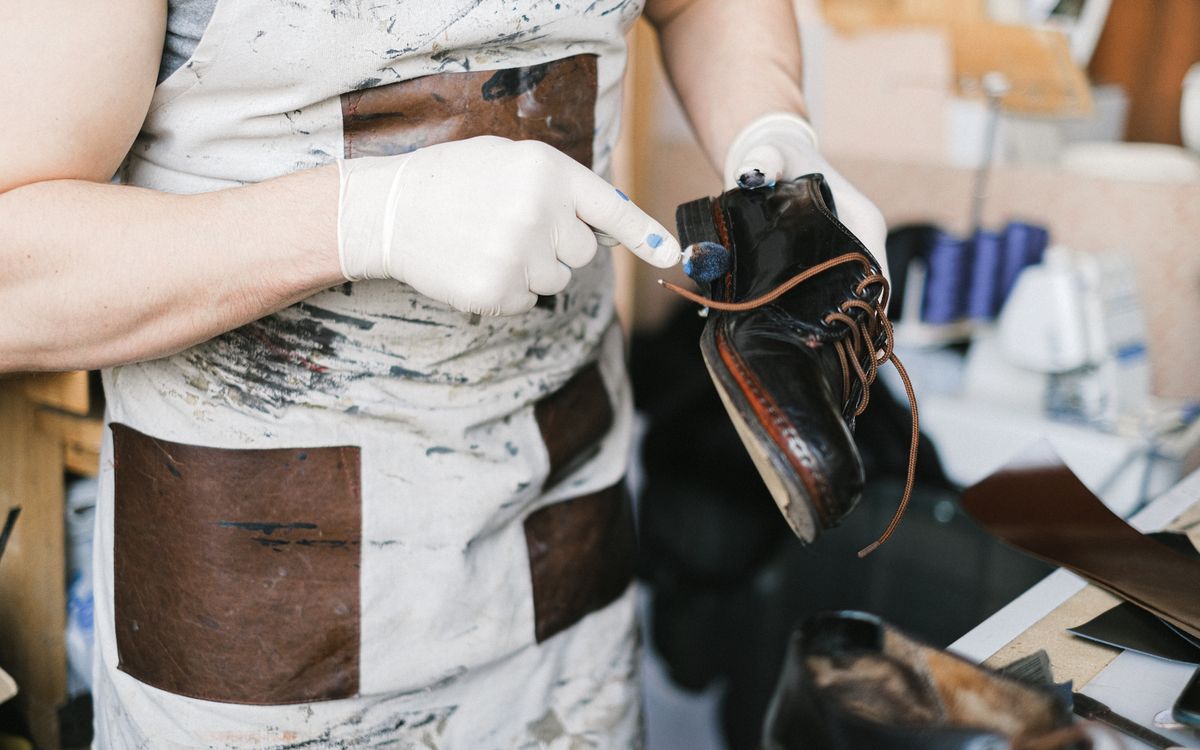
The second cause is genuine pigment loss, where years of rubbing have worn the black finish thin enough that the paler base leather shows through. Conditioning alone will not rebuild missing colour, so this is where a black leather recolour balm or dye comes in. Clean and condition first, then apply the colour in thin, even coats, letting each one dry before adding the next, and finish with a conditioner to lock it in. Avoid the temptation to use shoe polish as a shortcut. It sits on the surface rather than bonding, rubs off onto shirts and collars, and never gives garment leather a lasting finish.
Softening Dry, Stiff Old Leather
If your jacket has gone board-stiff and creaks when you move, it is simply starved of oil, and it can be brought back supple with patience. Wipe it down with a slightly damp cloth, let it dry naturally, then massage in a quality leather conditioner or natural balm using small circular strokes. Concentrate on the high-flex zones: elbows, shoulders, cuffs and hem.
Let the conditioner absorb for several hours or overnight, buff off any excess, and repeat the treatment if the leather still feels tight. Wearing the jacket between coats genuinely helps, because your body heat and movement drive the oils deeper into the grain and remind the hide how to flex. Whatever you do, never use a hairdryer, radiator or oven to rush it, as forced heat is exactly what dried the leather out to begin with.
For everyday wear while an older jacket is resting between treatments, a supple, ready-to-go classic keeps you covered. The Buneri Dark Brown Leather Vintage Biker Jacket II arrives soft and broken-in, the kind of hide that stays flexible for years with only occasional feeding.
Handling Scuffs, Scratches and Worn Patches
Surface marks look worse than they are. Light scuffs and scratches often disappear the moment you condition the leather, because the balm re-darkens and re-oils the scraped fibres so they blend back in. For a scratch that is still visible, warm the area gently with your fingertips and massage a little conditioner directly into it, working in the direction of the mark.
Shiny worn patches, common on the seat, elbows and bag-strap line, are caused by compressed, polished fibres. A light application of recolour balm knocks back the shine and evens the tone. For anything deeper, a colour-matched leather repair balm fills and tints the mark in one step. The rule throughout is to build slowly with thin coats rather than flooding the leather, because you can always add more but you cannot easily take it away.
A Step-by-Step Restoration Checklist
Follow this order and almost any tired jacket comes back to life:
- Diagnose in daylight. Flex a worn area: springs back means restore, crumbles means replace.
- Empty and prep. Clear the pockets, close the zips and lay the jacket flat.
- Clean. Wipe with a damp cloth, then use a proper leather cleaner to lift grime and old product.
- Dry naturally. Away from all heat. Never a radiator or hairdryer.
- Condition deeply. Massage in balm, focus on flex zones, leave overnight.
- Assess again. If colour is back, you are done. If tone is still uneven, recolour.
- Recolour if needed. Thin, even coats of matching balm or dye, drying between each.
- Seal and buff. A final conditioner locks colour in and restores a soft sheen.
- Wear it. Movement and body heat finish the job and keep the leather supple.
Keep up a light condition two or three times a year and the jacket will never reach the tired state again.
When a jacket really has failed, deep cracks flaking, hide gone brittle right through, it is time to invest in a quality replacement built to last. A classic like the Buneri Men’s Brown Classic Leather Biker Style Zip Jacket is exactly the kind of full-grain piece that rewards restoration for decades rather than ending up at the back of a wardrobe.
The Bottom Line
An old leather jacket is almost never beyond saving. Faded colour, a black turning grey, dry stiff hide and tired scuffs are all cosmetic, and all reverse with a clean, a deep condition and, where needed, a careful recolour, for a tiny fraction of the cost of replacing it. Reserve replacement for the rare jacket whose leather has structurally failed, and when you do buy, choose full-grain so your next jacket rewards the same care. Treat leather as the long-lived material it is, and the jacket you almost gave up on will be back in rotation, looking richer than the day you first doubted it.
Frequently Asked Questions
Can you restore the colour of a faded leather jacket?
Yes, and it is one of the most rewarding fixes you can make. Fading happens when sun, dry air and daily wear lift the surface pigment and dehydrate the top layer of the hide, so the jacket looks chalky, greyish or patchy. Start by cleaning the leather with a mild leather cleaner to lift dirt and old product, then feed it with a conditioner and let it rest overnight. In many cases that alone brings the depth of colour back, because a lot of what looks like fading is really dryness. If the pigment itself is worn away, a matching leather recolour balm or dye restores the tone evenly. Work in thin coats, build slowly and finish with a conditioner. A badly cracked or rotted hide will not hold colour, but a jacket that is simply dry and faded almost always comes back to life.
Why is my black leather jacket turning grey?
A black leather jacket turns grey for two main reasons, and both are fixable. The first is dryness: as the natural oils in the hide evaporate, the surface develops a fine pale bloom and the black reads as dull grey, especially on high-flex areas like the elbows and cuffs. A deep conditioning treatment often darkens it back to a rich black in a single session. The second reason is genuine pigment loss, where years of rubbing have worn the black finish thin and the paler base leather shows through. That needs a black leather recolour balm or dye to rebuild the surface. Clean first, condition, and only reach for dye if colour is truly missing rather than just thirsty. Avoid shoe polish as a shortcut, because it sits on top, rubs off on clothes and never bonds properly to garment leather.
How do you soften and revive dry, stiff old leather?
Dry leather is stiff because it has lost the oils that keep its fibres flexible, so the fix is to clean it and then feed it. Wipe the jacket down with a barely damp cloth to remove surface grime, let it dry naturally away from any heat source, then massage a quality leather conditioner or a natural balm into the hide in small circles. Pay extra attention to the elbows, shoulders and hem where the leather flexes most. Leave it to absorb for several hours or overnight, then buff off the excess and repeat if the leather still feels tight. Wearing the jacket afterwards helps too, because body heat and movement work the conditioner deeper into the grain. Never use a hairdryer, radiator or oven to speed things up, as forced heat is what dried the leather out in the first place.
Is it worth restoring an old leather jacket or should I replace it?
It is worth restoring whenever the hide itself is still sound, which is the case for the vast majority of aging jackets. Real leather is designed to be brought back to life, so faded colour, dryness, light scuffs, a stiff feel and a tired finish are all cosmetic problems that a clean, a condition and a recolour will reverse for a fraction of the price of a new jacket. Replacement only makes sense when the leather has structurally failed: deep cracks that flake, hide that has gone brittle and papery all over, or rot and mould that has eaten into the fibres. A quick test is to flex a worn area. If it creases and springs back it is worth restoring, and if it cracks and crumbles it is time for a new one. When you do replace, buy full-grain leather so the next jacket rewards restoration too.