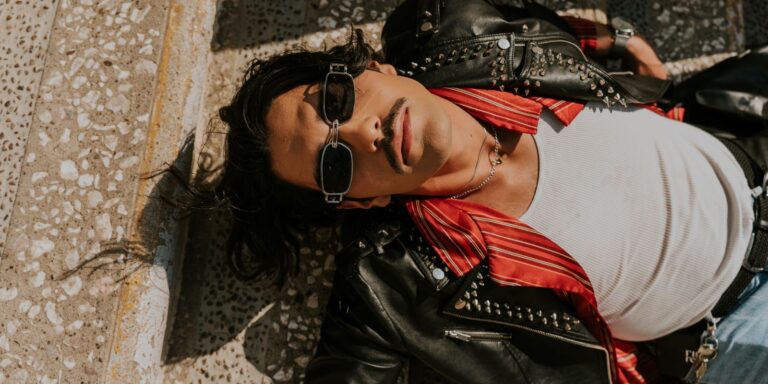

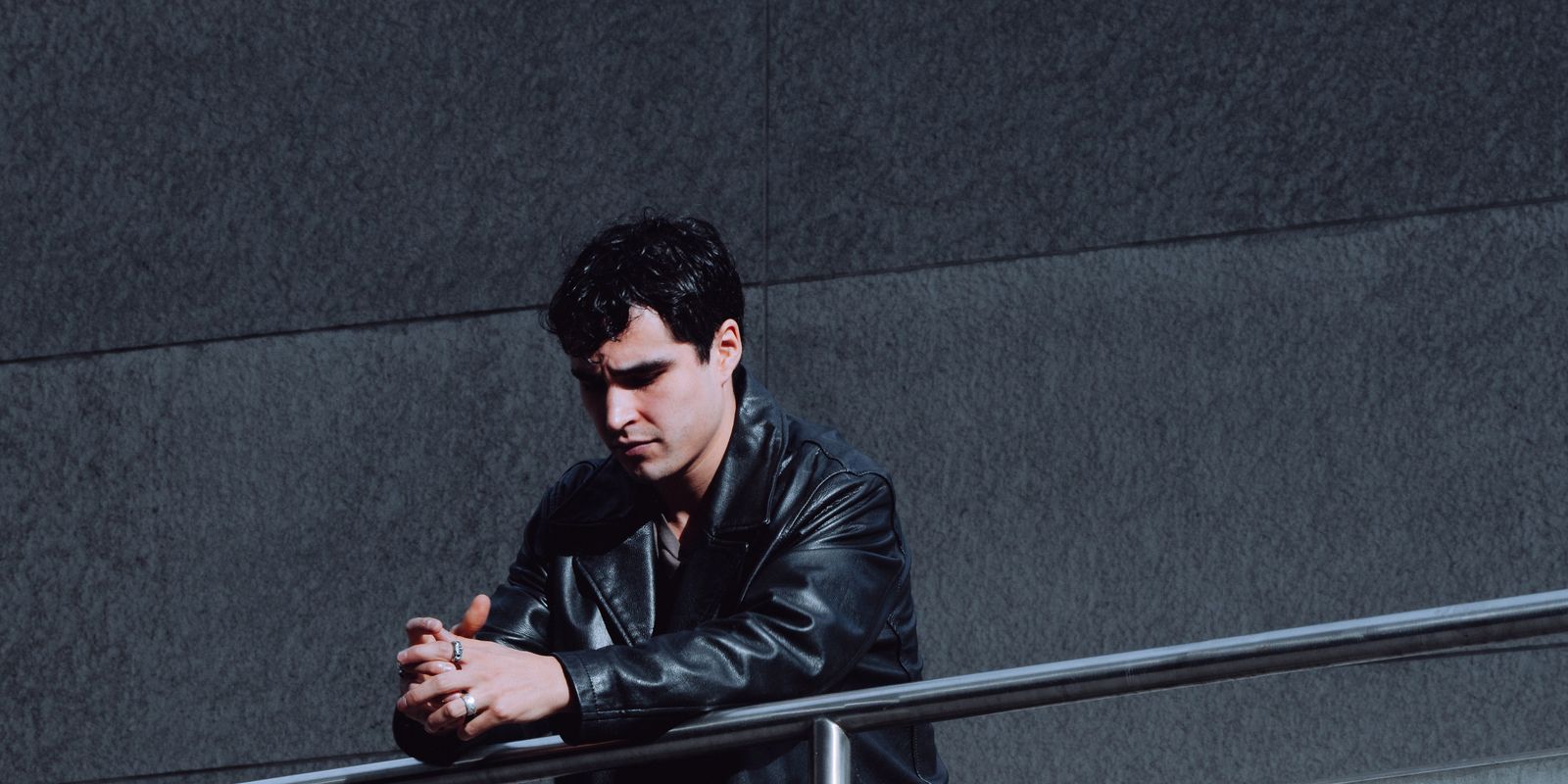
A leather jacket that fits everywhere except one spot is one of the most common and most fixable problems in a wardrobe. Maybe the shoulders sit right but the waist swims, maybe the body is perfect but the sleeves stop an inch short of the wrist. Because real leather does not stretch or shrink the way fabric does, these small mismatches do not sort themselves out after a few wears the way a stiff pair of jeans eventually softens. The good news is that leather is also one of the most alteration friendly materials there is, provided you know which fixes are realistic and which ones are asking too much of the hide.
A leather jacket does not have to be perfect off the rack. It has to be close enough that a tailor can finish the job.
My Leather Jacket Is Too Big, What Can I Do?
A jacket that is genuinely too big, loose across the chest, gaping at the underarms, or hanging past where the shoulder seam should sit, has more solutions than most people assume, but only up to a point. A leather tailor can take in the side seams from armpit to hem and taper the back panel, which removes excess width through the body without touching the collar or the front closure. This works well when the jacket is one size too large in the torso. It stops working well when the shoulder seam itself sits noticeably past the edge of your shoulder, because moving a shoulder seam means rebuilding the sleeve and armhole from scratch, a job most tailors will only attempt on a genuinely expensive piece, and even then the result rarely looks factory clean.
A simpler fix for a jacket that is just slightly roomy through the body is a jacket with its own built in adjustment. A belted style does this by design: cinch the belt and the waist visually tightens without a single stitch being touched. The BUNERI Ravin Belted Biker Leather Jacket is built around exactly this idea, with a self belt at the waist that lets you dial the fit tighter on a given day rather than committing to one fixed silhouette.
My Leather Jacket Is Too Tight, What Can I Do?
This is the harder direction to fix. Letting a leather jacket out relies entirely on how much seam allowance the maker left inside, and most factory made jackets leave very little, sometimes none at all, since extra leather in the seams adds cost and bulk. A tailor can inspect the inside seams and tell you within minutes whether there is fabric to release, but do not assume it, and never buy a jacket “to grow into it” or expecting it to loosen with wear the way denim does. If the jacket is tight across the back or pulls at the button, the more reliable fix is usually a half size or full size exchange rather than an alteration, especially within a retailer’s normal return window.
If you are shopping fresh rather than trying to save an existing jacket, the safest move is starting from a true, correctly cut size rather than sizing down for a snug look. A jacket like the BUNERI Men’s Black Slim Fit Biker Genuine Leather Jacket is patterned to sit close to the body in its actual labeled size, so you get the fitted silhouette without having to gamble on a size down that leaves no room to move your arms or layer a shirt underneath.
Can Leather Jacket Sleeves Be Shortened?
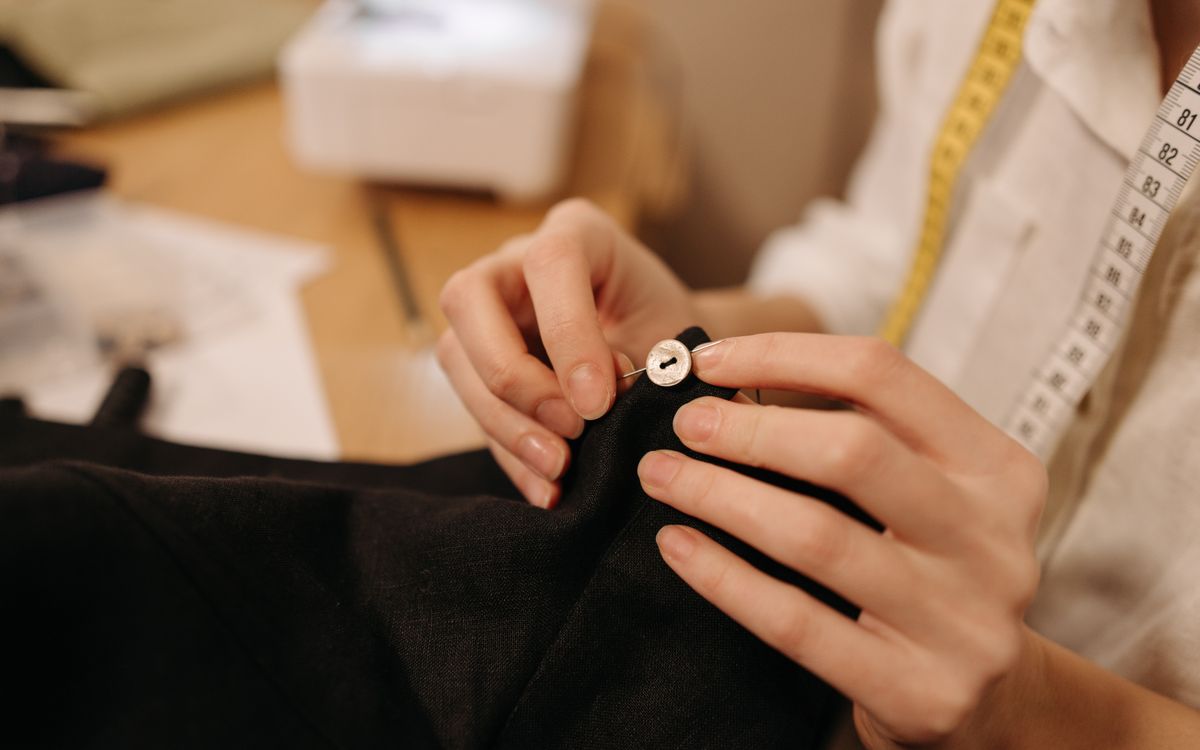
Yes, and sleeve length is by far the most commonly requested leather alteration, which makes sense since arm length varies more between people than chest or waist size does relative to a given jacket size. There are two ways a tailor shortens a sleeve. The first, shortening from the cuff, removes length at the wrist end, working best on plain cuffs without zips, snaps or heavy stitched detailing, since that hardware has to be carefully removed and reattached afterward. The second, shortening from the shoulder, removes length at the top of the sleeve near the armhole, which is the only real option when the cuff itself is too decorated or structured to unpick cleanly, and it also better preserves the proportions of a cuff that has its own design detail worth keeping intact.
Either method is routine work for a shop that specializes in leather rather than a general fabric alteration counter, so it is worth asking specifically whether they handle leather before dropping off a jacket. A generalist tailor used to wool and cotton can genuinely damage leather stitching or leave visible needle holes from the wrong needle type.
What Does It Cost to Shorten Leather Jacket Sleeves?
Pricing depends on the method and on local labor costs, but as a general guide, shortening from the cuff typically runs from about 25 to 50 EUR at an independent leather specialist, since it is a contained job that does not touch the armhole. Shortening from the shoulder, which involves detaching and resetting the whole sleeve, usually runs from about 50 to 90 EUR because of the extra time and precision involved in matching the armhole seam back up cleanly. Jackets with quilted lining, zip cuffs or multiple stitch rows through the sleeve tend to sit at the higher end of either range simply because there is more to take apart and put back together. Always get a written quote and ask the tailor to point out on the actual jacket where the new seam line will fall before they cut anything, since leather cannot be uncut once trimmed.
Choosing the Right Fit So You Need Fewer Alterations
The cheapest alteration is the one you never need. A few purchase habits make a real difference over the life of a jacket. Try a jacket on over whatever you actually plan to wear under it, whether that is a t-shirt or a thick sweater, since a jacket that fits over a t-shirt alone can be genuinely too tight the moment autumn arrives. Raise your arms and reach forward as if driving or carrying a bag, because a jacket that looks fine standing still can bind badly across the back the moment you move. Check the sleeve length with your arm relaxed at your side, the cuff should reach the wrist bone, not stop short at the forearm and not swallow the hand.
Not every fit issue needs correcting at all. Some jackets are cut generously on purpose, meant to be worn a little loose for a relaxed silhouette or extra room to layer, and trying to tailor that shape away usually fights the design rather than fixing a mistake. The BUNERI Women’s Lisa Oversized Puffer Bomber Sheepskin Leather Jacket is a good example: its roomy cut is intentional, built for layering over knitwear in genuinely cold weather, so what would read as “too big” on a fitted biker jacket is simply correct on a style like this.
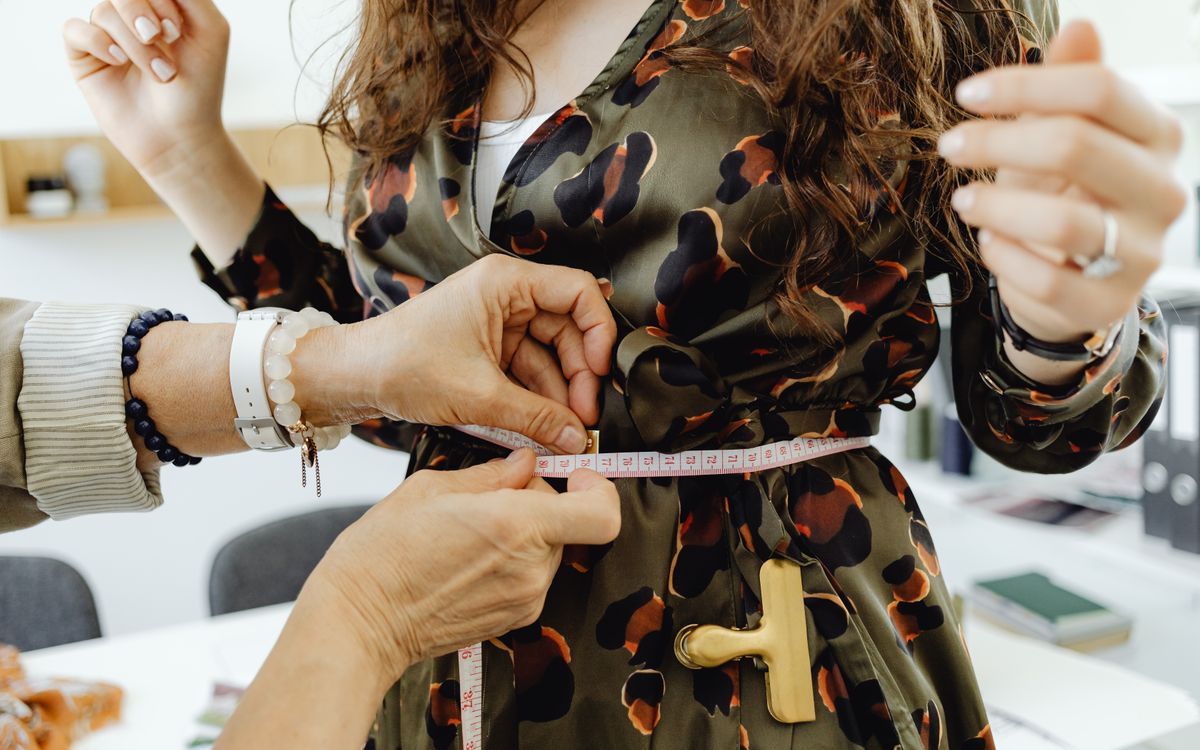
Practical Checklist Before Any Leather Alteration
- Confirm the shoulders first. If the shoulder seam sits noticeably off your actual shoulder, no other alteration will fully fix the jacket, so consider an exchange instead.
- Find a leather specialist, not a general tailor. Ask directly whether they alter leather regularly and whether they have the right needles and machine for it.
- Get a written quote before cutting. Prices for cuff versus shoulder sleeve shortening differ meaningfully, and leather cannot be uncut.
- Bring what you will wear underneath. Fit the jacket over your usual layer, not a thin t-shirt, before deciding it needs work.
- Ask about the lining separately. A quilted or fabric lining sometimes needs its own adjustment to match a re-cut leather shell, and a good tailor will flag this before starting.
- Keep the original hardware. Zips, snaps and buckles removed during an alteration should be reused rather than replaced, both for cost and for matching the jacket’s original look.
A jacket with a fit problem is rarely a jacket that has to be given up on. Most width issues in the body can be taken in, most sleeve length issues can be shortened from the cuff or the shoulder, and a belted or purposely oversized style can sidestep the problem entirely by building adjustment or room into the design itself. The one issue worth respecting rather than fighting is a jacket that is genuinely tight through the shoulders or chest, since that is the one direction leather rarely gives. Start with the right size, know which fixes a good leather tailor can actually make, and a jacket earns years of wear instead of sitting in the back of the closet waiting for a fix that was never coming.
Frequently asked questions
Can a leather jacket be taken in if it is too big?
Yes, within limits. A skilled leather tailor can take in the side seams and back seam to remove excess width through the body, and can narrow the sleeves to match, usually one to two sizes worth of adjustment. What cannot be moved easily is the shoulder seam, so a jacket bought two or three sizes too large, where the shoulder seam hangs past the actual shoulder, will still look wrong even after tailoring. If the shoulders fit and only the body and sleeves are loose, taking in is a realistic, worthwhile repair.
How much does it cost to shorten leather jacket sleeves?
Shortening sleeves from the cuff is the cheapest common alteration, generally in the 25 to 50 EUR range at an independent leather tailor, since the cuff can usually be detached, trimmed and reattached. Shortening from the shoulder, needed when a jacket has to lose more length or when the cuff has zips and detailing that cannot be unpicked, costs more, often 50 to 90 EUR, because the sleeve has to be reset into the armhole. Prices vary by city and by how complex the cuff hardware is, so always ask for a quote before committing to the repair.
Is it better to buy a leather jacket slightly big or slightly small?
Slightly big, but only in the shoulders and chest, never in the sleeve length or overall silhouette. Leather has almost no stretch compared to fabric, so a jacket that is tight across the back or under the arms on day one will stay tight, and taking leather out (making it bigger) is far harder and more expensive than taking it in. A jacket that closes comfortably with a bit of room to layer a sweater underneath, with sleeves that can be shortened if needed, is the safer purchase than one that barely zips.
Will altering a leather jacket ruin the leather or void a warranty?
A professional leather tailor works with the existing seams and lining, so the leather itself is not damaged, only re-cut and re-sewn along lines it was already built with. Most brand warranties, including BUNERI’s, cover manufacturing defects such as faulty stitching or hardware, not the fit of the garment, so a professional alteration does not typically affect a manufacturing warranty. It is still worth checking the specific return and warranty terms of the retailer before any major alteration, especially within the first weeks after purchase when an exchange for a different size may be simpler than tailoring.