

The first time rain soaks into a leather jacket instead of rolling off it, most people assume the jacket is simply getting old. Usually it is not age at all, it is neglect: the factory finish that once repelled water has worn thin, and nobody topped it back up. Learning how to waterproof a leather jacket properly, and knowing when to reach for a spray versus a wax, is the difference between a jacket that ages into something better every year and one that quietly stiffens, cracks and gets retired far too soon.
Water does not ruin leather on contact. It ruins leather that was never protected from it in the first place.
Does a Leather Jacket Really Need Waterproofing?
Leather has some natural water resistance simply because of its tight fiber structure, but “resistant” is not the same as “proof.” Untreated or under-conditioned leather absorbs water gradually with every downpour, every damp commute, every time it gets left too close to a wet umbrella. Each time that happens, some of the natural oils that keep the hide flexible get pulled out along with the moisture as it dries. Over months, that cycle is what turns supple leather into something stiff, dull and prone to cracking at the elbows and cuffs.
So yes, a genuine leather jacket should be waterproofed, and doing it is one of the cheapest, fastest pieces of maintenance available for a garment that is otherwise built to last decades. The only real exception is a jacket that already comes with a heavy factory wax or oil finish, which is naturally more water resistant out of the box, though even those need a light refresh once the surface starts drinking in water rather than shedding it.
How to Waterproof a Leather Jacket, Step by Step
The process itself is straightforward, but the order matters more than most people expect. Skipping a step, or waterproofing over a dirty jacket, is the most common reason people feel like the spray or wax “didn’t work.”
1. Clean and Fully Dry the Jacket First
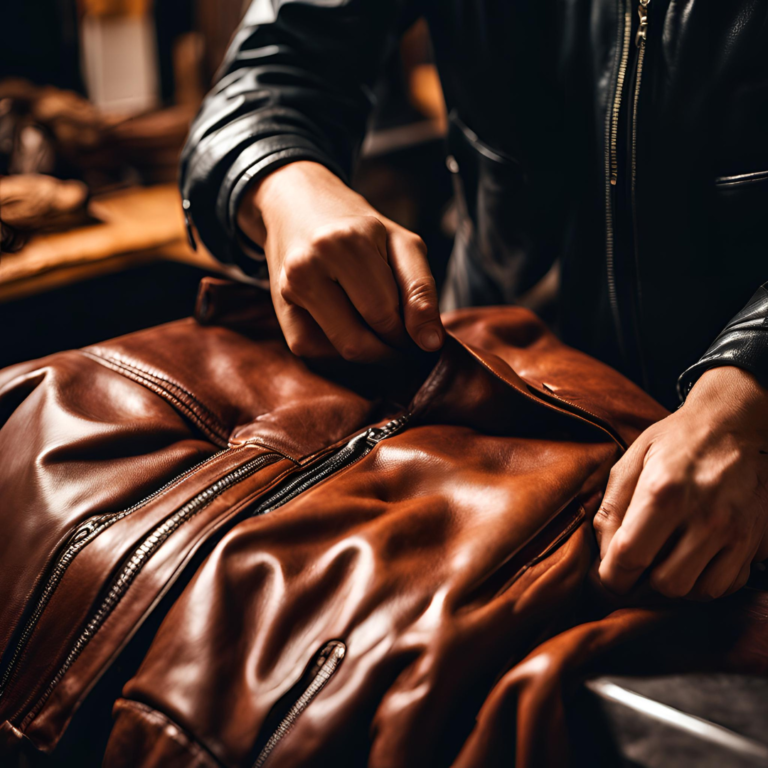
Wipe the jacket down with a slightly damp, soft cloth to remove surface dust, dirt and any old product residue, then let it air dry completely away from direct heat or sunlight. Applying a waterproofing spray or wax over a dirty jacket traps grime against the hide instead of protecting it, and applying it to damp leather stops the product from bonding properly with the surface.
2. Test on a Hidden Patch
Before treating the whole jacket, apply a small amount of product to an inconspicuous area, such as the inside of a cuff or the underside of a collar. Wait a few minutes to check for any darkening, staining or texture change before committing to the full jacket. This single step avoids almost every horror story about a waterproofing product ruining a jacket’s finish.
3. Apply the Waterproofing Product Evenly
Hold a spray about 15 to 20 centimeters from the surface and apply in slow, even passes, covering seams, shoulders and cuffs, which take the most weather exposure. If using a wax or balm, work a small amount in with a soft cloth using circular motions, building up thin layers rather than one thick coat. Thin, even coverage always beats a heavy application, which can leave patches, streaking or an overly glossy finish.
If you are shopping for a jacket that already handles wet weather better from day one, something like the Mens Waxed Motorcycle Leather Jacket comes with a wax finish baked in, which buys you extra time before the first treatment is even necessary.
4. Let It Cure Before Wearing
Give the jacket at least 12 to 24 hours to cure in a dry, ventilated spot before wearing it out, and longer if the weather is humid. Curing time is when the product actually bonds with the leather fibers, so wearing the jacket too soon, or worse, getting it wet immediately, undercuts the whole treatment.
Sprays vs Waxes: Which Should You Use?
This is where most confusion comes from, because sprays and waxes are not interchangeable, they are built for different situations, and a jacket usually benefits from both over its lifetime rather than picking one forever.
Waterproofing Sprays
A silicone-free waterproofing spray, sometimes labeled a leather protector, sits close to the surface and creates a water-repellent barrier without significantly changing the color, sheen or texture of the leather. Sprays are the better choice for smooth aniline or semi-aniline leather, where you want the natural finish to stay visible, and for jackets that are already in good condition and just need a protective top-up. They dry faster than waxes and are easier to apply evenly, which makes them a good default for most day-to-day biker and casual leather jackets.
Waxes and Leather Balms
A wax, grease or leather balm sinks deeper into the hide than a spray does, and it does two jobs at once: it waterproofs the surface and reconditions the leather underneath by replacing oils that have dried out. This makes wax the better call for older jackets that feel dry or slightly stiff, for heavier hides, and for waxed-style leather that is meant to darken and develop a rich patina over time. A jacket such as the Mens Jet Waxed Quilted Motorcycle Leather Jacket is built around this kind of finish, so a wax-based refresh keeps it looking the way it was designed to age.
So, Grease or Waterproof? The Real Answer
The question “should I grease or waterproof my leather jacket” assumes it is one or the other, but they solve different problems. Greasing or conditioning feeds the hide with oil and restores flexibility. Waterproofing sits on top and repels water. A jacket that only gets sprayed but never conditioned will slowly dry out and crack despite staying “waterproof” on the surface. A jacket that only gets conditioned but never waterproofed will soak up rain quickly, even if it stays soft. The routine that actually works long term is: clean, condition if the leather feels dry, then waterproof on top, spaced roughly a week apart if you are doing both in the same session.
How Often Should You Waterproof a Leather Jacket?
There is no single universal number, because it depends on how often the jacket gets worn and how much weather it sees, but a few reliable guidelines cover almost every case.
- Regular daily or weekly wear through autumn and winter: reapply every two to three months, or right after any downpour that leaves the surface visibly darkened by absorbed water.
- Occasional or mostly indoor wear: twice a year is typically enough, once before the wet season starts and once around the midpoint of winter.
- Waxed or oiled leathers: these hold their water resistance a little longer than smooth aniline leather, so they can often stretch toward the lower end of that schedule.
- After any professional cleaning: cleaning products strip old waterproofing along with the dirt, so always reapply once the jacket is fully dry.
A simple way to check without guessing is the water-bead test: flick a few drops of water onto a hidden panel, like the inside hem. If the water beads up and rolls off, the treatment is still working. If it soaks in and darkens the leather within a minute or two, it is time to treat the jacket again.
Quick Checklist: Waterproofing a Leather Jacket the Right Way
Keep this list handy for every treatment session, whether it is your first time or your fifth.
- Wipe down and fully air dry the jacket before applying anything.
- Patch-test on a hidden area and wait a few minutes to check for darkening or staining.
- Choose spray for light, even protection, or wax for older, drier or heavier leather that also needs conditioning.
- Apply thin, even layers, working seams, shoulders and cuffs a little more thoroughly since they take the most exposure.
- Let it cure for 12 to 24 hours in a dry, ventilated space before wearing it outside.
- Retest with water drops every couple of months to know when it is time to reapply, rather than waiting for visible damage.
If you are picking a jacket that will regularly face rain and wind, styles like the Women Brown Waxed Leather Jacket are cut from finishes designed for exactly that kind of use, so the maintenance schedule above stays light rather than becoming a constant chore.
Common Mistakes That Undo a Good Waterproofing Job
A few habits quietly cancel out even a correctly applied treatment. Drying a wet jacket next to a radiator or heater pulls moisture out too fast and cracks the surface, so always dry leather slowly at room temperature. Storing a jacket in a sealed plastic bag traps humidity against the hide and encourages mildew rather than protecting it. Using a generic all-purpose water repellent meant for canvas or synthetic fabric instead of a leather-specific product can leave a chalky residue or clog the leather’s natural texture. None of these mistakes are dramatic on their own, but stacked together over a year or two, they are usually the real reason a “waterproofed” jacket stops behaving like one.
Conclusion
Waterproofing a leather jacket is not a one-time fix, it is a habit, and a fairly light one once it is part of your seasonal routine. Clean it, test a product on a hidden patch, choose a spray for a quick refresh or a wax when the leather needs conditioning too, and give it time to cure before wearing it back out into the weather. Checked every couple of months with a simple water-bead test, a good leather jacket can handle years of rain, wind and daily wear without ever losing the flexibility and finish that made it worth buying in the first place.
Frequently asked questions
Should you waterproof a leather jacket at all?
Yes, in almost every case. Full grain and top grain leather are naturally water resistant to a point, but untreated leather absorbs moisture over repeated exposure, which strips out natural oils, stiffens the hide and eventually leads to cracking. A light waterproofing treatment two to four times a year keeps the surface repelling water instead of soaking it in, and it protects the leather’s flexibility far longer than doing nothing. The only jackets that do not need it are ones already factory-treated with a wax or oil finish, and even those benefit from a light top-up once that finish starts to dull.
Is it better to waterproof a leather jacket with a spray or a wax?
They solve slightly different problems, so the honest answer is both, used at the right time. A silicone-free waterproofing spray is fast, even, and ideal for smooth aniline or semi-aniline leather where you want water beading without changing the finish or color. A wax or leather grease sinks deeper into the hide, restoring lost oils and conditioning the leather as it waterproofs, which suits older, drier jackets or heavier waxed-cotton-style leathers. Spraying a dry, under-conditioned jacket without ever waxing it eventually leaves the surface protected but brittle underneath.
Should you grease or waterproof a leather jacket, and does one replace the other?
Greasing (conditioning) and waterproofing are not the same step and neither fully replaces the other. Conditioner or leather grease feeds the hide with oils and keeps it supple; waterproofing spray or wax sits on top and repels water. A jacket that is only sprayed but never conditioned will dry out over time, while one that is only conditioned but never waterproofed will absorb rain and water spots much faster. The reliable routine is to clean, condition when the leather feels dry, then apply a waterproofing layer on top, roughly a week apart if doing both.
How often should you waterproof a leather jacket?
For a jacket worn regularly through autumn and winter, every two to three months is a safe interval, or immediately after any heavy rain exposure that leaves the surface visibly darkened by water. For a jacket worn occasionally or mostly indoors, twice a year, once before the wet season and once mid-season, is usually enough. Waxed or oiled leathers hold protection a bit longer than smooth aniline leathers, so check by flicking a few drops of water onto a hidden panel: if it stops beading and soaks in within a minute or two, it is time to reapply.