
You have narrowed a new leather jacket down to the style you want, and now you are stuck on one decision that changes everything else about how the jacket will fit into your life: brown or black. It sounds like a small detail, but the color you choose decides what it pairs with, how forgiving it is day to day, and even how long it looks new, so it deserves more thought than a coin flip.
The right color is not the one that photographs best in the store. It is the one that already matches half the clothes hanging in your closet.
Brown vs Black Leather Jacket: The Real Differences
Before comparing outfits, it helps to understand what actually separates the two colors beyond the obvious. Black leather is dyed to fully mask the natural grain and variation of the hide, which gives it a flat, uniform, slightly formal look. Brown leather, especially in mid and lighter tones, tends to let more of the hide’s natural texture and tonal variation show through, which is part of why brown jackets often look like they have “character” straight out of the box.
How Each Color Wears Over Time
Black leather shows scuffs, scratches and dust in sharp contrast against the dark surface, so a black jacket that has seen a season of daily wear can start looking tired even if the leather itself is in good shape. Brown leather, particularly warm mid tones like chestnut, cognac and tan, hides the same wear far more gracefully, since scuffs tend to blend into the existing tonal variation rather than standing out. If low maintenance matters more to you than a crisp, uniform finish, this alone can tip the decision toward brown.
Versatility: Which Matches More Outfits
Black is a true neutral in the strict sense: it does not clash with anything, but it also does not add warmth to an outfit. Brown behaves more like an accent neutral. It complements blues, greens, creams and warm tones beautifully, but next to certain cool grays or stark whites it can occasionally look slightly mismatched if the rest of the outfit leans very cold in tone. In practice this means black is the safer choice if your wardrobe is mostly black, gray and navy, while brown is the safer choice if your wardrobe leans denim, khaki, olive and cream.
Black Leather Jacket: Where It Wins
A black leather jacket is the default choice for a reason. It reads as slightly more formal and edgier at the same time, which is why it shows up equally in biker, rock and minimalist wardrobes. It disappears seamlessly into all black outfits, pairs effortlessly with white sneakers or boots, and photographs well in low light, which matters if you spend a lot of evenings out. It is also, generally, the easier jacket to dress up: a black leather jacket over a plain shirt can pass in settings a brown jacket would read as too casual for.
A piece like the Buneri Black Bomber Leather Jacket shows the classic case for black: clean lines, zero pattern to clash with, and an outfit that works the same at 9am and 9pm. If you want something with more biker edge, a black sheepskin biker jacket leans into a heavier, warmer silhouette while staying entirely in the black family.
Brown Leather Jacket: Where It Wins, and How to Style It
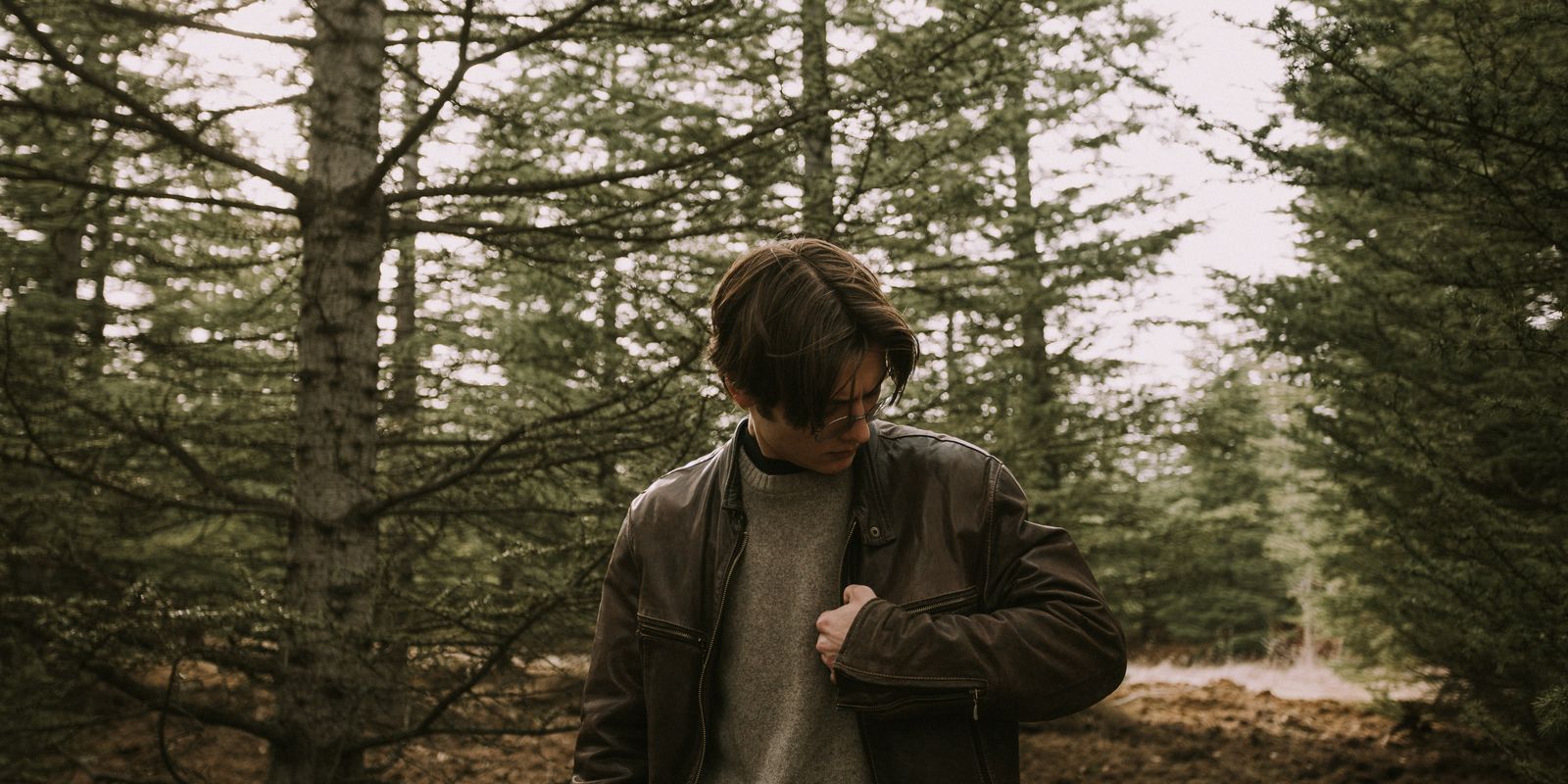
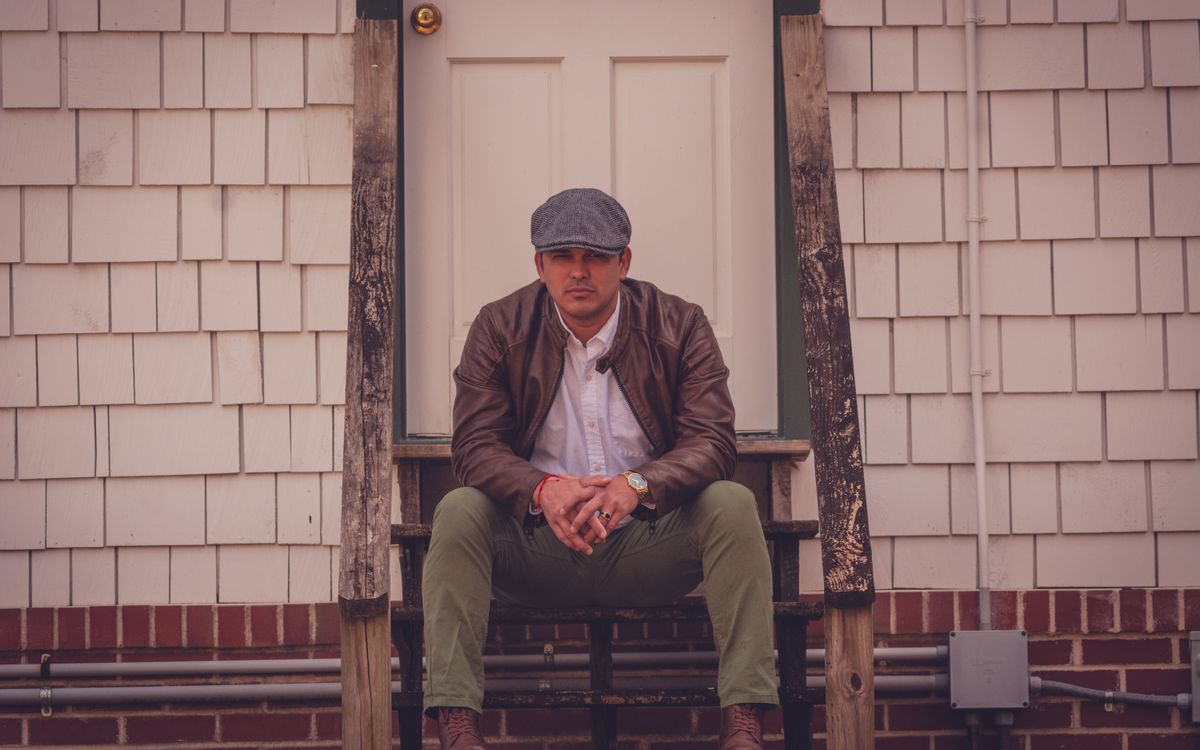
A brown leather jacket earns its reputation as the more forgiving everyday buy. Mid and dark brown tones hide light surface wear far better than black, which matters if the jacket is going to be worn several times a week rather than saved for occasions. Brown is also the natural partner for denim, so if jeans make up the bulk of your wardrobe, brown will simply see more days in rotation than black would.
Styling a brown leather jacket well comes down to a few reliable rules. Pair it with indigo or black denim first, since that combination almost never misses. Keep the layer underneath simple, a plain white, cream or navy tee or knit rather than a loud print, since the jacket itself already carries the outfit. Stay in warm or neutral supporting colors, olive, tan, cream, burgundy and grey all work, while stark, icy tones can occasionally clash with the warmth of the leather. A lighter cognac or chestnut jacket, like the Buneri Black Hills Leather Jacket in Brown with Racing Badges, looks especially good against pale blue denim in spring and autumn, and finishes cleanly with brown boots or plain white sneakers.
Which One Suits You: Skin Tone, Wardrobe and Lifestyle
There is no universal winner, but a few honest questions usually settle the decision quickly. If most of your existing wardrobe is black, gray, navy or white, a black jacket will slot in immediately without forcing you to buy new pieces to match it. If your wardrobe leans toward denim, khaki, olive or warm neutrals, brown will feel like it was already part of the plan. If you wear the jacket mostly in the evening or for going out, black tends to photograph and read better under artificial light. If the jacket needs to survive daily commutes, weather and general life without looking beaten up after a few months, brown’s forgiving surface gives it a practical edge.
Skin tone plays a smaller role than people expect, since both colors work across the full range of complexions, but warmer, tanned or olive undertones often look particularly good against cognac and chestnut browns, while cooler, fair undertones can make jet black pop with slightly more contrast. Neither rule is strict enough to override personal preference, so treat it as a tiebreaker rather than a deciding factor.
How to Choose: A Practical Checklist
- Count your denim. If jeans are more than half your casual wardrobe, lean brown. If your casual wardrobe is mostly black and gray, lean black.
- Think about maintenance tolerance. If you want a jacket that still looks sharp after light scuffs without constant conditioning, brown is more forgiving.
- Consider your usual lighting. Evening and indoor settings favor black. Daylight, outdoor and daytime casual settings favor brown.
- Check your existing outerwear. Avoid buying a second jacket in a color you already own three of, variety earns its keep in a wardrobe.
- Set a budget. Genuine leather jackets in either color typically run from around 150 to 400 EUR depending on hide quality and construction, so decide on a range before you start comparing specific pieces.
- Try both on if you can. Color reads differently in daylight, showroom light and photos, so if you are between the two, testing under natural light settles more doubts than any style guide.

Real World Combinations That Always Work
For black: black jacket, white tee, black jeans, white sneakers is close to foolproof, and swapping the sneakers for black boots takes the same outfit from casual to slightly edgy without changing anything else. For brown: brown jacket, cream sweater, indigo denim and brown boots reads as effortless autumn styling with almost no risk of clashing. If you want one jacket that leans toward both worlds, a jacket with subtle two tone detailing, like the Buneri Brown Striped Quilted Black Retro Leather Jacket, gives you a hybrid that borrows versatility from both colors in a single piece.
Conclusion
There is no wrong answer between a brown or black leather jacket, only the answer that matches how you actually dress. Black leans sharper, more formal and easier after dark, while brown leans warmer, more forgiving day to day, and pairs more naturally with denim and casual staples. Look honestly at what already fills your closet, decide whether you want the jacket to disappear into your existing wardrobe or stand apart from it, and the right color usually becomes obvious well before you reach the checkout.
Frequently asked questions
Is a brown or black leather jacket better overall?
Neither color is objectively better, they simply do different jobs. Black leather jackets read as sharper, more formal and easier to match with an all black or monochrome outfit, which is why they dominate biker and rock inspired looks. Brown leather jackets read as warmer, more casual and more forgiving in daylight, and they pair naturally with denim, khaki, olive and cream. If you only own one jacket and want it to disappear into the widest range of outfits without ever feeling like the main event, brown is usually the safer first purchase, but if you want a jacket that instantly sharpens an outfit and works after dark, black wins.
Is a brown leather jacket a good choice for everyday wear?
Yes, and for most people a brown leather jacket is actually the more practical everyday choice. Mid to dark brown tones hide light surface scuffs, dust and rain spots far better than black, which shows every scratch and water mark clearly. Brown also sits comfortably next to blue jeans, beige chinos, olive trousers and cream knitwear, the combination most people wear on an average day, so you spend less time thinking about whether the jacket clashes with what is already in your closet.
Which is more versatile, a black or brown leather jacket?
Black is more versatile after dark and with strictly monochrome or all black outfits, since it never fights with other dark pieces. Brown is more versatile across the rest of the color wheel, including denim, olive, khaki, mustard, cream and burgundy, which is why stylists often call it the true daytime neutral. If versatility means working with the most different colors already in your wardrobe, brown tends to win. If versatility means working in the most different settings after sunset, black tends to win.
How do you style a brown leather jacket?
Start with denim, since indigo or black jeans are the single most reliable pairing for any shade of brown leather. Add a plain white, cream or navy tee or sweater underneath rather than a busy print, since the jacket is already the statement piece. Keep the rest of the outfit in warm or neutral tones, olive, tan, cream, burgundy or grey, and avoid stark cool black accessories, which can visually fight the warmth of the leather. Brown boots or clean white sneakers finish the look, and a lighter chestnut or cognac jacket works especially well over pale blue denim in spring and autumn.