

Leather is not only one of the oldest materials in fashion, it is also one of the most commercially powerful. Walk into any clothing store, anywhere in the world, and you will almost certainly find it: on a rail of jackets, a pair of trousers, a structured handbag or a tailored skirt. This article looks at where leather sits in the fashion industry today, from the billions it generates to the craft and conscience that are quietly reshaping how it is made.
Leather somehow transcends the fashion caste system. It appeals at every price point, from a budget skirt to a couture coat.
A Multi-Billion Slice of Global Fashion
The numbers tell their own story. Leather makes up roughly 50 billion dollars of a global fashion industry worth around 320 billion. That is a remarkable share for a single material, and it is spread right across the map. Leather apparel is manufactured almost everywhere, yet two countries stand out for very different reasons. Italy is celebrated for producing the finest leather garments, the result of generations of tanning expertise and tailoring skill. China, meanwhile, makes the greatest volume, supplying leather clothing to every corner of the market.
That breadth is the point. Leather is not reserved for one tier of shopper. It is made for the designer customer and the budget customer alike, which is exactly why it turns up at every level of the high street as well as on the runway.
Italy’s reputation is worth dwelling on, because it explains a great deal about how the industry works. Italian tanneries and workshops have spent decades refining every stage, from selecting the hides to the final finish, and that accumulated know-how is very hard to copy quickly. It is the reason a Made in Italy label still carries real weight on a leather garment. China’s strength lies elsewhere, in the scale and efficiency that put a leather jacket within reach of millions of shoppers who could never have afforded one a generation ago. Between them, these two poles of craft on one side and accessibility on the other, define the modern map of leather production.
From the Catwalk to the High Street
Many of the most influential design houses treat leather as a permanent fixture rather than a seasonal experiment. Names such as Ralph Lauren, Calvin Klein, Versace, Donna Karan, Gucci, Chanel and Christian Dior return to it collection after collection. People often say the leather cycle peaks every three years, yet in practice leather clothing sits on shop floors all year round, in every season and every climate.
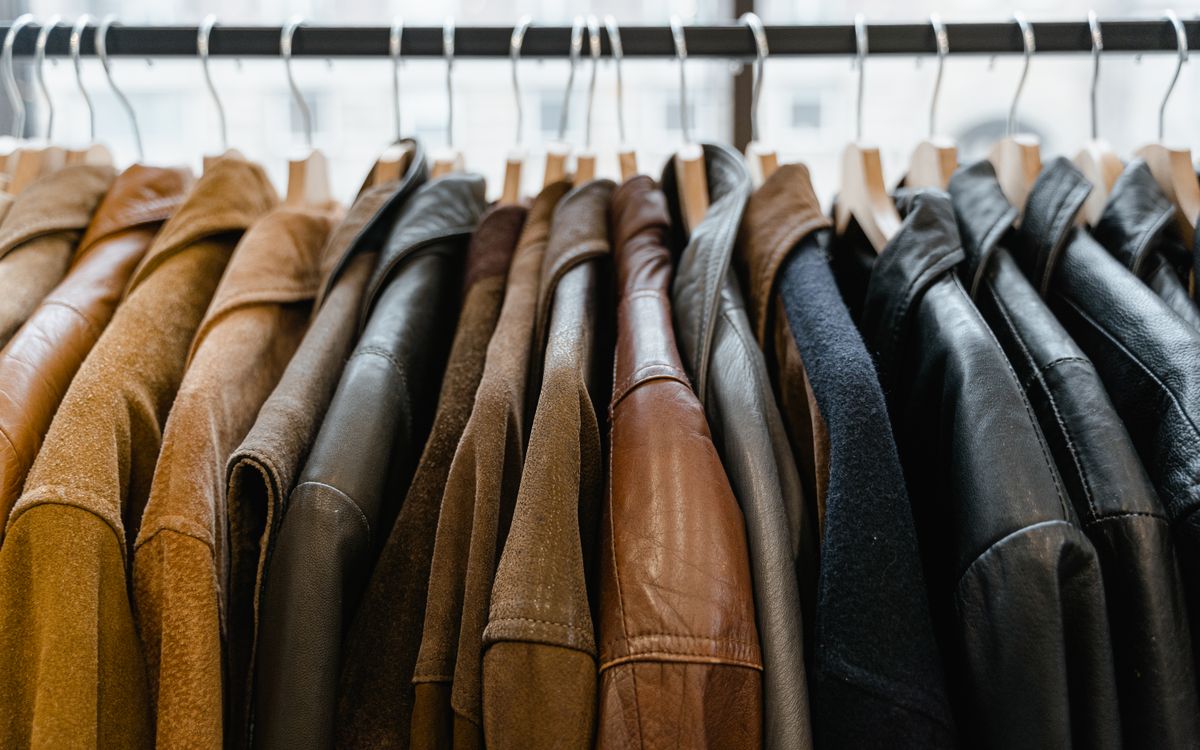
The reason is simple. No other material pulls shoppers in quite like leather does, regardless of the price tag. A teenager saving for a first biker jacket and a collector eyeing a couture coat are drawn to the same essential appeal: the look, the feel and the sense of permanence that only real hide delivers.
Why Leather Keeps Winning Over Shoppers
It is worth asking why leather holds this grip on buyers when so many materials come and go. Part of the answer is purely practical. Leather is tough, it breathes, and it lasts far longer than almost anything else hanging beside it on the rail. A good jacket can serve for a decade or more, which makes even a high price feel reasonable once you spread it across the years of wear.
The rest of the answer is emotional. Leather carries history and attitude in a way that synthetic fabrics struggle to imitate. It softens and develops a patina with age, so it tends to look better the more it is worn, not worse. For many shoppers it also signals a certain confidence, a sense that the wearer values substance over hype. That combination of hard wearing performance and genuine character is rare, and it is why a leather piece is so often the item people reach for first and keep the longest.
Leather Transcends the Fashion Caste System
One of the most interesting things about leather is how it ignores the usual rules of status. Inexpensive skins give the average person a genuine chance to own a leather garment, while finer hides remain a true mark of luxury. The spread of price points is enormous. A pair of trousers in pig split might sell for around 60 dollars, while a piece in supple plongé lambskin can reach 2,000 dollars or more.
What makes this striking is the behaviour it produces. The same designer-brand customer who would normally refuse a trickled-down, mass-market version of a style often does not mind at all when the material is leather. Quality hide carries its own prestige, so a beautifully made piece such as our black leather quilted hooded overcoat reads as luxurious whether or not it carries a famous label.
The Shift from Logos to Quality
The early years of the twenty-first century brought a quiet revolution in taste. The logo-obsessed shopper of the 1980s and 1990s began to move away from heavily branded, over-marketed clothing. A celebrity endorsement or a designer logo stamped on an item no longer guaranteed a sale. Suddenly products had to stand on their own merits, regardless of the name attached to them.

Designers and manufacturers responded by focusing harder on quality and design. Today’s shopper is educated and can tell the difference between inferior materials and genuinely good workmanship. Leather benefits enormously from this shift. Its long standing reputation as a high quality material is a major reason so many designers choose to work in the medium, even those who had never used it before. A tailored piece like our women’s double-breasted black leather blazer shows how leather can express refined design without relying on a loud logo.
Innovation at the Tannery
Behind the scenes, tanneries are constantly experimenting with new processes and finishes that make leather more desirable and more distinctive. Decorative techniques such as laser cutting, embroidery and burnishing add personality to a hide. The metallizing of skins has been updated to create ombré effects and pattern stamping. At the other end of the scale, leather can now be washed and buffed to produce a soft, rugged texture full of character.
For the shopper, these advances translate into far more choice than the classic black biker once offered. The same hide can now arrive matte or glossy, smooth or deliberately distressed, dyed in soft gradients or stamped with a subtle texture. It means leather can suit a minimalist wardrobe and a maximalist one with equal ease, and it lets smaller makers offer finishes that were once the preserve of the big design houses.
Practicality has improved too. Some leather garments can be machine washed and dried, which would have been unthinkable a generation ago. A special backing even allows leather to stretch and then return to its original shape. This is not entirely new ground: back in 1995, the French designer Jean Claude Jitrois developed stretch leather in partnership with DuPont de Nemours, and makers have continued pushing the physical limits of the material ever since. A modern, body-aware piece such as our women’s cropped designer biker jacket is a direct beneficiary of that experimentation.
The Return to Authentic Leather
For years, tanneries worked hard to make leather look like fabric. The trend has now reversed. The goal today is to make leather look authentically like leather, and that has revived interest in old fashioned vegetable-tanning techniques.
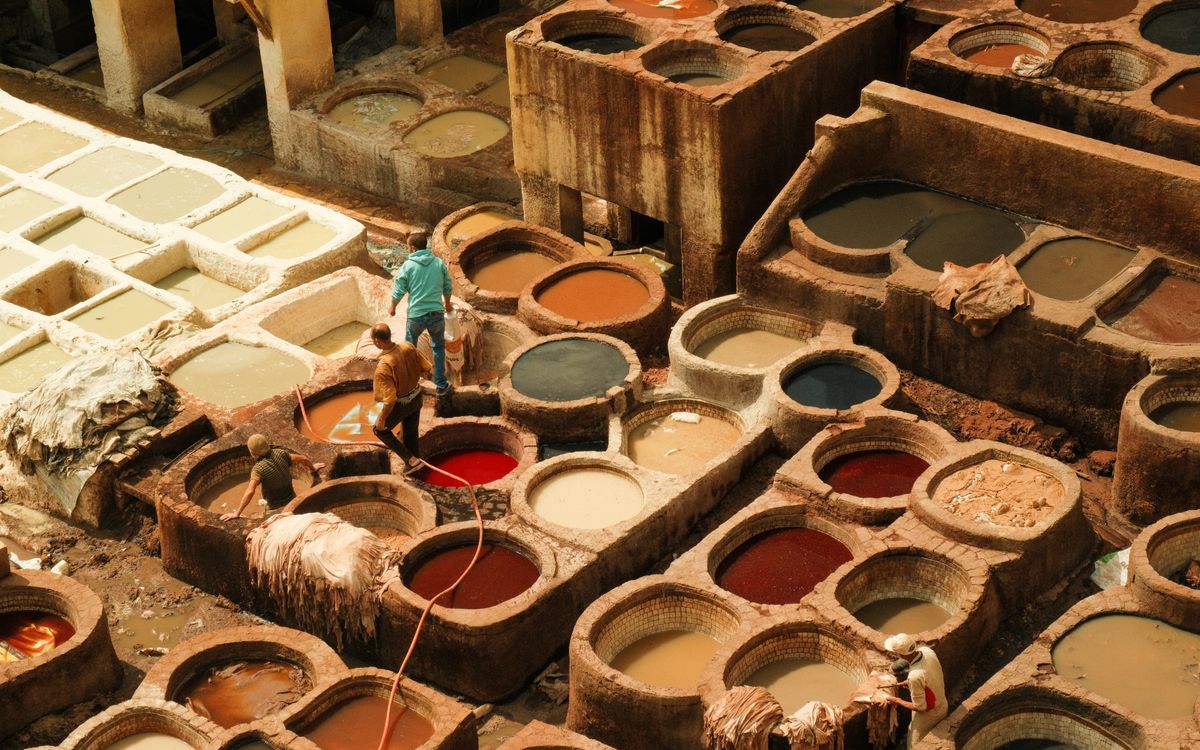
The economics are not trivial. Because chrome tanning relies on chemicals, it costs roughly half as much as vegetable tanning, which is part of what gives vegetable-tanned leather its exclusivity. The difference shows in the result. Vegetable-tanned hides tend to be tighter, less stretchy and more durable, and they carry a distinctive earthy smell that comes from natural tannin extracts drawn from trees such as mimosa, quebracho and tara. For many buyers, that hand and feel is precisely the point.
There is also the question of how a hide ages. Vegetable-tanned leather is prized because it takes on a rich patina over time, recording wear as character rather than damage. A bag or jacket made this way can look more beautiful after five years than it did on the first day, which is something no printed fabric and very few chrome-tanned finishes can promise. For buyers who think in decades rather than seasons, that slow transformation is a large part of the appeal.
A More Conscious Industry
These are eco-conscious times, and the leather business is responding. Some designers, most famously Stella McCartney, boycott leather altogether. Others take a middle path and favour vegetable-tanned leather over chrome-tanned. The pressure has had a useful side effect: even chrome tanning is becoming more environmentally friendly, with real advances in the acceptability of chemical dyes and in the safe disposal of tanning waste.
The picture that emerges is not a simple war between leather and its critics. It is an industry adapting in real time, balancing heritage craft with a growing sense of responsibility, and giving shoppers more informed choices than ever before.
What This Means for You as a Buyer
For anyone shopping for leather today, all of this is good news. A few simple habits will help you buy well:
- Judge the hide, not the label. Feel the weight and suppleness of the leather, and look closely at the stitching and lining.
- Know what you are paying for. Vegetable-tanned and full-grain pieces cost more for good reason, while budget skins are a fair entry point.
- Buy for the long term. A quality leather garment ages into something better, so its cost per wear keeps falling.
- Ask about origin. A maker who can tell you how and where a piece was tanned is usually one worth buying from.
None of this needs to be complicated. The leather industry today is more transparent and more varied than it has ever been, which means a little curiosity goes a long way. Handle a few pieces, ask a few questions, and you will quickly learn to recognise the quality that separates a jacket you wear for a single season from one you keep for twenty years.
Conclusion
Leather has earned its place at the centre of the modern fashion industry, and it shows no sign of giving it up. It moves freely between budget rails and couture salons, survives every shift in taste, and keeps reinventing itself through new finishes and a more thoughtful approach to craft. To follow leather through fashion today is to watch tradition and innovation working side by side, and to choose a real leather piece is to own a small, lasting part of that story.
Frequently Asked Questions
How big is the leather industry within global fashion?
Leather accounts for roughly 50 billion dollars of the wider global fashion industry, which is worth around 320 billion dollars. It is produced at every level of the market, from designer houses to budget retailers.
Which country makes the best leather garments?
Italy is widely regarded as the home of the finest leather garments, prized for its tanning and craftsmanship, while China produces the largest overall volume of leather clothing across all price points.
What is the difference between vegetable and chrome tanning?
Vegetable tanning uses natural tannins from trees such as mimosa, quebracho and tara, giving a firmer, more durable hide with an earthy smell. Chrome tanning is faster, softer and costs about half as much, and modern methods are becoming more eco friendly.
Why do so many top designers work with leather?
Leather has a long standing reputation for quality and craftsmanship. As shoppers grew more discerning, that reputation became a major reason designers chose the material, because a well made leather piece sells on its own merit rather than on a logo.
See where leather fashion is heading with the Buneri women’s leather jacket collection.